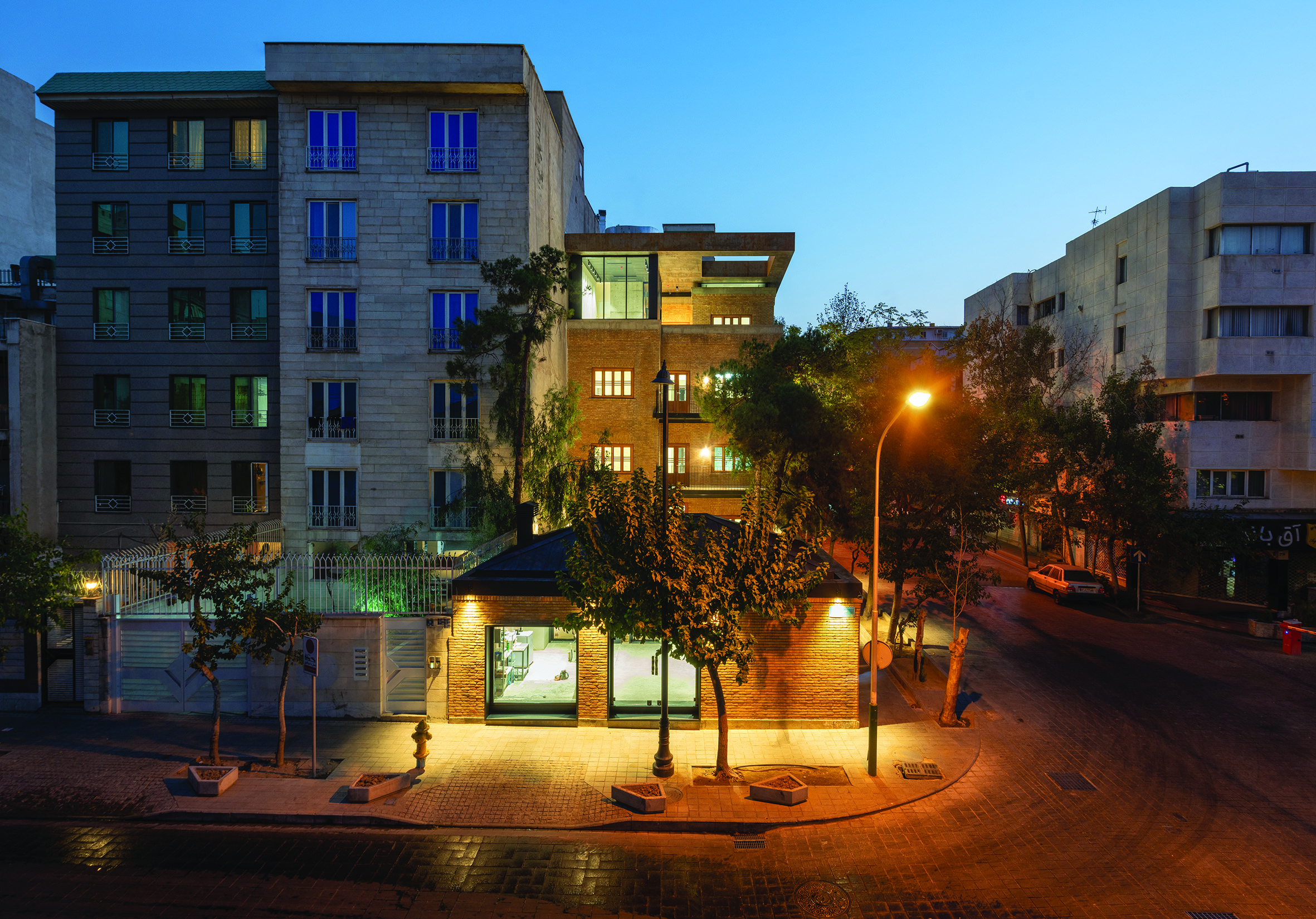
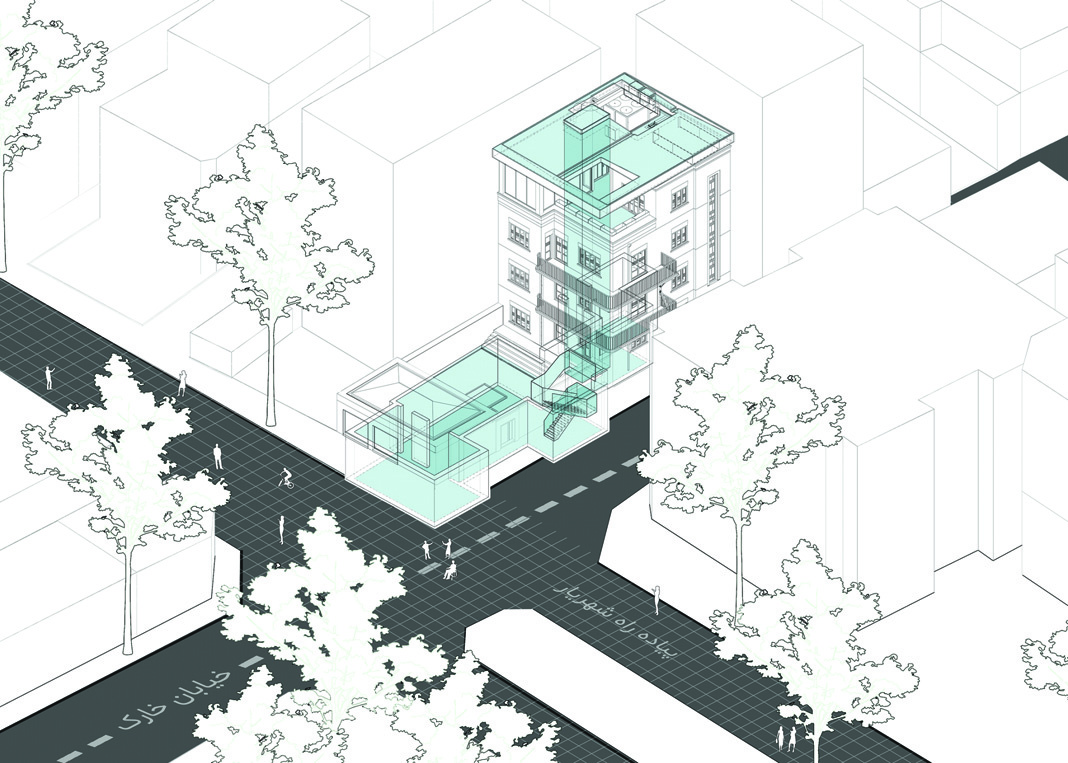
The Khark Multipurpose Center stands on the northern side of Vahdat Hall on Khark Street, District 11 of Tehran. The compound comprises three residential floors in the northern building, a garage in the southern building, and a courtyard between the two — a valuable structure from the second Pahlavi era that was once the home of Alireza Afzalipour, founder of the University of Kerman, and his wife Fakhereh Saba, the celebrated opera singer.
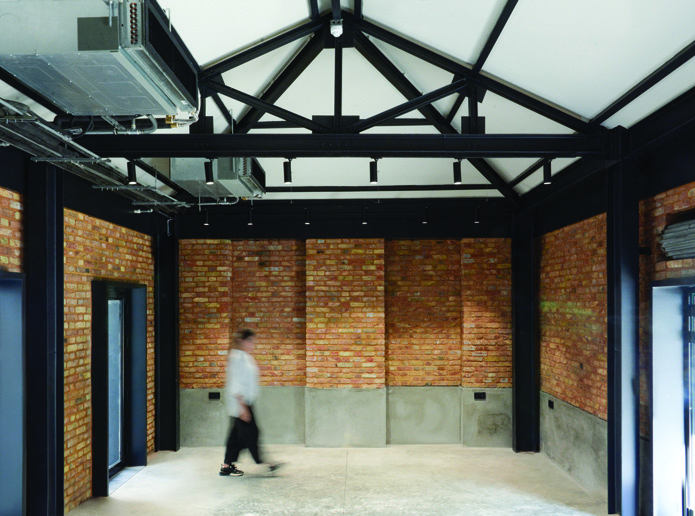
The building’s exceptional position within the Roudaki Cultural Zone prompted the design approach to go beyond mere preservation of the existing structure, connecting the project as an urban node to the broader revitalization plan for the district. In order to establish a visual relationship between the public and the building, and to foster interaction between the structure, the neighborhood, and passersby, the openings of the southern building were transformed into transparent enclosures.
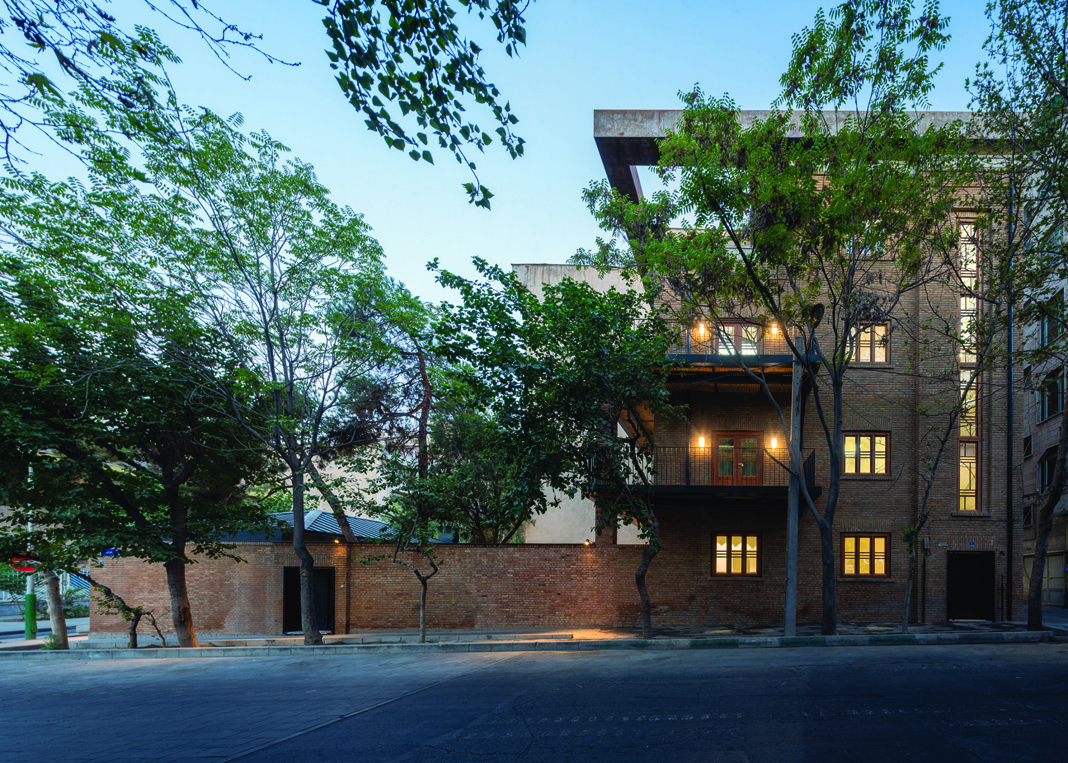
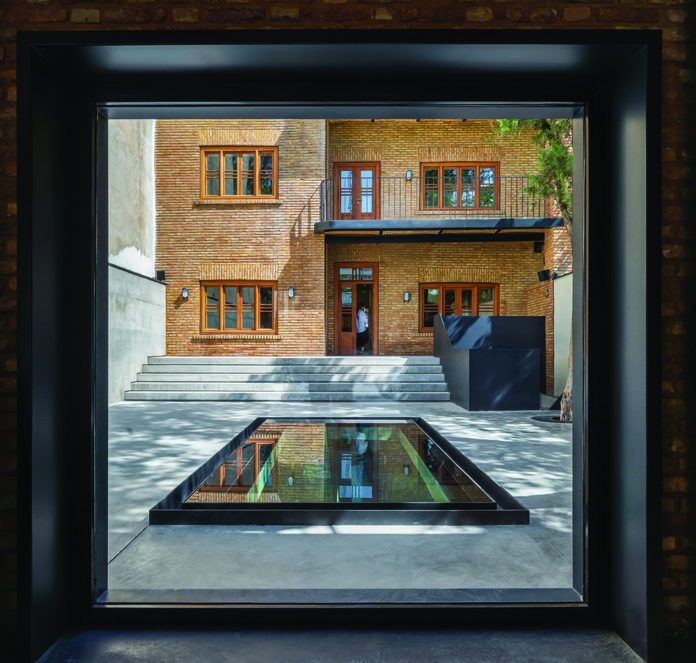
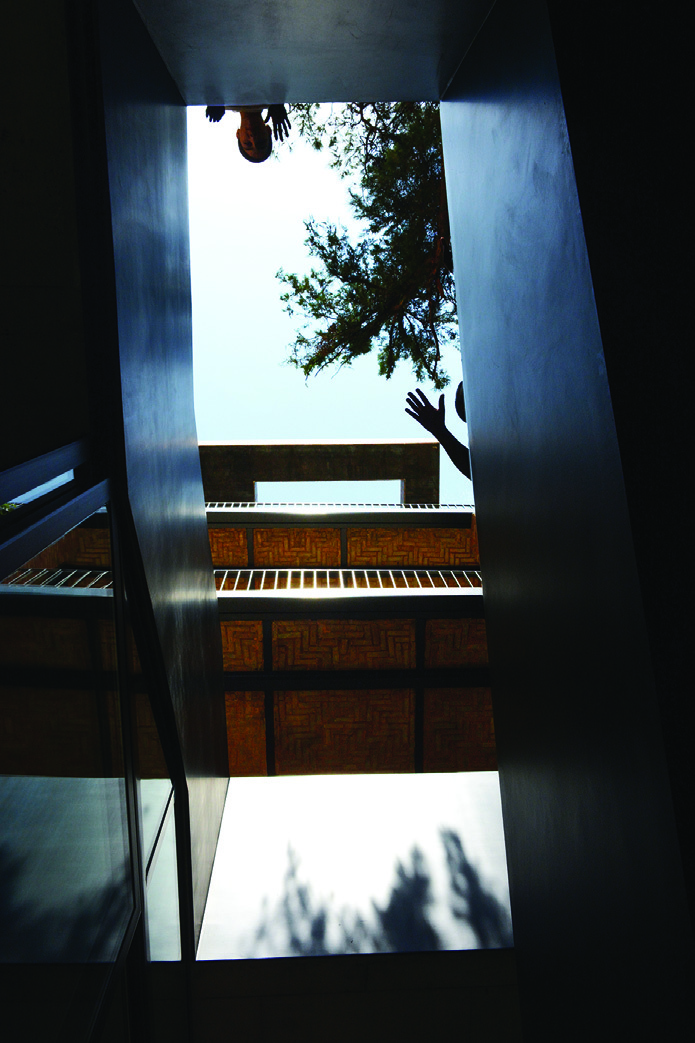
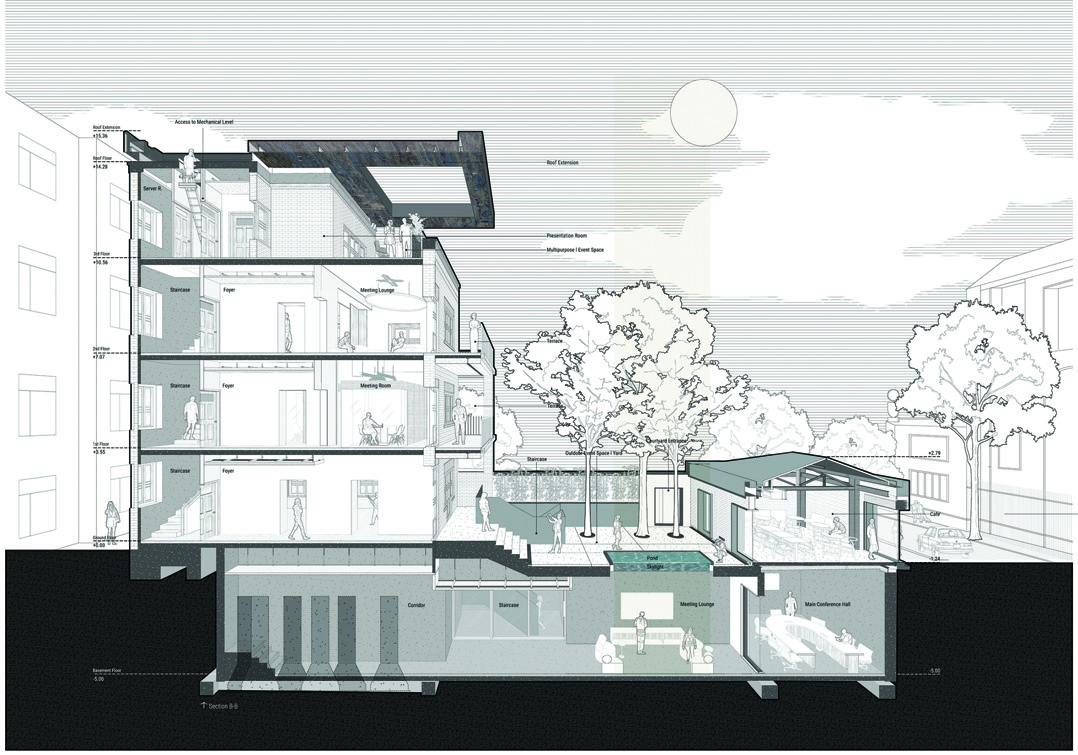
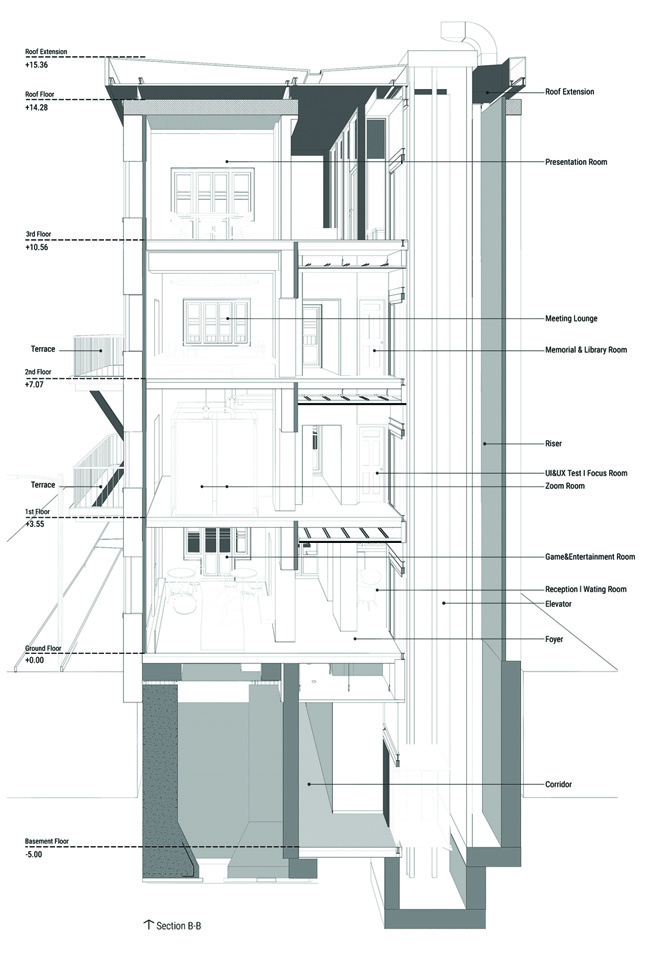
For structural reinforcement, the courtyard floor was excavated to a uniform depth of five meters, and after being leveled with the former basement floor, it was secured with a retaining structure and re-poured. The site of the original pool was reconceived as a void; emphasizing visual connectivity between the project’s different layers and sparking curiosity in the viewer, the pool was executed in glass. The basement space beneath the courtyard connects via a tunnel to the main building’s sub-level and the historic cistern, as well as to the mechanical room and elevator — providing access and circulation control to the main building.
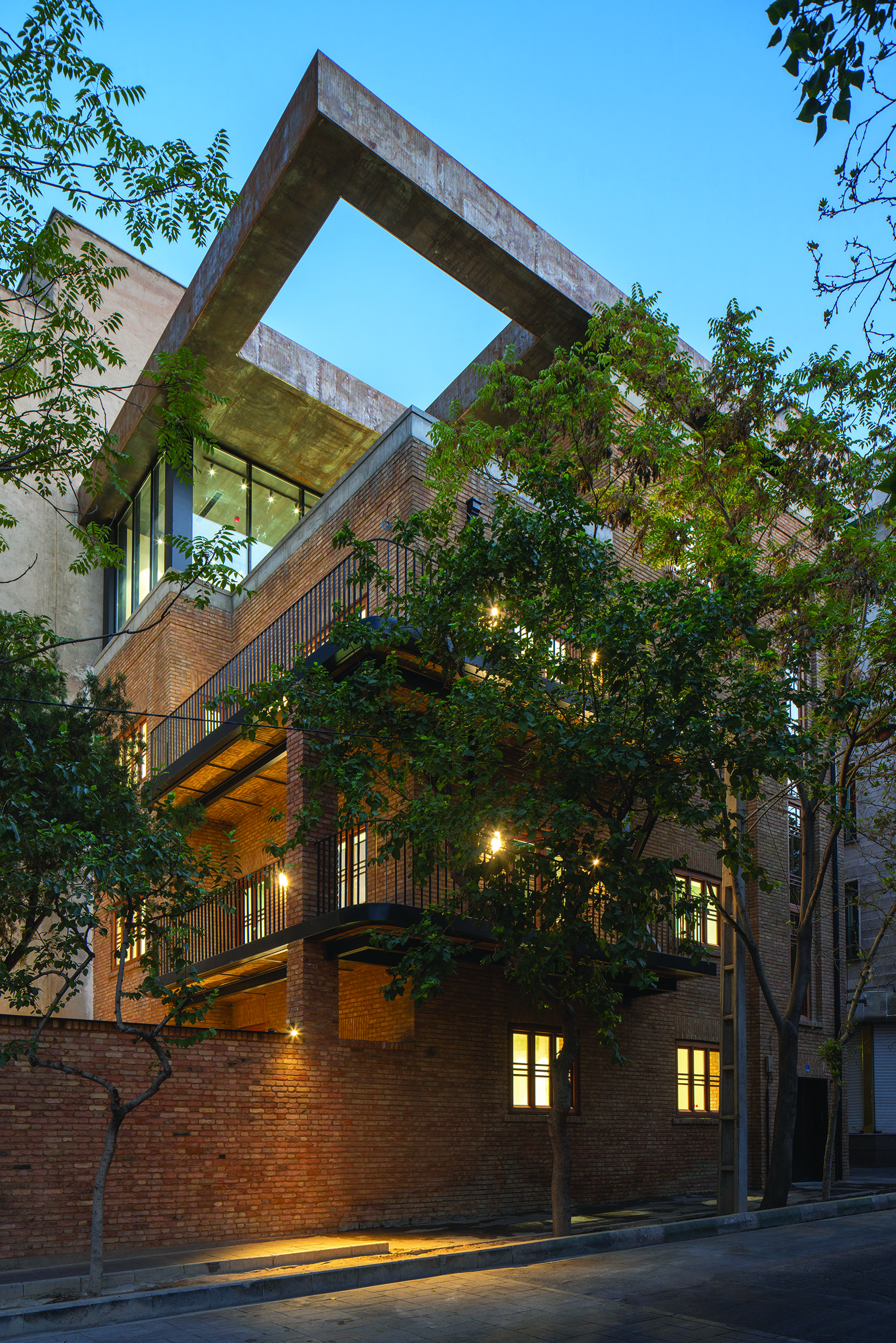
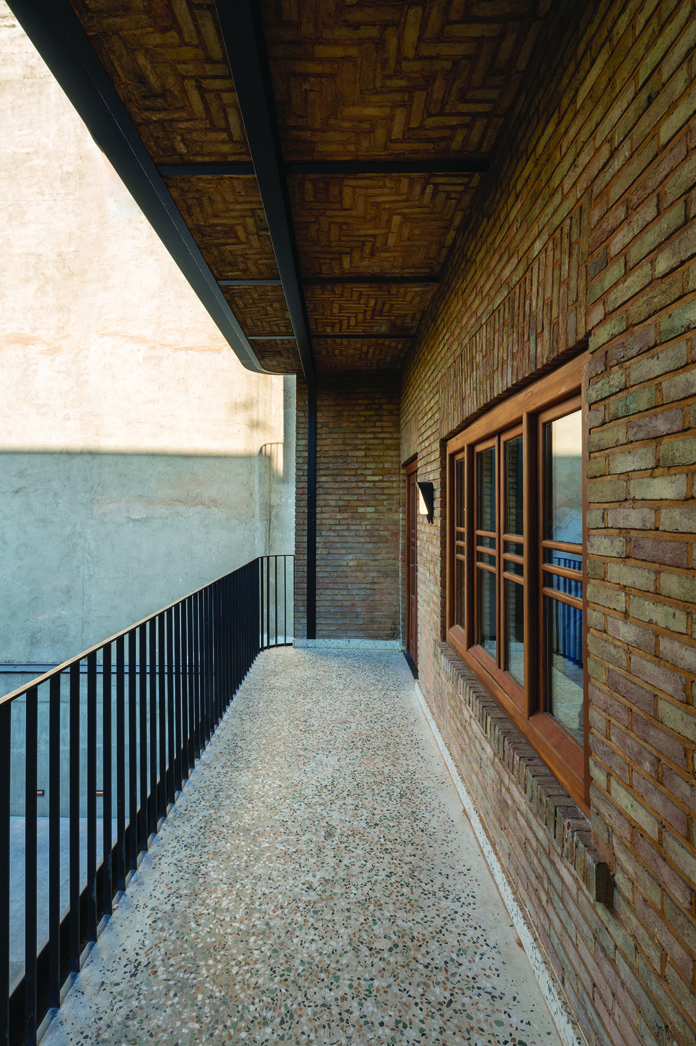
The three-story northern building was preserved, reinforced, and revitalized through the installation of eleven piles driven to a depth of thirteen meters, strip foundations connected to them, rebar ties along the walls to create continuity using the shotcrete method, and a continuous mesh network applied across the floors.
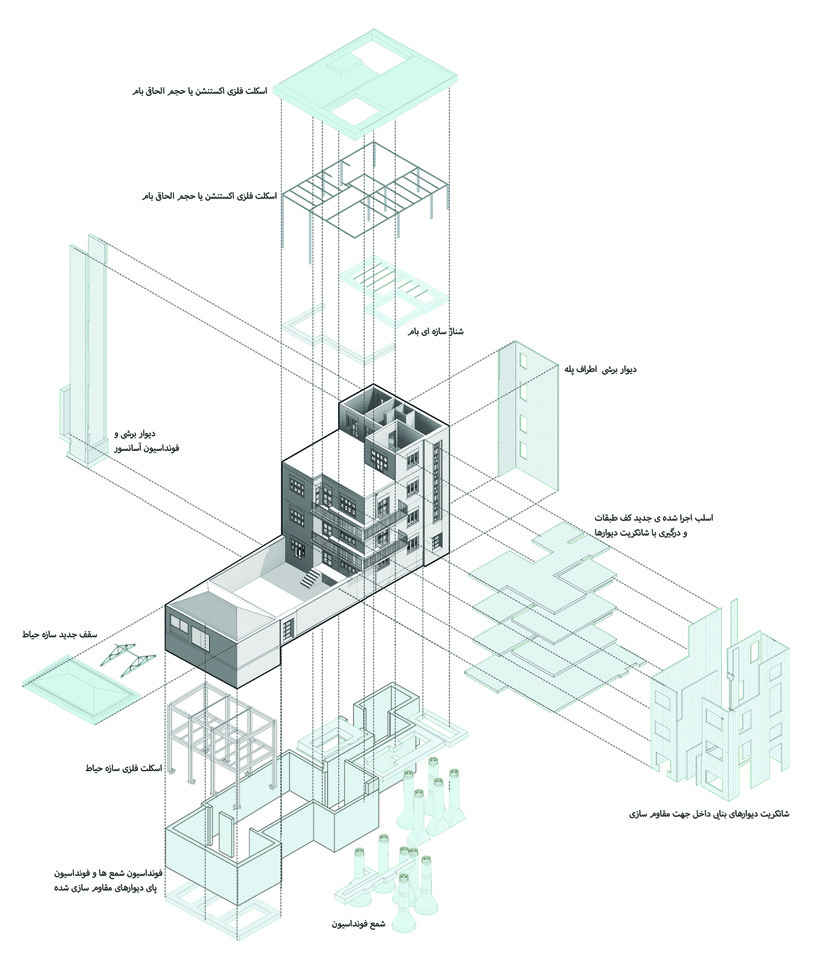
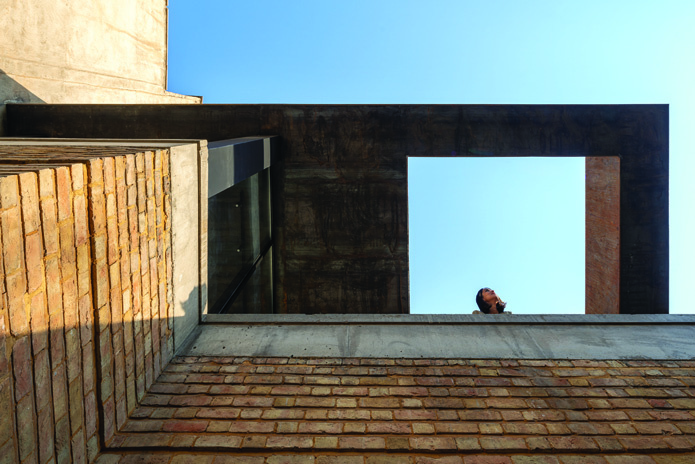
Direct public access to the rooftop from the basement via the elevator — bypassing the private sections entirely — marks the culmination of the visitor’s spatial experience. The extension, added at a deliberate remove from the old building’s roof, serves both visually and functionally as the structure’s guardian and protector.
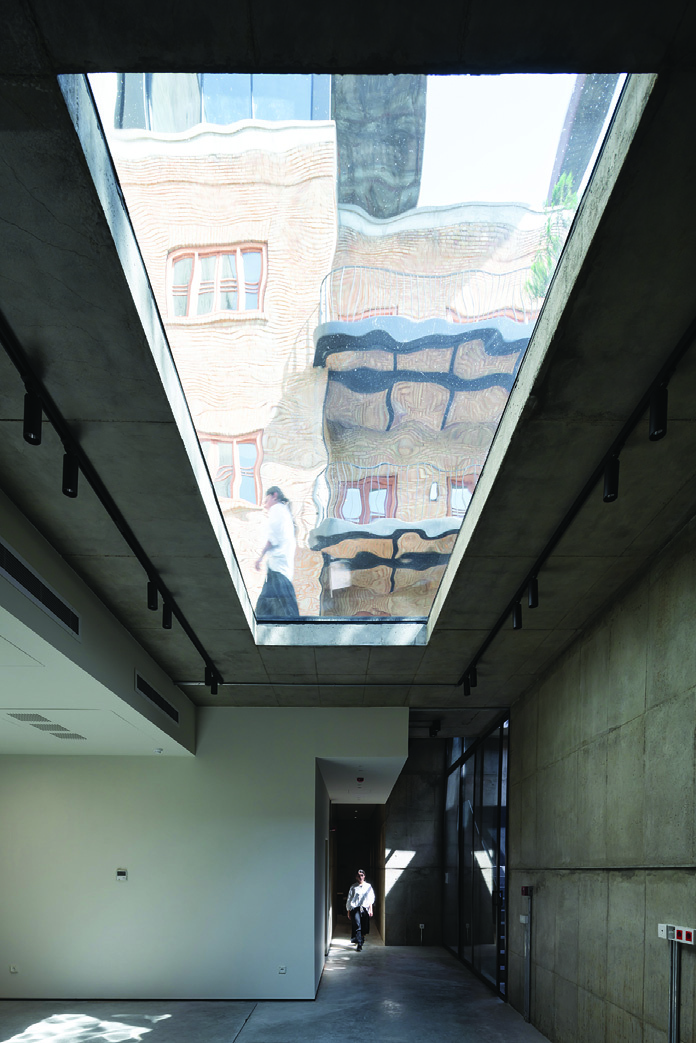
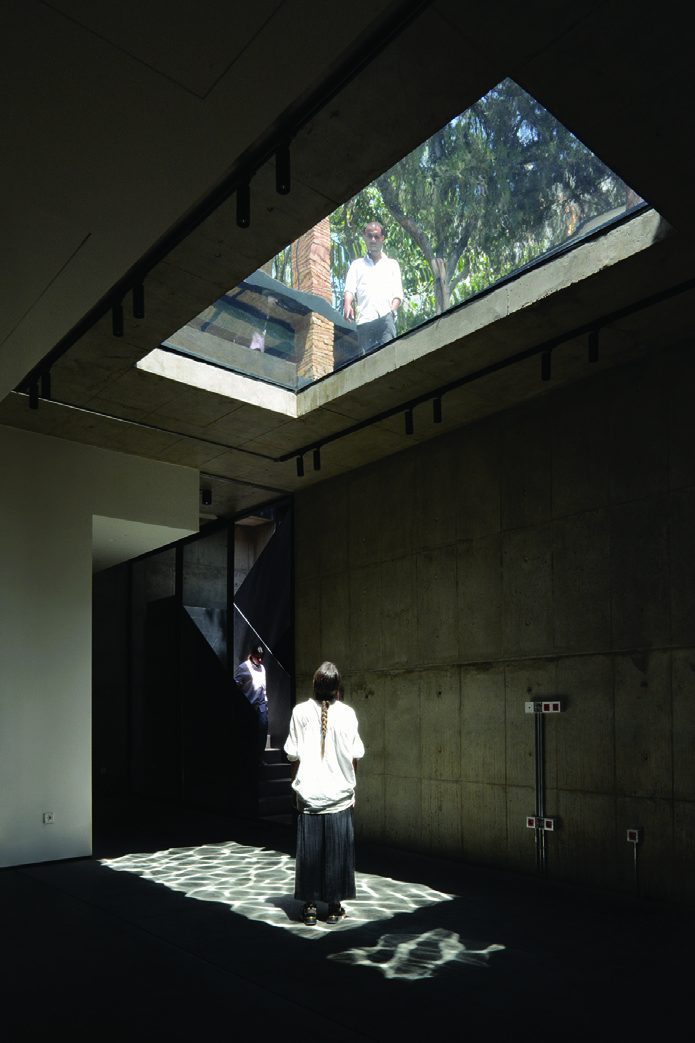
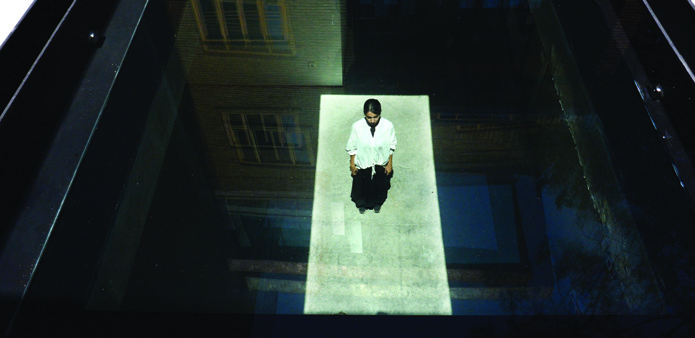
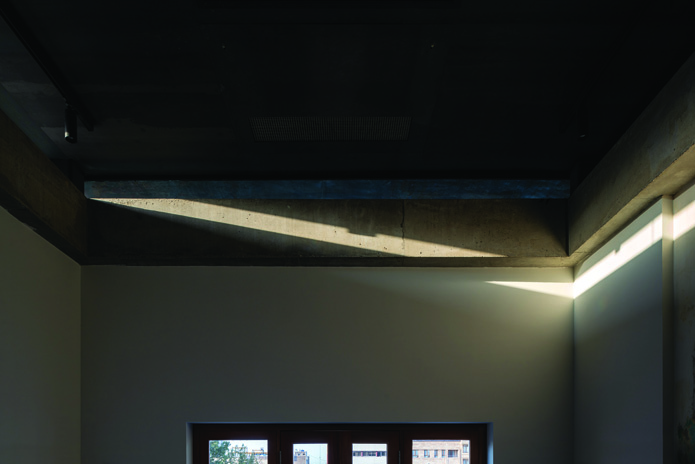
The experience of such a space in a district rich with cultural and historical identity cultivates in the visitor a desire to return and an imagination of what a multitude of similar projects might achieve.
Location: Enghelab Street, intersection of Shahrivar and Khark, No. 12, District 11, Tehran
Client: Private
Design Team: Anousheh Ahmadi, Pantea Parhami, Hooman Nuri Doost, Mina Nabavi, Katayoun Tehrani, Yasaman Hamzeloyian
Construction: Persian Garden Studio, Kamran Naghi, Hamidreza Golpour, Naeemeh Beigi
Supervision: Persian Garden Studio
Structure: Masoud Daryooshi
Electrical: Ashkan Sajadi
Mechanical: Danial Komeilian
Graphic Design: Niloufar Kaveh
Photography: Deed Studio, Niloufar Kaveh
Total Built Area: 1,018 m² · Site Area: 286 m²



