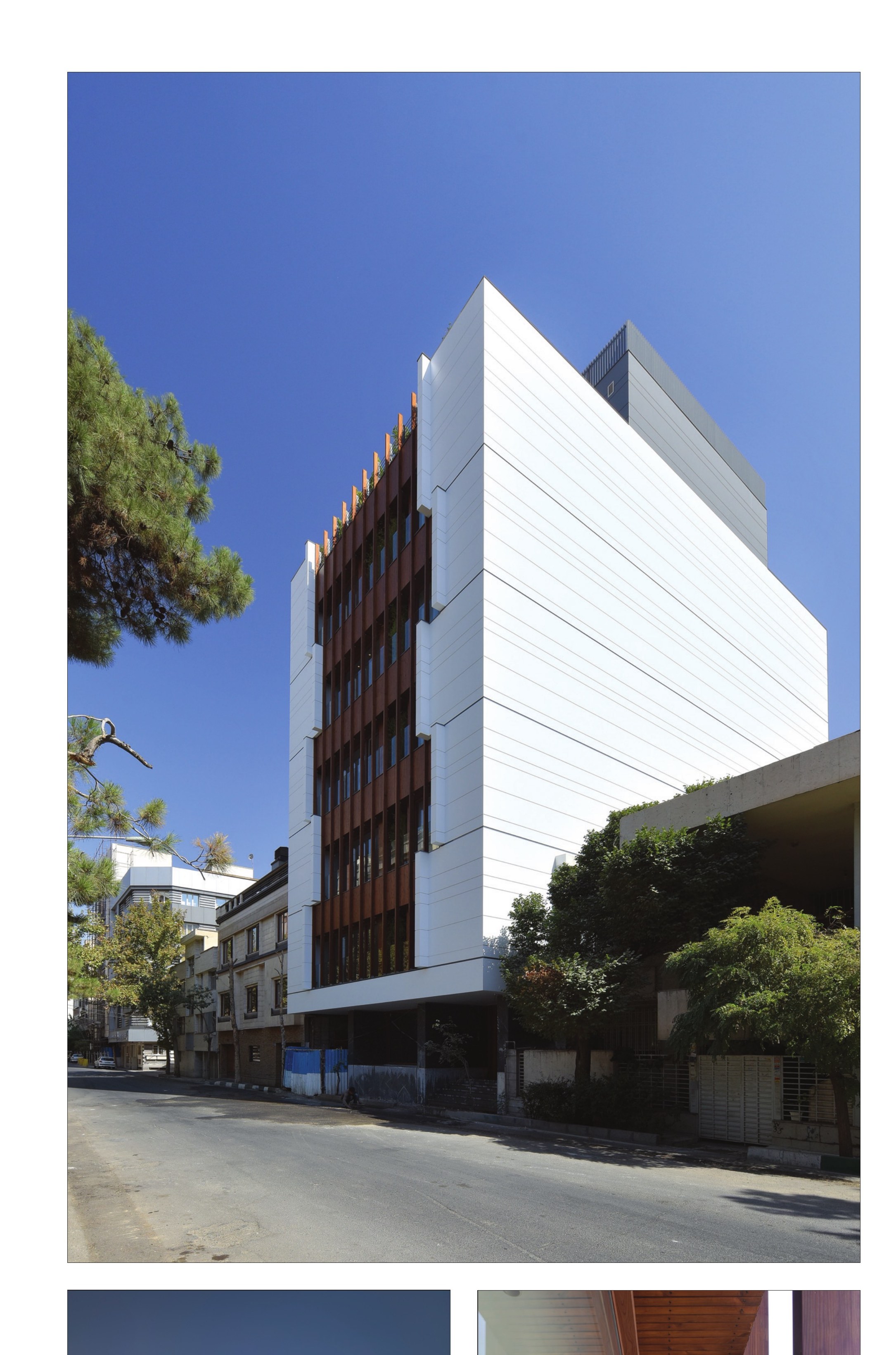
"Box" is perhaps an apt word for the overall structure of so many Tehran buildings. The notorious 60-percent rule has produced countless boxes across the capital, and the work of architects in such projects amounts to box-evasion. The box, in its own nature, lacks the seductive quality needed to sell and to display itself on the market, and so it is subjected to a thousand tricks and transformations.
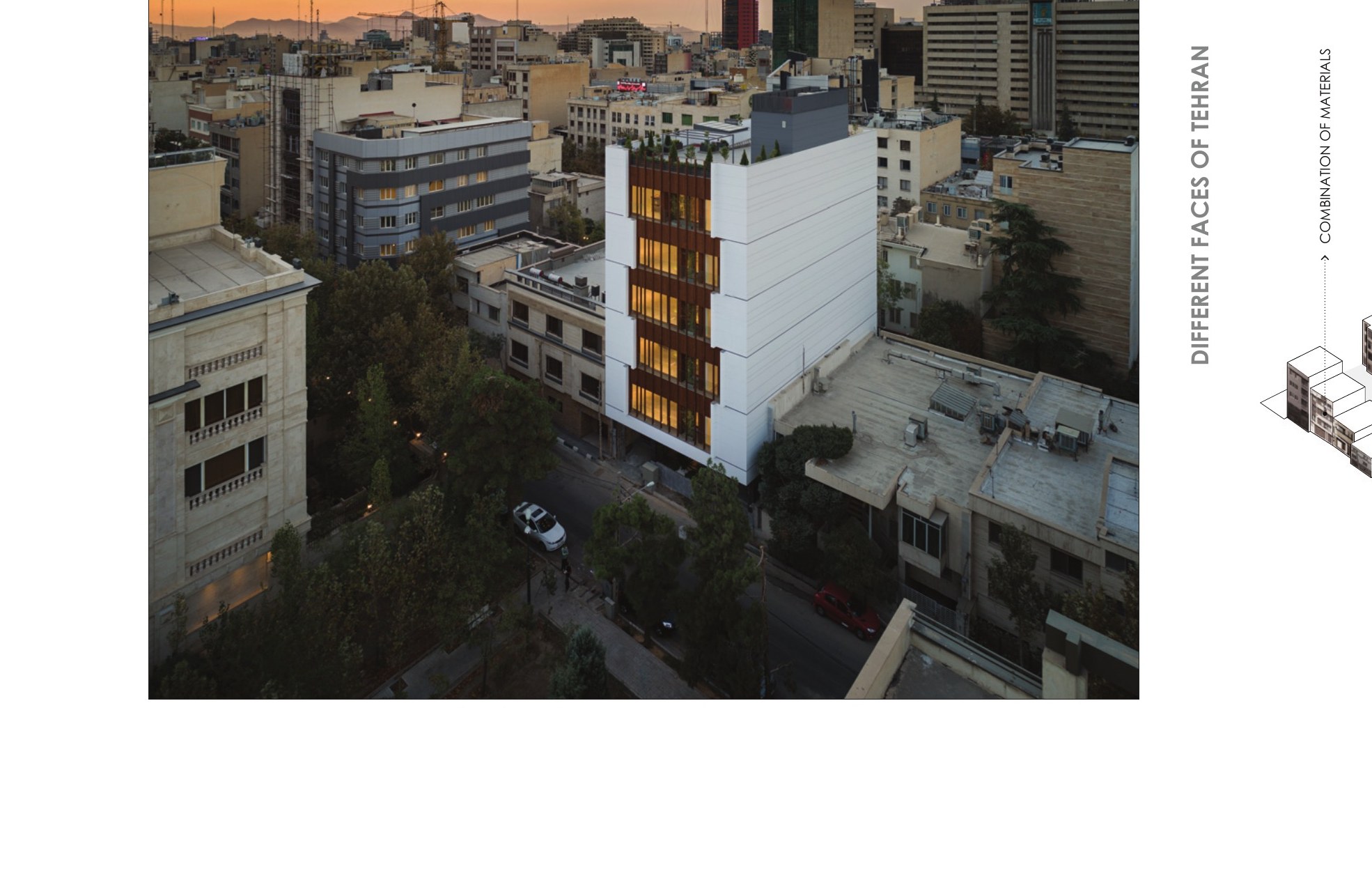
This project is a box that has, in fact, kept its character intact and does not try to escape from it. The strategy aligns with the importance the project gives to its lateral walls, which here play a full part at the scale of the alley and the neighbourhood. The viewer sees a single being, a single body, as the building; the facade no longer dissolves into a secondary–primary partition.
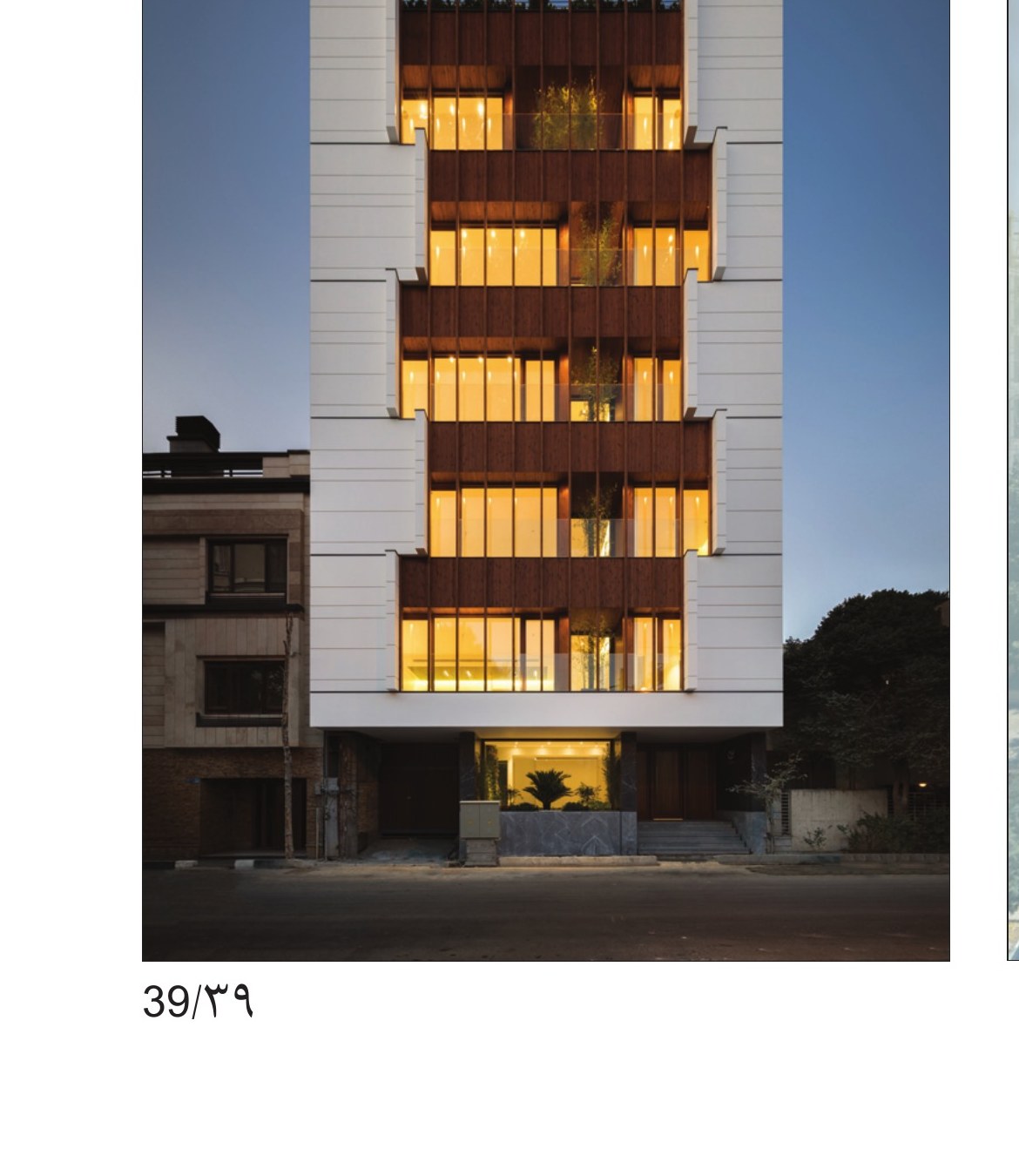
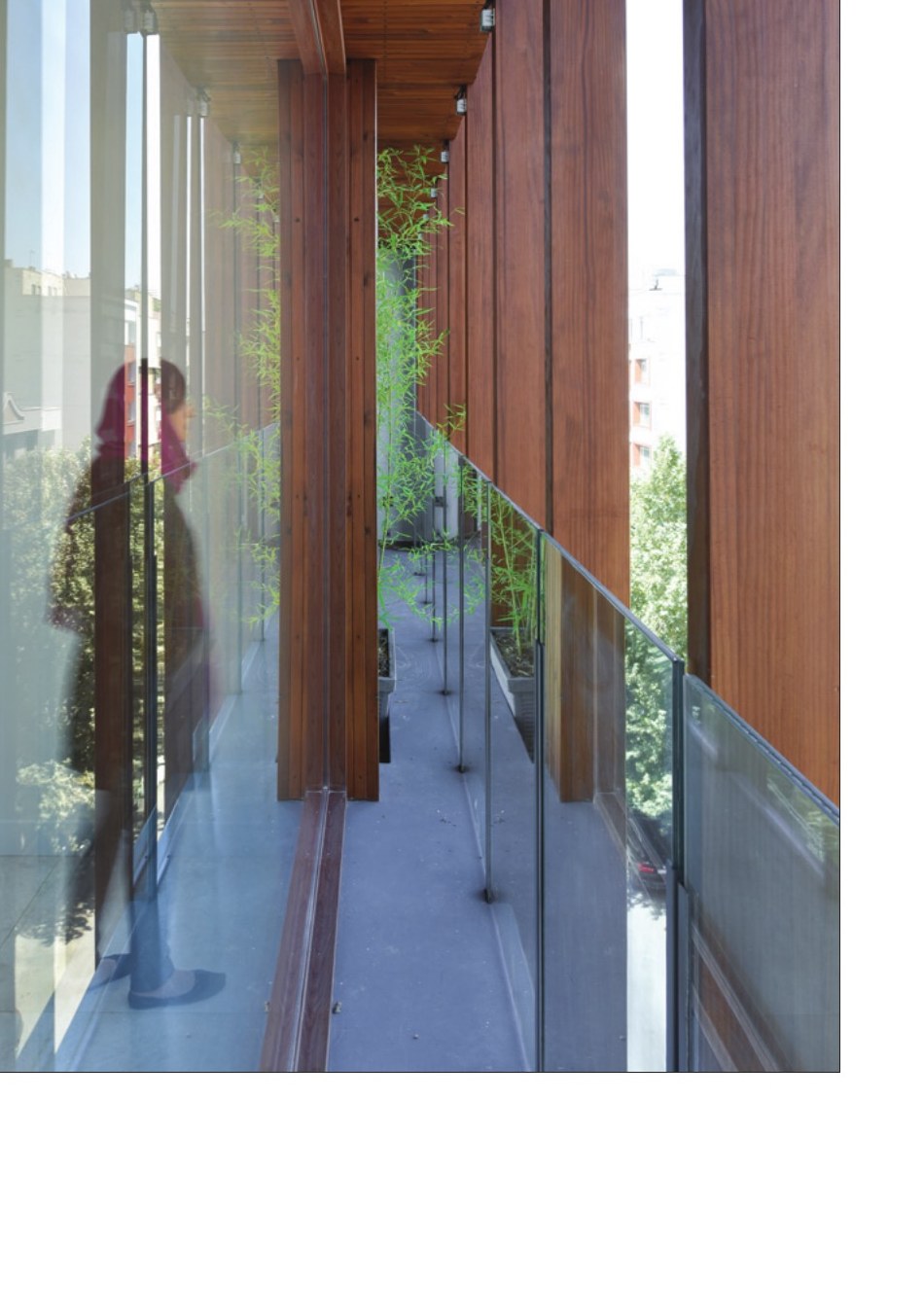
Within the city's chaotic market of buildings — from the journalistic-modern to the grandly classic — No.30 sits in its place, quiet and unassertive. Where it faces the green spaces to the north and needs light and a view, the building opens up with a simple technique: it sees and is seen. That opening cracks the rough skin of the body and shows off its inner parts in a different countenance.
Faithful to its core idea, the facade was built with cement and an exemplary care in execution. Sadly, over the past several decades we have seen short-lived fashions in materials by which one can identify a particular period of construction. No.30, by contrast, is an experiment in concentrating on design and execution; material here is treated as a tool to develop an idea, never as an end in itself.
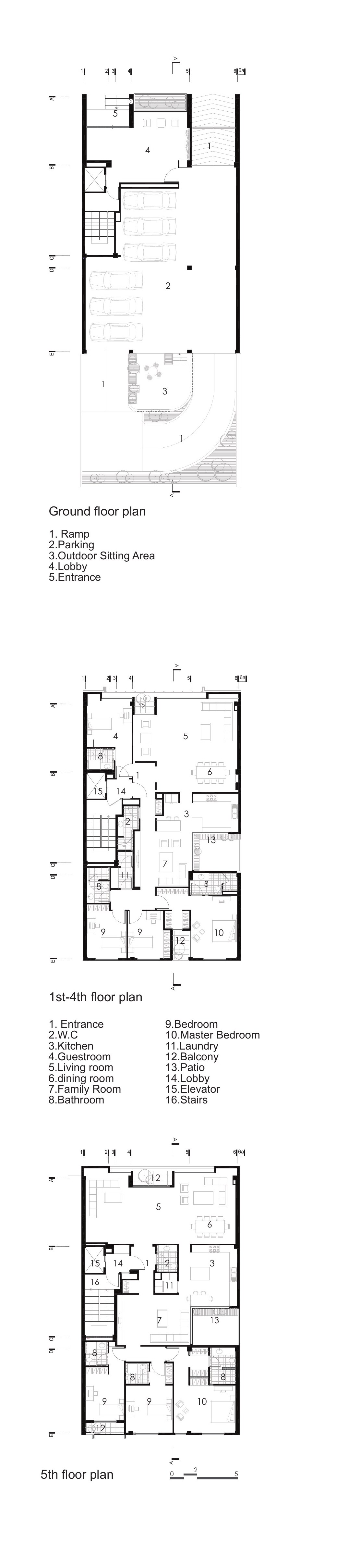
Interior relations and proportions, in the design of a house, ultimately shape the quality of human lives. The separation of public and private realms, placement, ratios, and the definitions of spaces — and many similar matters — turn a house into a space worth inhabiting.
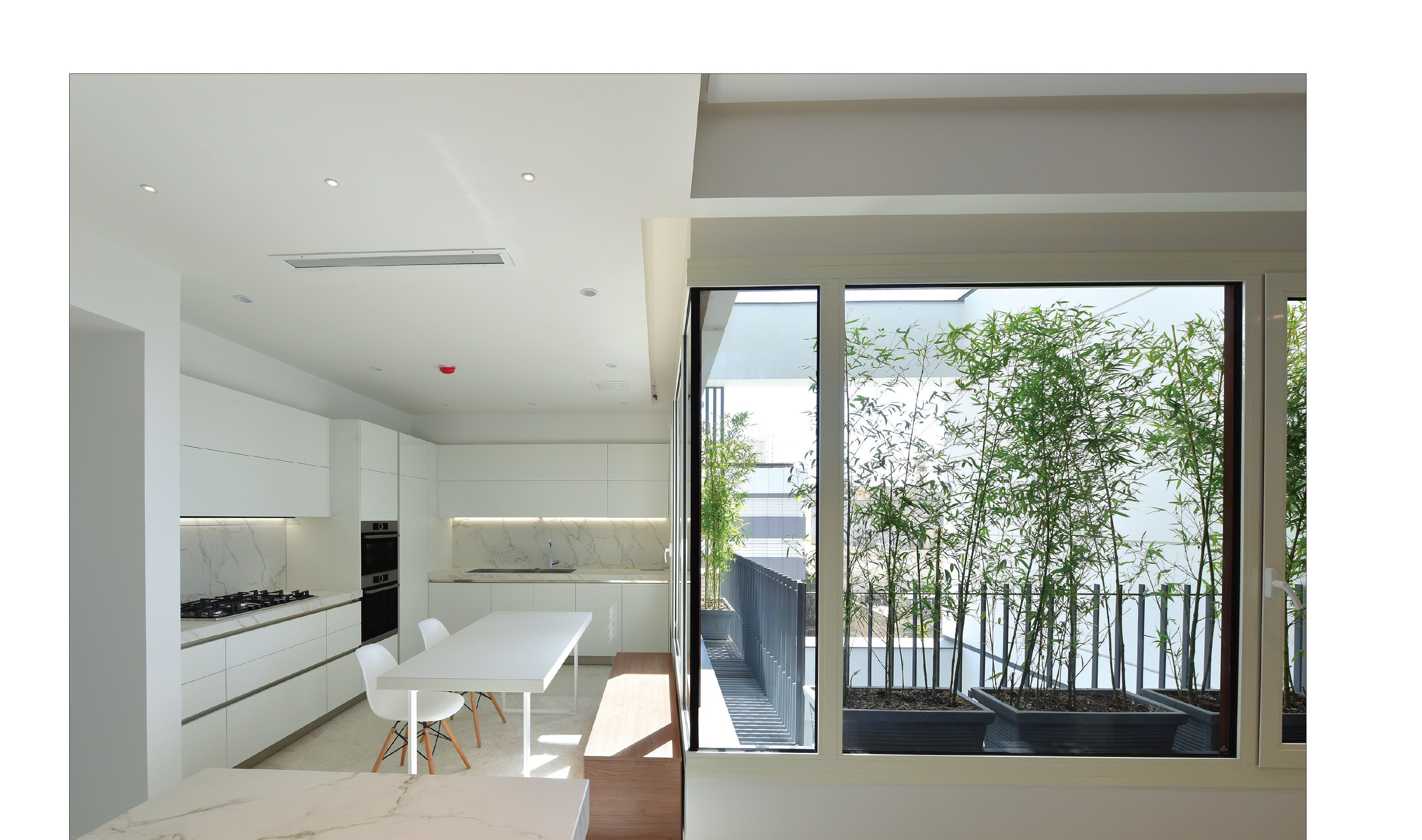
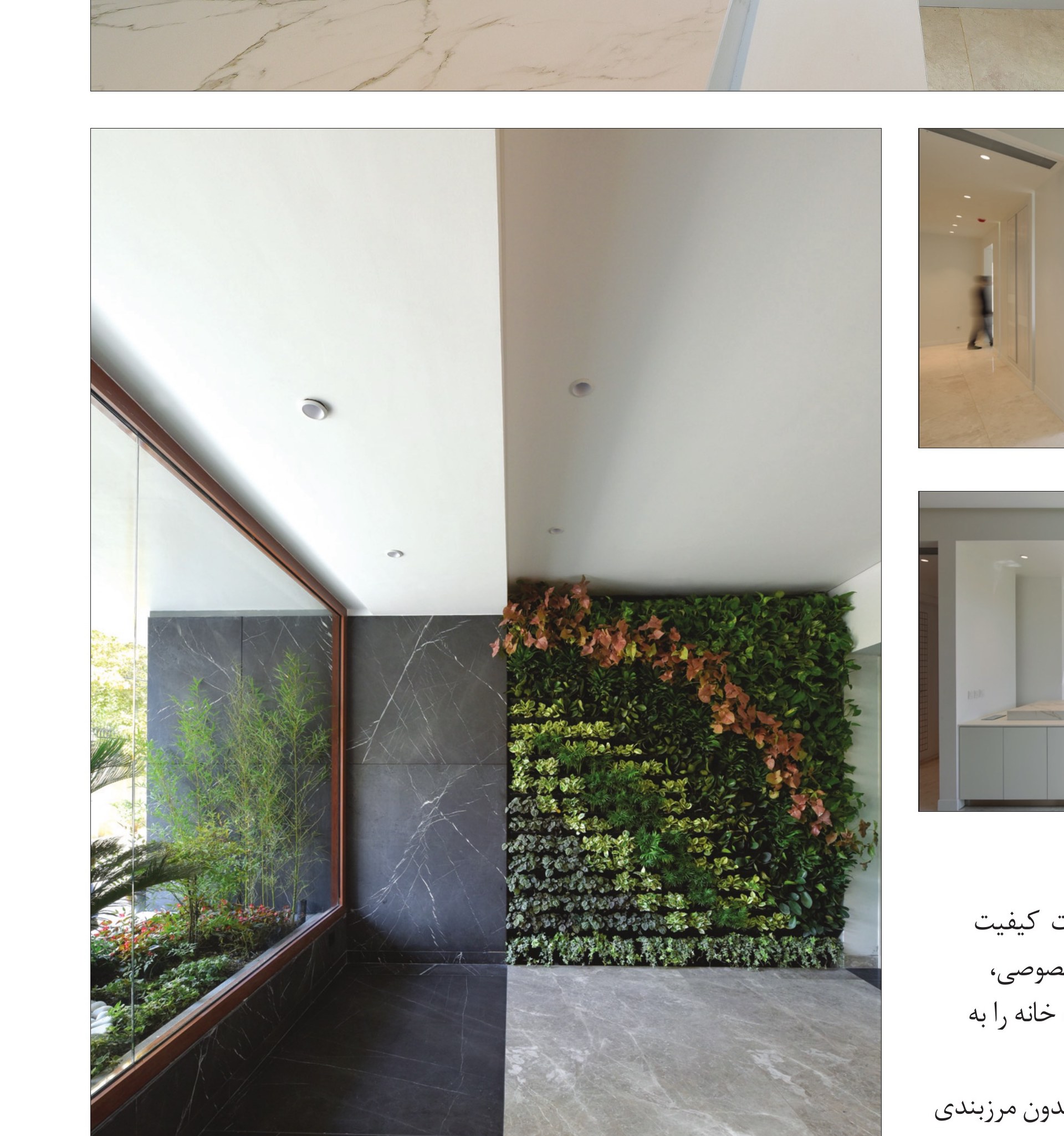
The kitchen and the private living room — Siamese twins, a composition without rigid demarcation — are the heart of each residential unit, an active part of the house that demands both quality and security. Alongside these two important parts, the patio not only brings in light but, through a few added details, adds quality to the spaces and renders them more unified.