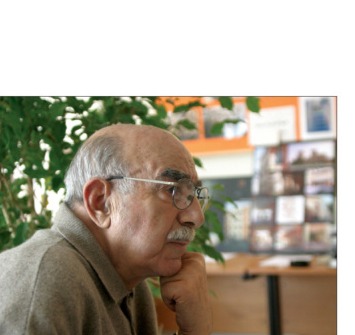
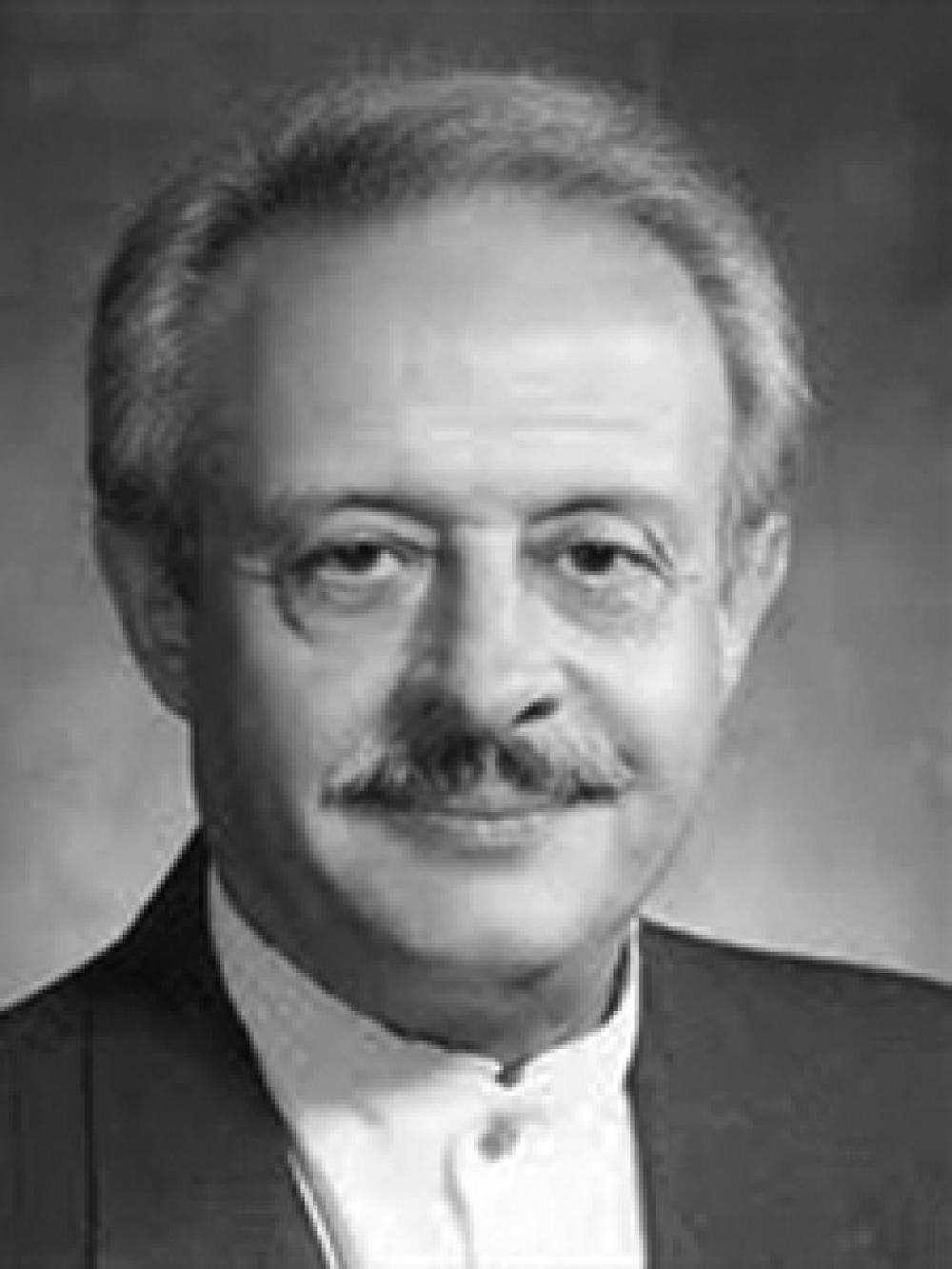
Heshmatollah MonsefHeshmatollah Monsef was one of Iran's foremost building services engineers and a foundational figure in the codification of national construction standards. He is best known as the principal author and chair of the specialist committee responsible for drafting the first edition of Chapter 14 (Mechanical Installations) of Iran's National Building Regulations, published in 2001 under the Ministry of Roads and Urban Development. He also led the committee through the first revision of the same chapter and began supervising the third edition in 2014, contributing guidance until his passing.
A contributor to Memar Magazine, Monsef wrote on the problems of building services in Iranian construction — analyzing the gap between design intent and execution reality for large public buildings, including issues of contractor weakness, market disorganisation, and non-compliance with standards. His 2002 article "Building Services Difficulties in Construction and Design" (Memar 19) remains a pointed critique of systemic failures in mechanical installation practice. He also contributed a technical article on HVAC systems in places of assembly (Memar 27). In 2004, Monsef served as a juror for the 4th Grand Memar Award — the edition that introduced a Special Prize for Mechanical Design — bringing technical expertise in building services to a jury otherwise composed primarily of architects.
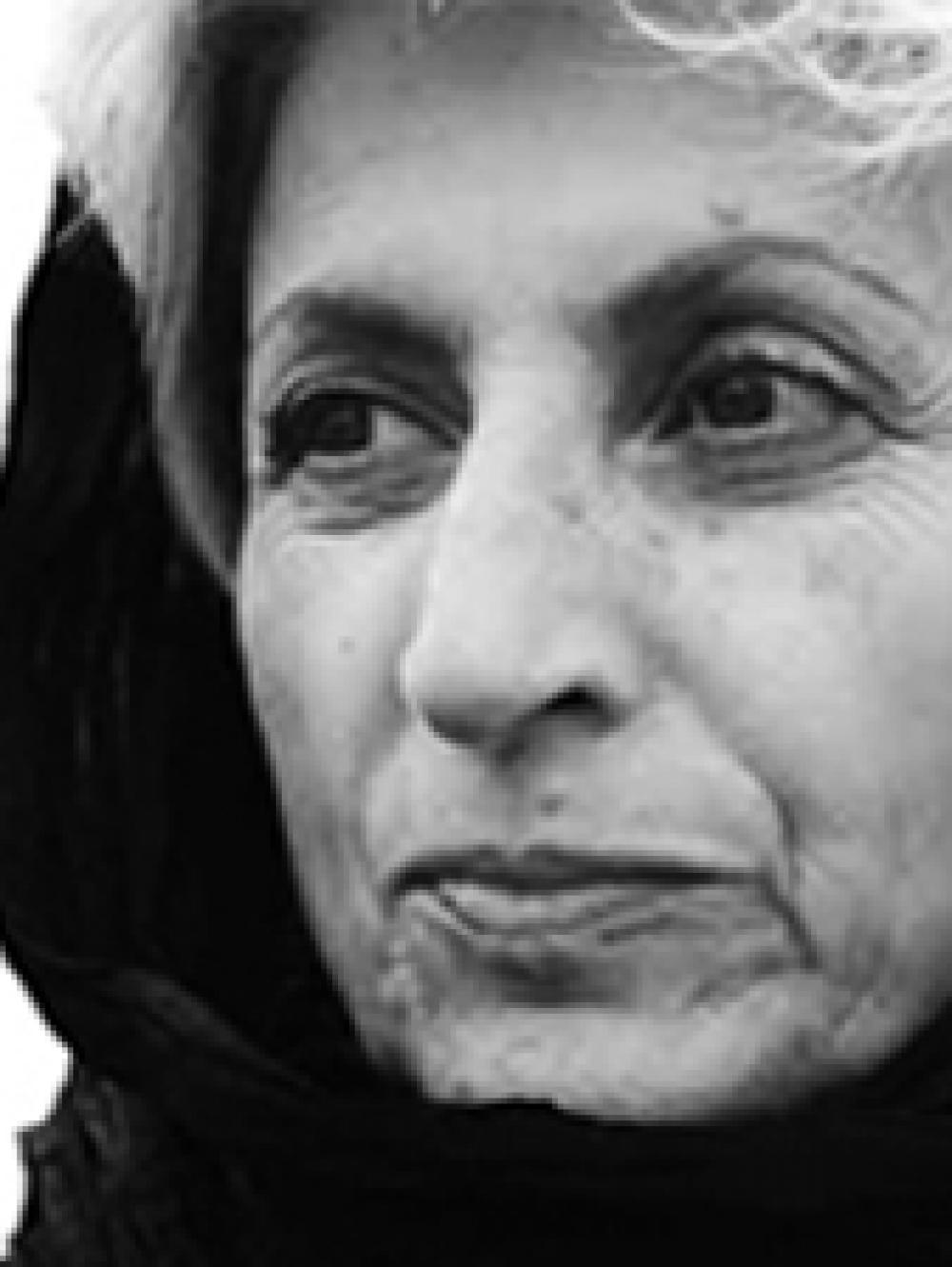
Homa FarjadiHoma Farjadi is an Iranian-British architect, educator, and principal of Farjadi Architects in London. She holds a Master of Architecture with distinction from Tehran University (1977), a Graduate Diploma from the Architectural Association in London (1979), and completed postgraduate research at the University of Essex (1981). Her academic career spans four decades: she served as a unit master at the AA (1980–1987), taught at Harvard GSD (1989–1996), and held visiting positions at Yale, Edinburgh, Columbia, and the University of Virginia. Since 2001, she has been Professor of Practice at the University of Pennsylvania Weitzman School of Design, where she directs the London study abroad program.
Farjadi practiced jointly with Mohsen Mostafavi until 1994, then established her independent studio, Farjadi Architects. Her competition-winning design for the Hackney Empire Theatre renovation (1997) exemplifies her approach to layered spatial narratives. Her publications include Delayed Space (Princeton Architectural Press, 1994), Logique Visuelle (2001), and Sense Formations (Actar, 2009).
She served on the master jury of the 2007 Aga Khan Award for Architecture alongside Homi K. Bhabha, Okwui Enwezor, and Rahul Mehrotra, and was a juror for the 4th Memar Award in Iran (2004). Her work bridges theory and practice, with a sustained focus on the phenomenology of space, displaced identities, and the politics of form.