Retour au programme

2006

Memar Award
Édition 67 résultats19 novembre 2006

Residential Buildings

Membres du jury

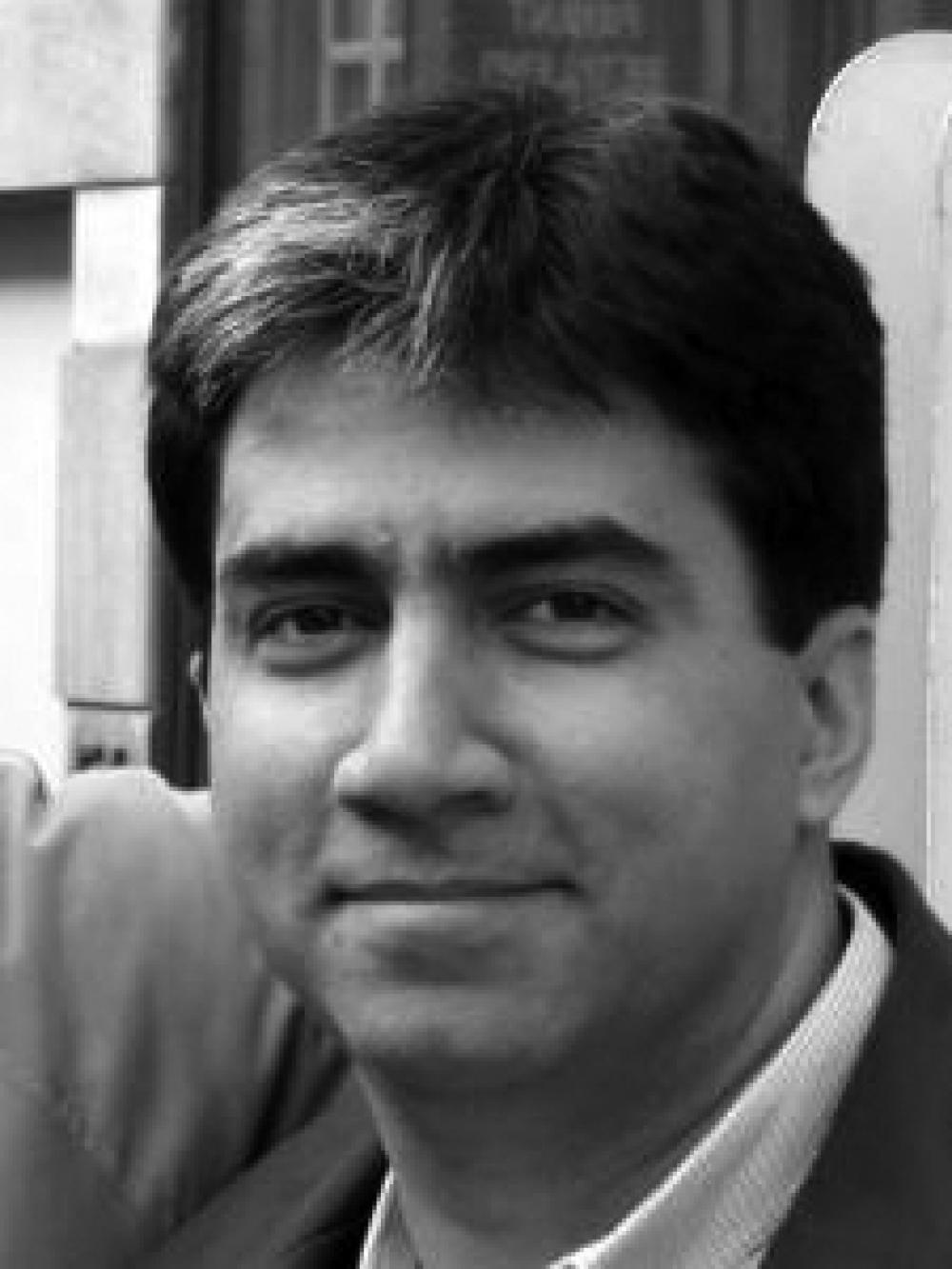
Bahram Shokouhian
Bahram Shokouhianبهرام شکوهیان

Bahram Shokouhian was born in Paris 1969, received his M.Arch degree from the Faculty of Fine Arts, Tehran University. He has been the principal architect of Padiav Parth Architectural Group since 2000. Apart from having jury commended

Faramarz Sharifi
Faramarz Sharifiفرامرز شریفی

1937 - Born in Tehran 1956 - Entered Faculty of Fine Arts, University of Tehran 1964 - Graduated from university 1969 to 1994 - Worked as managing director of "Artiman Consultants, Architects and Planners Co." since 1994 - Works as an independent architect . PROJECT LIST Kamraniyeh residential complex Dezashib House Alef office for an Architect

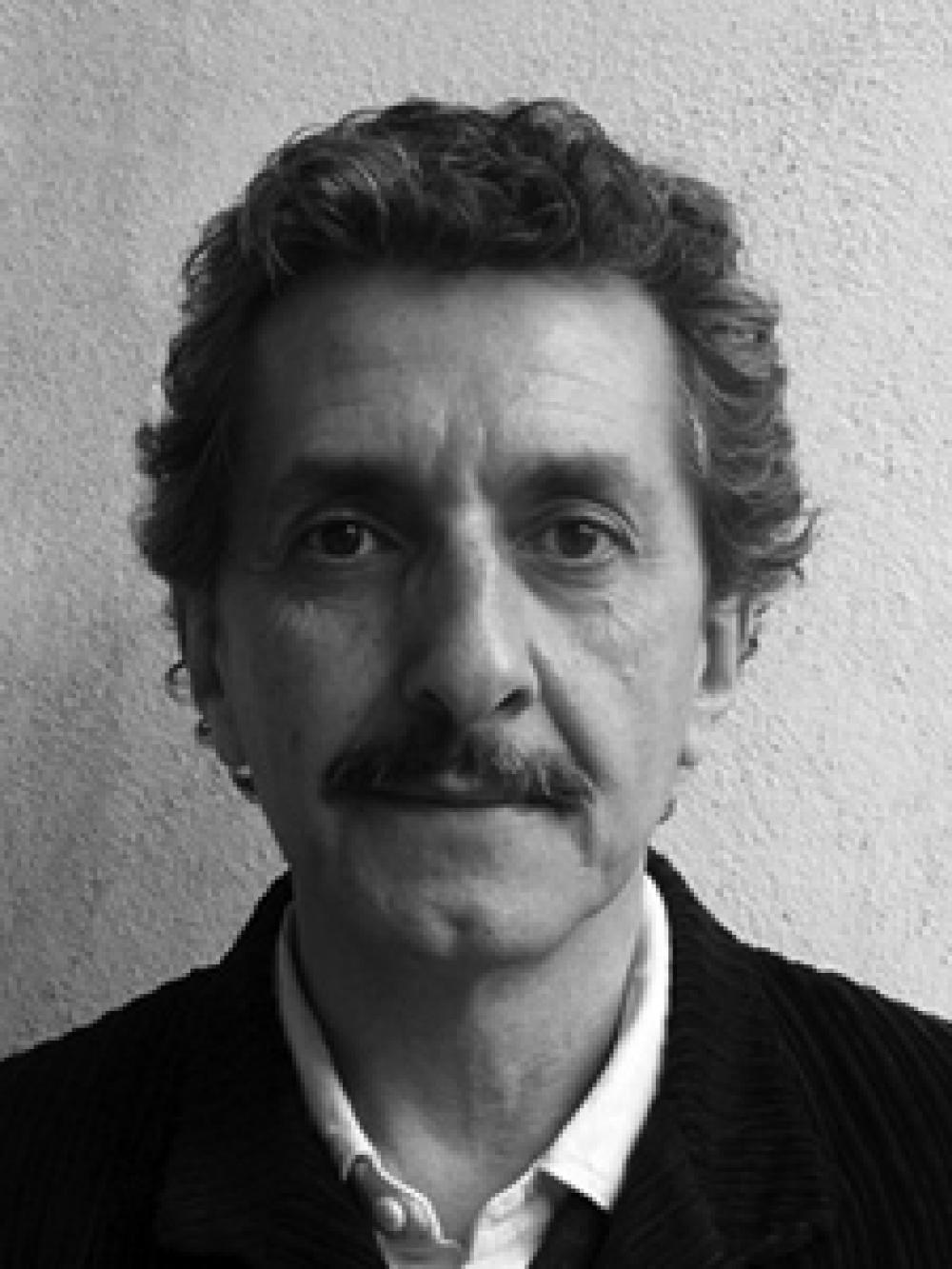
Firouz Firouz
Firouz Firouzفیروز فیروز

Firouz Firouz was born in a garden house in Tehran in 1954. He finished his architecture studies at Pratt University in New York in 1984, where he worked in close collaboration with Victoria Georgini for two years. Later in his professional pursuits he worked on adobe architecture with Hassan Fathi in Egypt for eight months between 1980 and 1981. In 1985 he started a partnership with Nasser Ahari. They established their design office in New York which was active until 1990. Ahari and Firouz Architecture Office carried out several administrative, commercial and residential

Hossein Sheikh Zeineddin
Hossein Sheikh Zeineddinحسین شیخ زین‌الدین

Hossein Sheikh Zeineddin, the managing director of Bavand Consultant, received his Master in Architecture from the School of Fine Arts of Tehran University, in 1967. He joined Bavand in 1974, and became a member of Bavand's Board of Directors in 1982. Throughout his design career at Bavand, he has been responsible for many award winning

Negar Hakim
Negar Hakimنگار حکیم

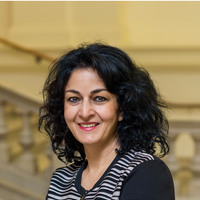
Negar Hakim (born 1971, Isfahan) is an Iranian-Austrian art historian, architecture critic, and academic specializing in Islamic and contemporary Iranian architecture. She studied art history at the University of Vienna, earning her Mag. Phil. in 2002 with doctoral studies focused on contemporary Iranian architecture. She is currently a University Assistant (Postdoctoral Researcher) at TU Wien's Department of Art History, Building Research and Historic Preservation (Kunstgeschichte, Bauforschung und Denkmalpflege), where her research centers on Islamic architecture, modern mosque design, and the interplay between tradition and modernity in Iranian built environments. Hakim has served on the editorial board of Memar Magazine since 2000 and co-edits several other art and architecture publications in the Middle East. She provides intercultural consulting in art and architecture between Europe and the Islamic world, organizes transregional workshops, seminars, and study trips, and has served as a jury member for architectural competitions including the 6th Memar Award (2006). Her major publications include "Contemporary Iranian Architects 1: New Space, Movement and Experience" (IVA-ICRA, 2018), which presents fourteen of Iran's most significant architectural studios across 360 pages, and the exhibition catalogue "Tradition und Transformation: Moscheen im Wandel" (2019), co-authored with Marina Döring-Williams, analyzing 24 mosques from four continents.


À propos de cette édition

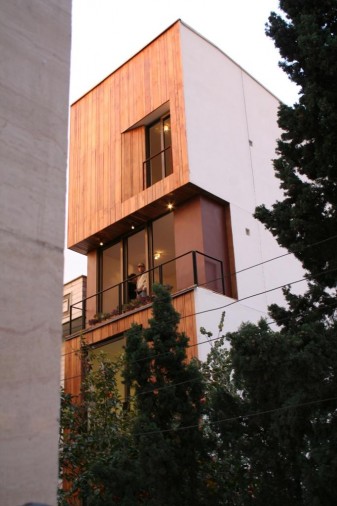
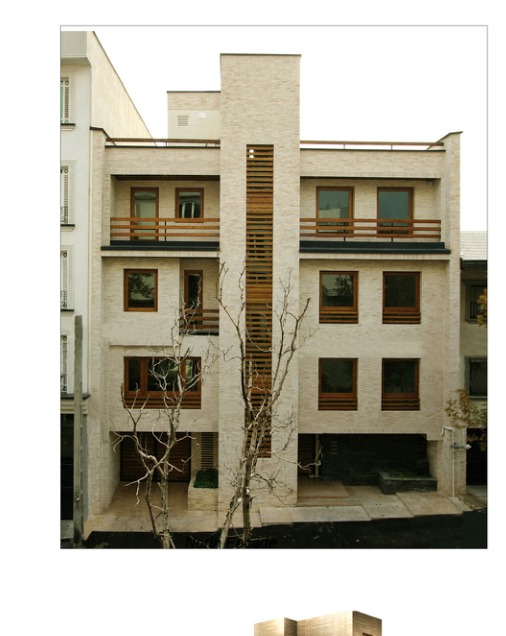
The sixth Memar Award for Residential Buildings was announced on November 19, 2006. The award's theme alternates annually between public and private buildings, and this year focused on residential projects evaluated in three size categories: individual dwellings and small apartments, medium-sized apartment buildings, and large residential complexes. Of the 74 submissions, two were rejected due to insufficient documentation. The General Advisory Committee consisted of Ahmad Azimi Bolourian, Mohsen Mirmeydari, Iraj Kalantari, Kamran Shahriar, and Kamran Afshar Naderi. An increase in provincial participation was noted compared to previous years. After three eliminative and two elective rounds, the jury selected 20 works: 9 in the individual/small category, 6 in medium-sized apartments, and 5 in large complexes. One winner from each of the first two groups received 50 million Rials, while two additional projects—one large complex and one renovation—received honorary mentions of 30 and 20 million Rials respectively.

Statistiques

74Soumissions
30Demi-finalistes
20Finalistes
7Lauréats
Processus de jugement

The jury conducted three eliminative rounds followed by two elective rounds. In the eliminative rounds, each juror independently voted to eliminate projects, and any project receiving a majority vote was removed. In the elective rounds, jurors scored remaining projects, with the jury given freedom to define the proportion of prize allocation. Projects were evaluated in three separate groups based on scale. The jury particularly valued attention to local architectural identity, innovative use of materials, quality of spatial planning, and harmony between building and context.