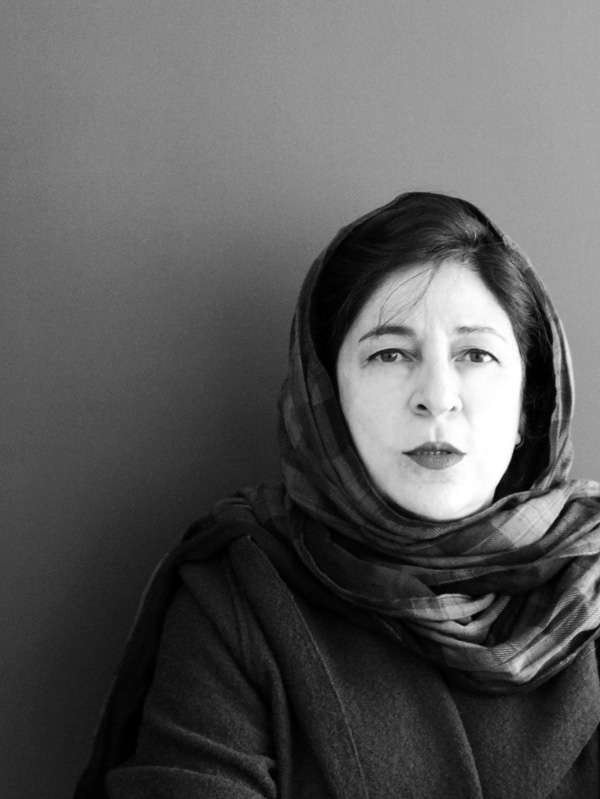
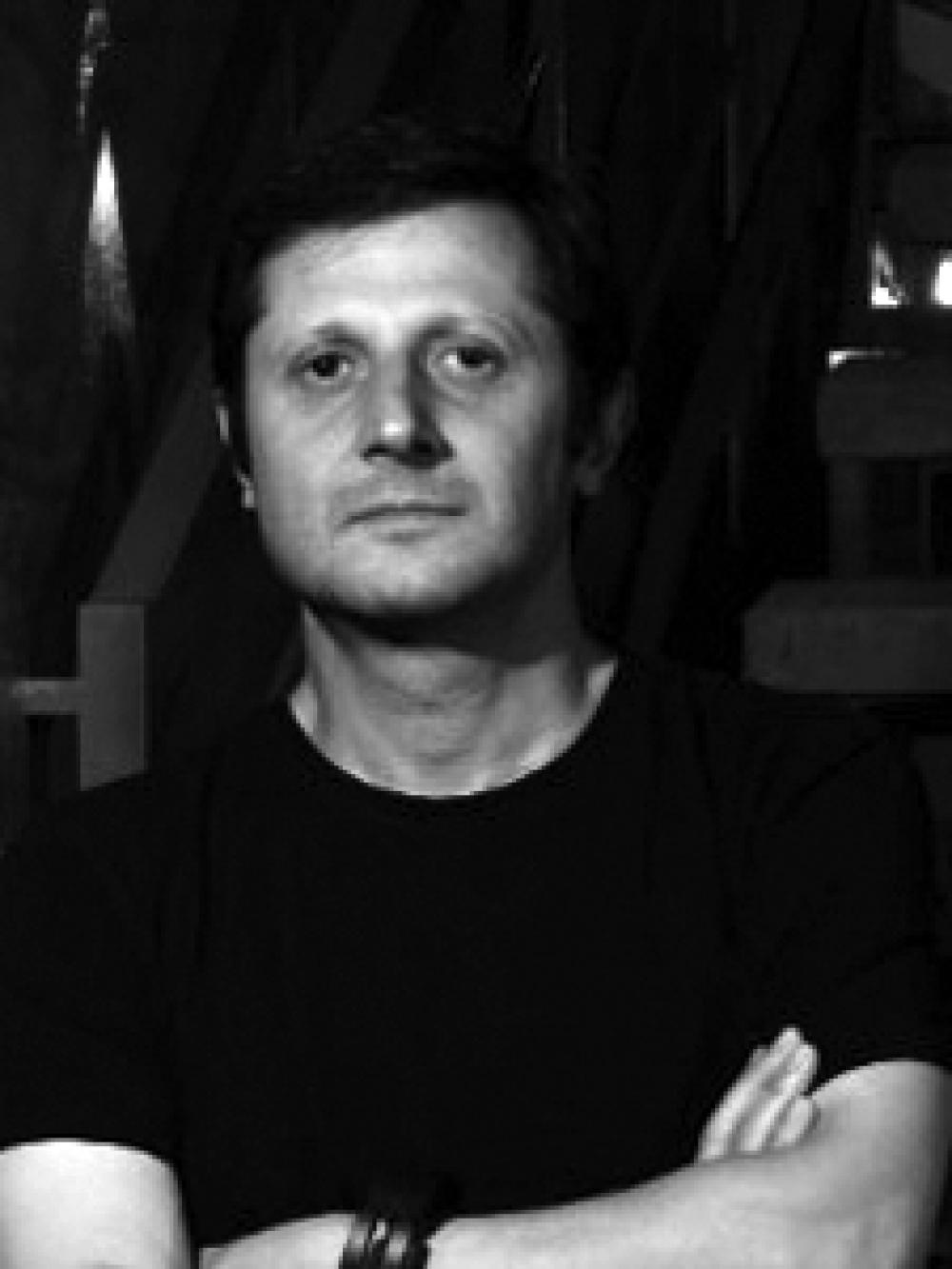
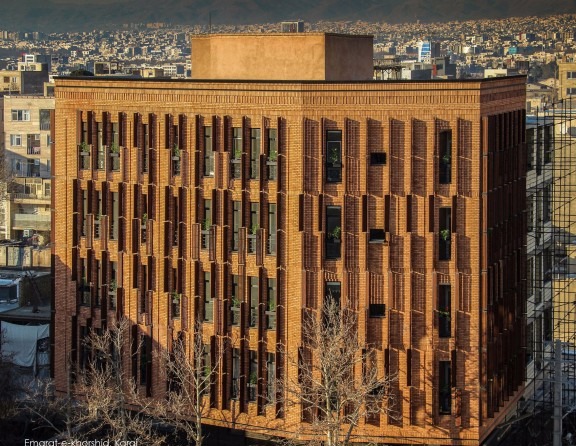
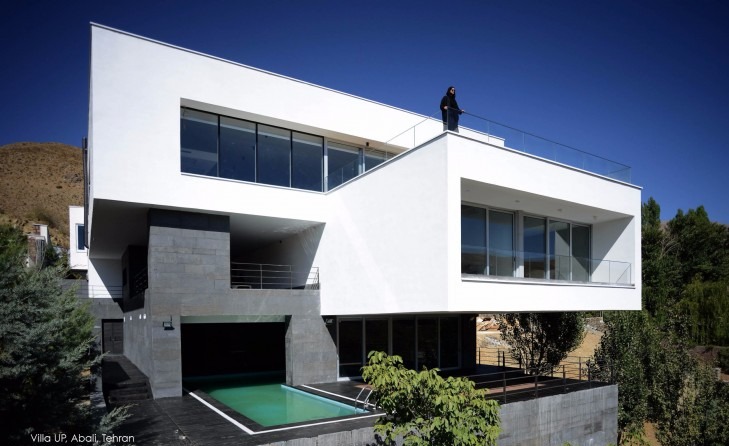
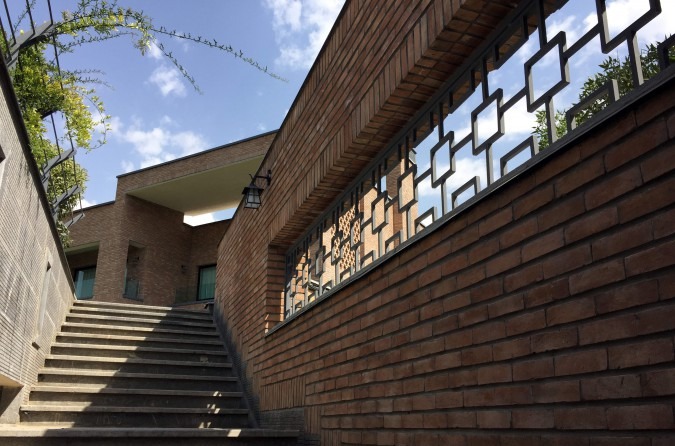
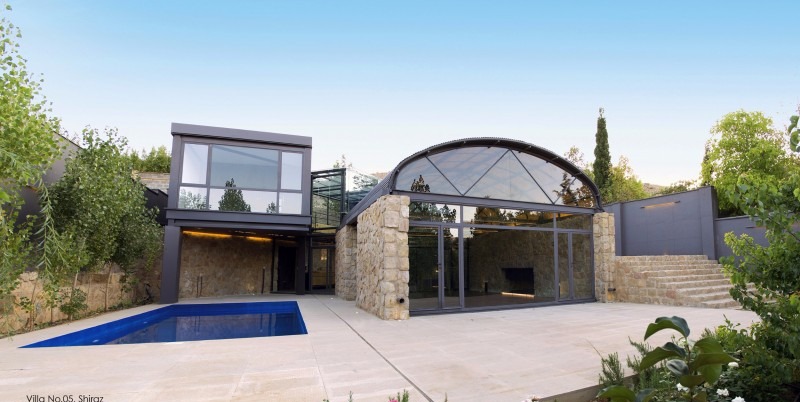
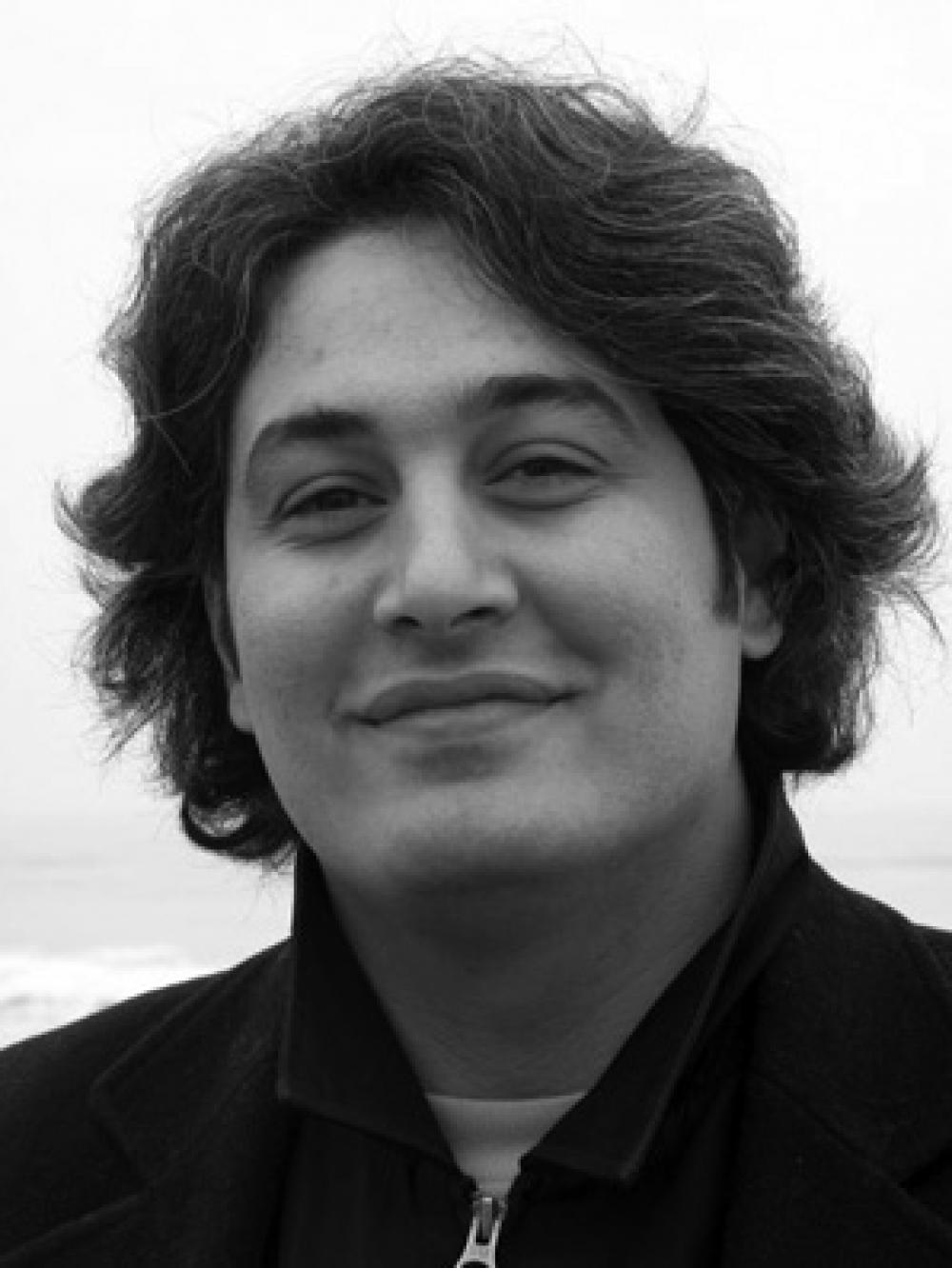
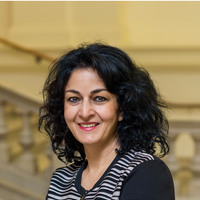
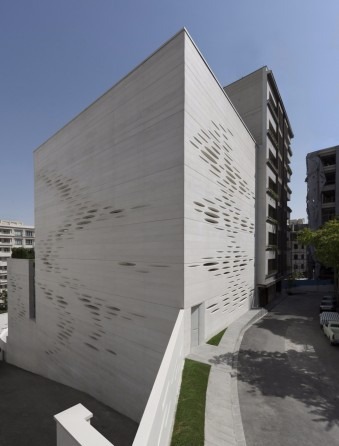
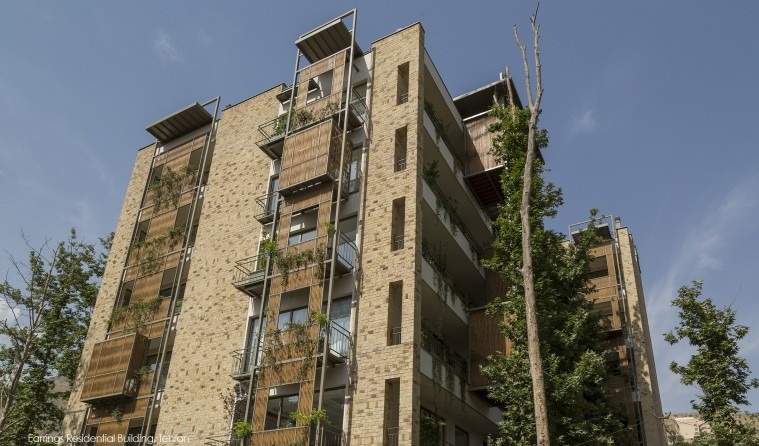
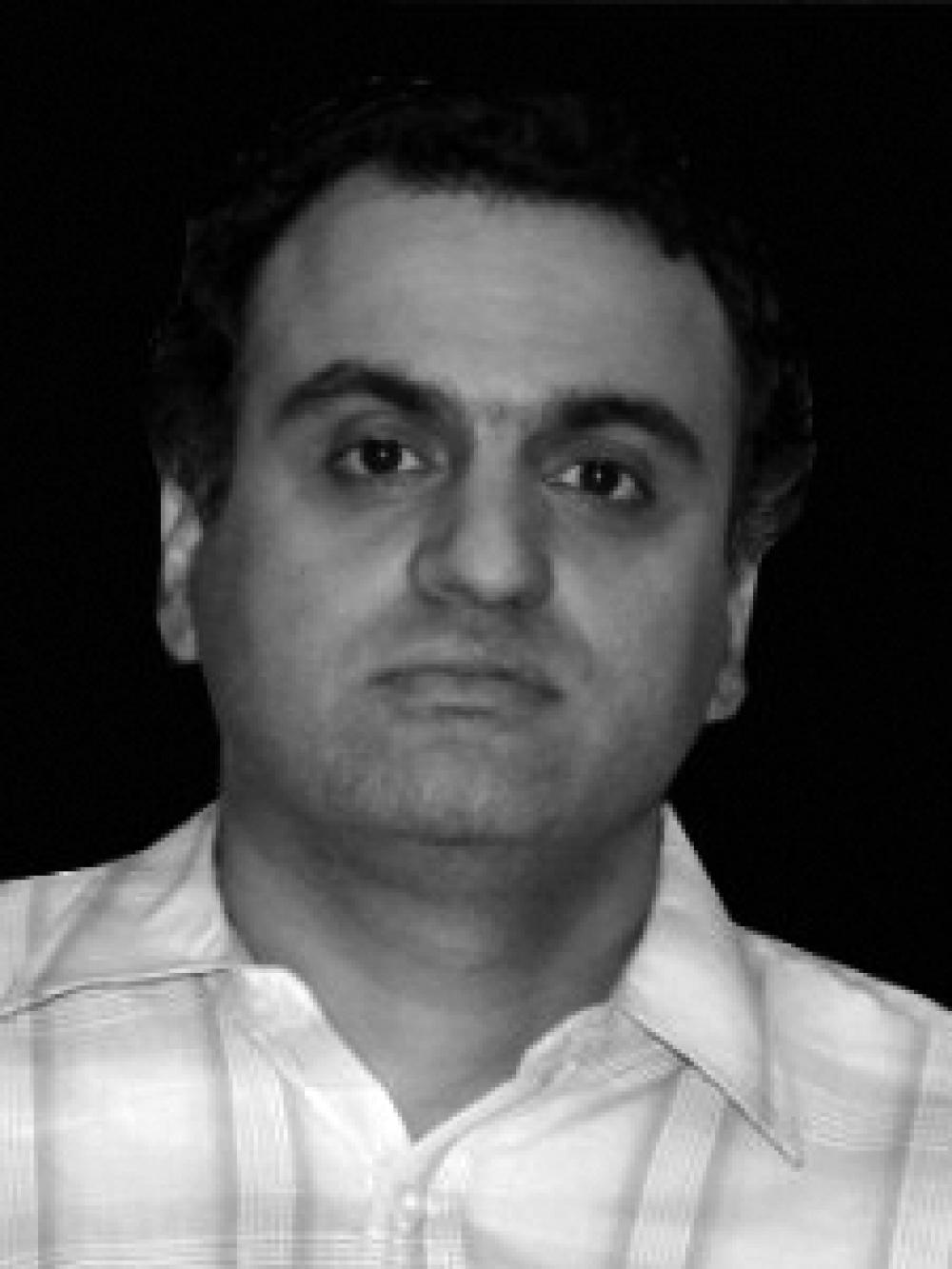
Negar HakimNegar Hakim (born 1971, Isfahan) is an Iranian-Austrian art historian, architecture critic, and academic specializing in Islamic and contemporary Iranian architecture. She studied art history at the University of Vienna, earning her Mag. Phil. in 2002 with doctoral studies focused on contemporary Iranian architecture. She is currently a University Assistant (Postdoctoral Researcher) at TU Wien's Department of Art History, Building Research and Historic Preservation (Kunstgeschichte, Bauforschung und Denkmalpflege), where her research centers on Islamic architecture, modern mosque design, and the interplay between tradition and modernity in Iranian built environments. Hakim has served on the editorial board of Memar Magazine since 2000 and co-edits several other art and architecture publications in the Middle East. She provides intercultural consulting in art and architecture between Europe and the Islamic world, organizes transregional workshops, seminars, and study trips, and has served as a jury member for architectural competitions including the 6th Memar Award (2006). Her major publications include "Contemporary Iranian Architects 1: New Space, Movement and Experience" (IVA-ICRA, 2018), which presents fourteen of Iran's most significant architectural studios across 360 pages, and the exhibition catalogue "Tradition und Transformation: Moscheen im Wandel" (2019), co-authored with Marina Döring-Williams, analyzing 24 mosques from four continents.

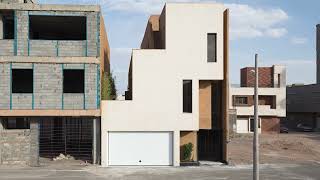

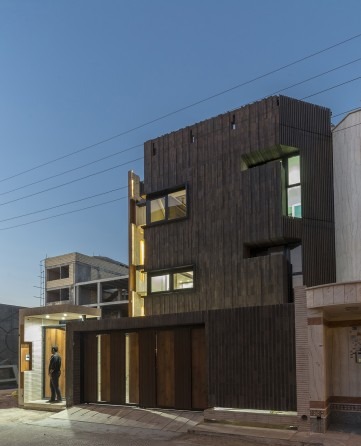
![[In] Exterior, Falahatian Yardhouse](https://images.memar.io/memar-100/falahatian-yardhouse-exterior.jpg)