Retour au programme

2023

Memar Award
Édition 2313 résultats

Membres du jury

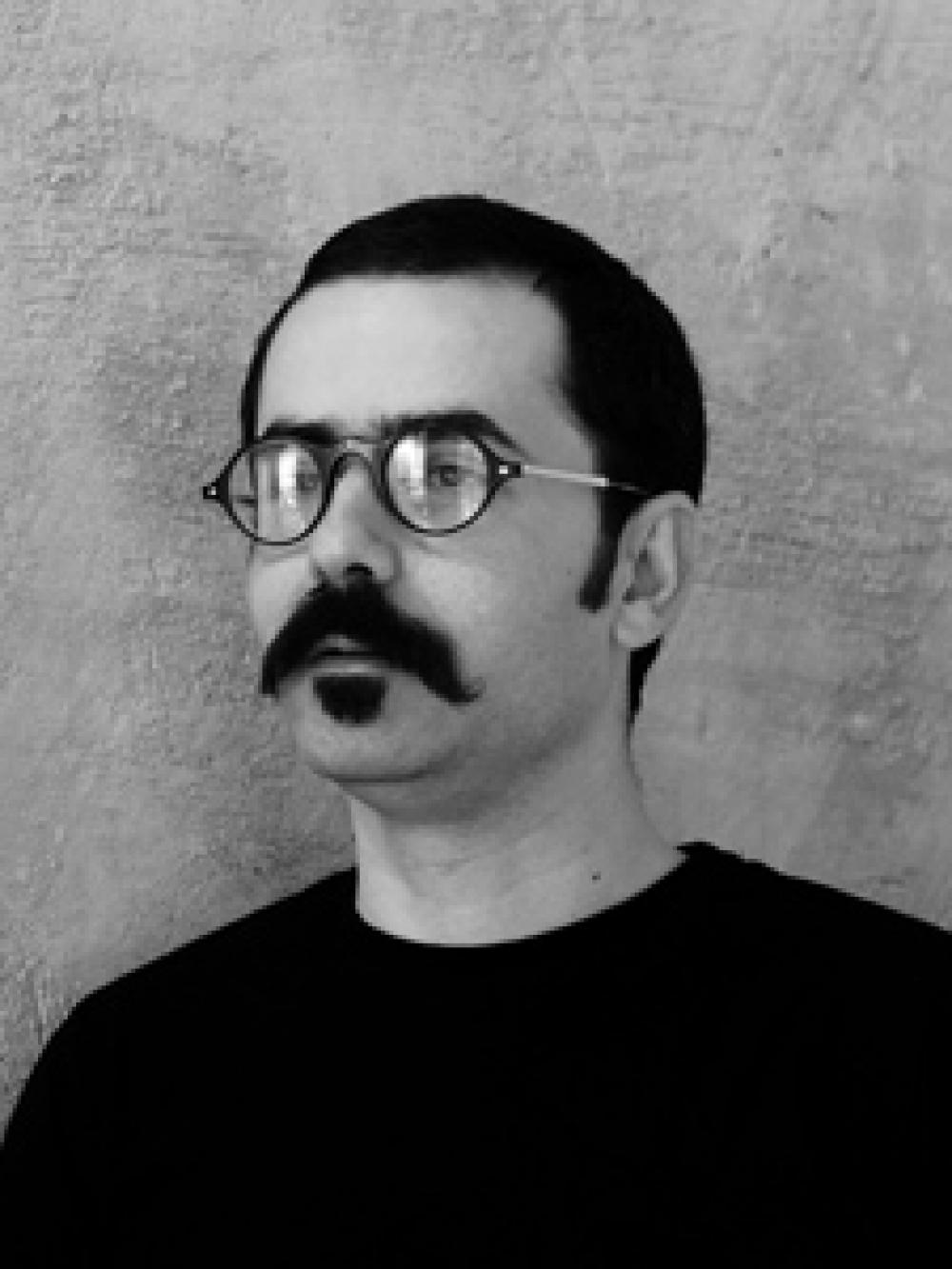
Faramarz Sharifi
Faramarz Sharifiفرامرز شریفی

1937 - Born in Tehran 1956 - Entered Faculty of Fine Arts, University of Tehran 1964 - Graduated from university 1969 to 1994 - Worked as managing director of "Artiman Consultants, Architects and Planners Co." since 1994 - Works as an independent architect . PROJECT LIST Kamraniyeh residential complex Dezashib House Alef office for an Architect

H
Han Tumertekinهان تومرتکین

Han Tumertekin (b. 1958, Istanbul) is a Turkish architect. B.Arch from Istanbul Technical University; M.Arch in historic preservation from the University of Istanbul. Founded Mimarlar ve Han Tumertekin in Istanbul (1986). Notable for adaptive reuse and material-driven design. Won the Aga Khan Award for Architecture (2004) for B2 House in Ayvacik. Major works include SantralIstanbul Energy Museum (2007), SALT Beyoglu and SALT Galata (2011), Catalhoyuk Archaeological Museum (2018), the Maiden's Tower restoration (2021–2023), and Rami Library (2024). First Turkish architect invited to the Venice Architecture Biennale main exhibition (2021). Received the Mimar Sinan Grand Prize (2024). Teaching since 1992 at Istanbul Bilgi University (co-founder of graduate program), Harvard GSD, EPFL Lausanne, and Ecole Speciale d'Architecture Paris. Author of "Han Tumertekin: Recent Work" (Harvard University Press, 2006, edited by Hashim Sarkis). Also established Atelier Han Tumertekin in Strasbourg (2014).

Hossein Sheikh Zeineddin
Hossein Sheikh Zeineddinحسین شیخ زین‌الدین

Hossein Sheikh Zeineddin, the managing director of Bavand Consultant, received his Master in Architecture from the School of Fine Arts of Tehran University, in 1967. He joined Bavand in 1974, and became a member of Bavand's Board of Directors in 1982. Throughout his design career at Bavand, he has been responsible for many award winning

Nasrin Seraji
Nasrin Serajiنسرین سراجی

Nasrine Seraji-Bozorgzad (b. 1957, Tehran) is an Iranian-French-British architect based in Paris. She studied medicine at Isfahan University before graduating from the Architectural Association (AA) in London (1983). Registered RIBA architect (1985), Fellow of RIBA (FRIBA, 2018). Founded Atelier Seraji Architectes & Associes (ASAA) in Paris (1990). Former Chair of Architecture at Cornell University (2001–2005), Dean at Ecole Nationale Superieure d'Architecture Paris-Malaquais, Professor and Head of Institute for Art and Architecture at the Academy of Fine Arts Vienna, and Head of Architecture at the University of Hong Kong. Currently Full Professor of Architectural Design at University College Dublin. Her practice spans cultural, educational, and residential projects across Europe and the Middle East, including the Caverne du Dragon Pavilion (1998), Linzerstrasse Apartments in Vienna (2003), Lille School of Architecture extension (2006), and Les Ateliers Jourdan-Corentin-Issoire housing complex in Paris (2017). Recipient of the Chevalier de la Legion d'Honneur (2011), Officier de l'Ordre National du Merite (2016), and Silver Medal of the French Academy of Architecture (2008). Author of several books including "Logement, Matiere de Nos Villes" (2007) and co-editor of "From Crisis to Crisis" (2019).


S
Shamil Mohammadzadehشمیل محمدزاده

Shamil Mohammadzadeh is an Iranian architect and urban designer. He has served on the jury of the Memar Award and is recognized for his contributions to contemporary Iranian architecture and urban planning discourse.

À propos de cette édition

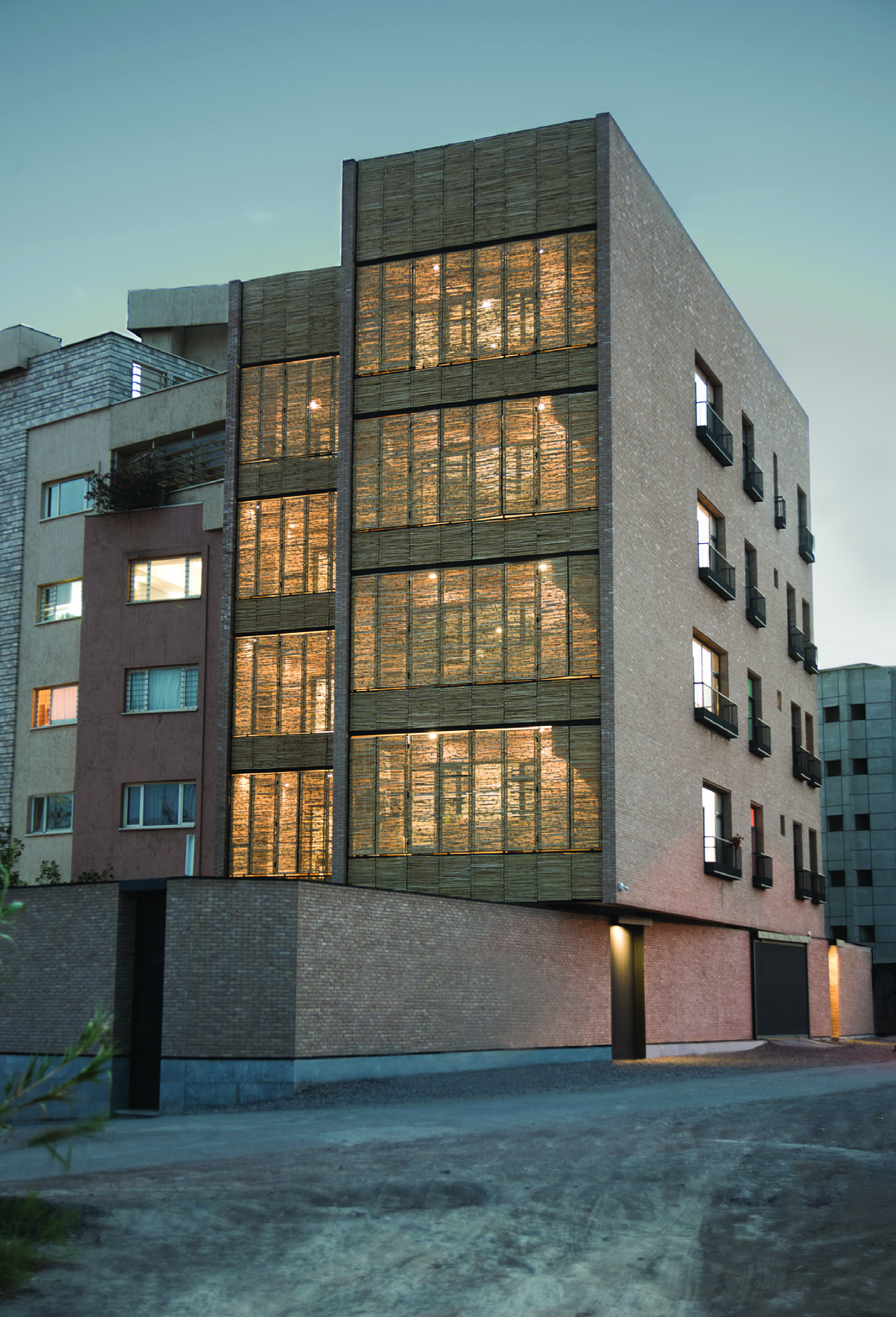
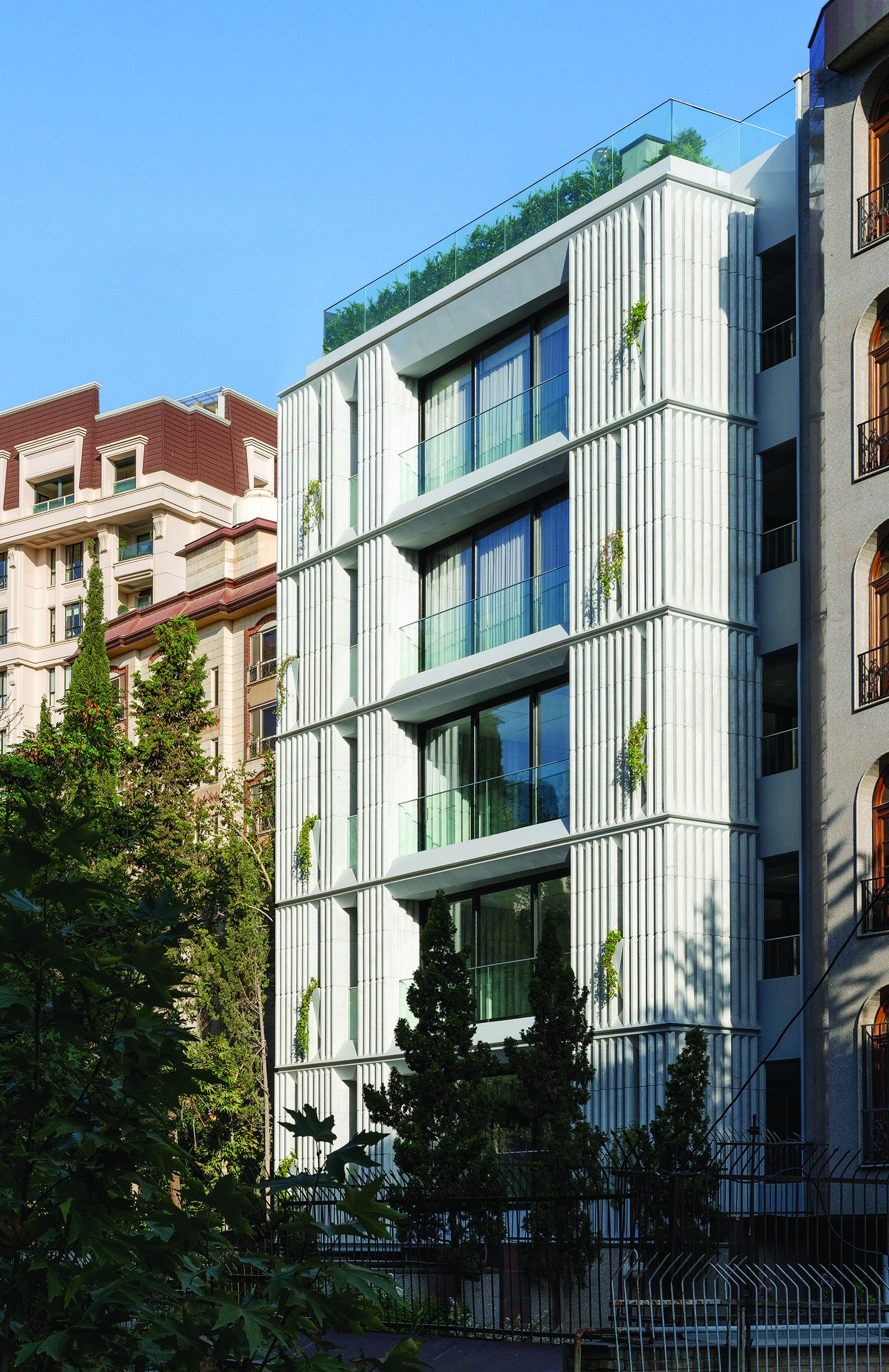
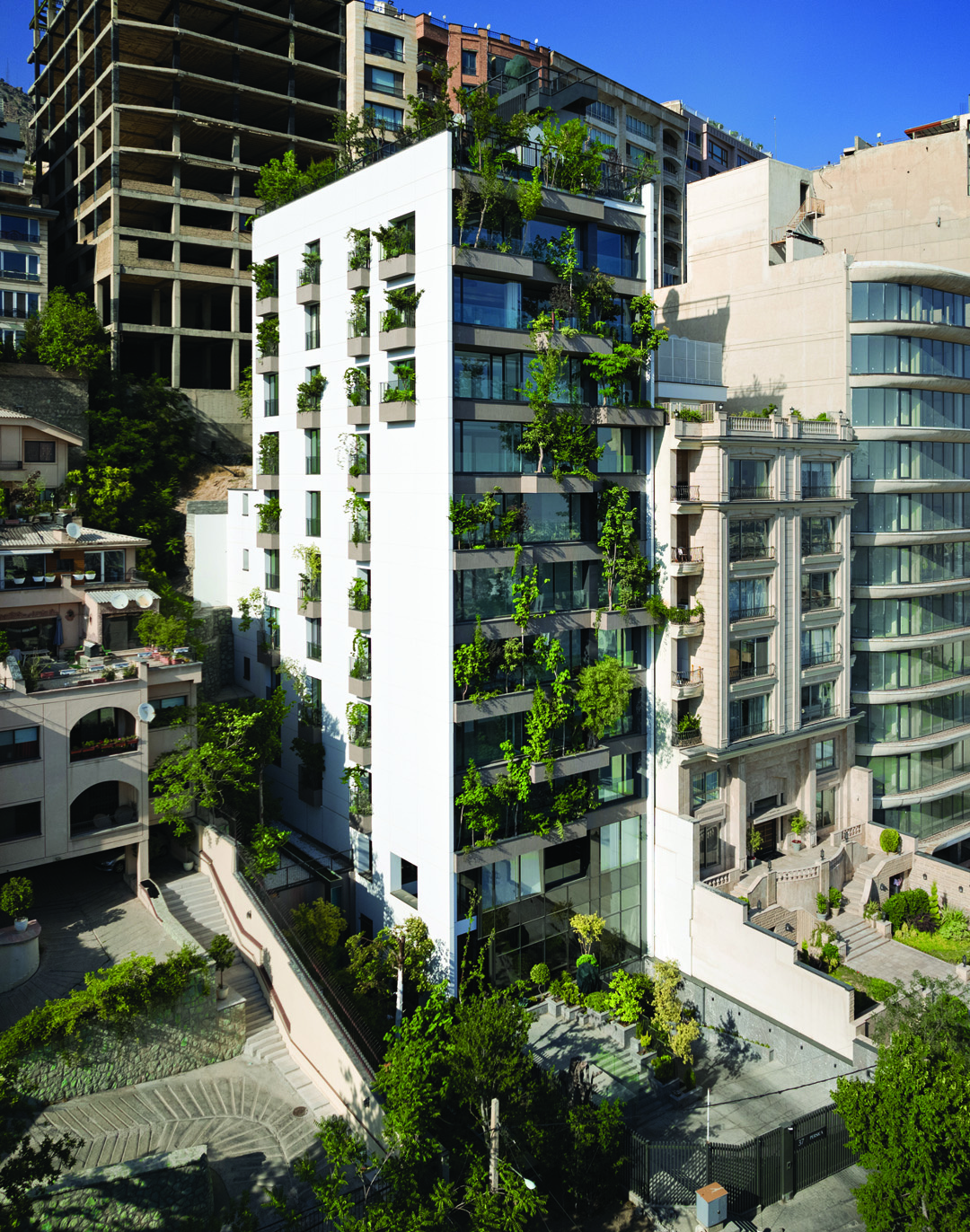
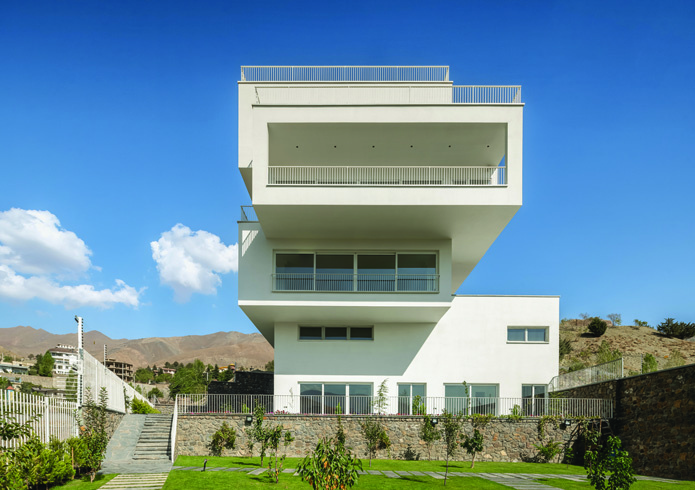
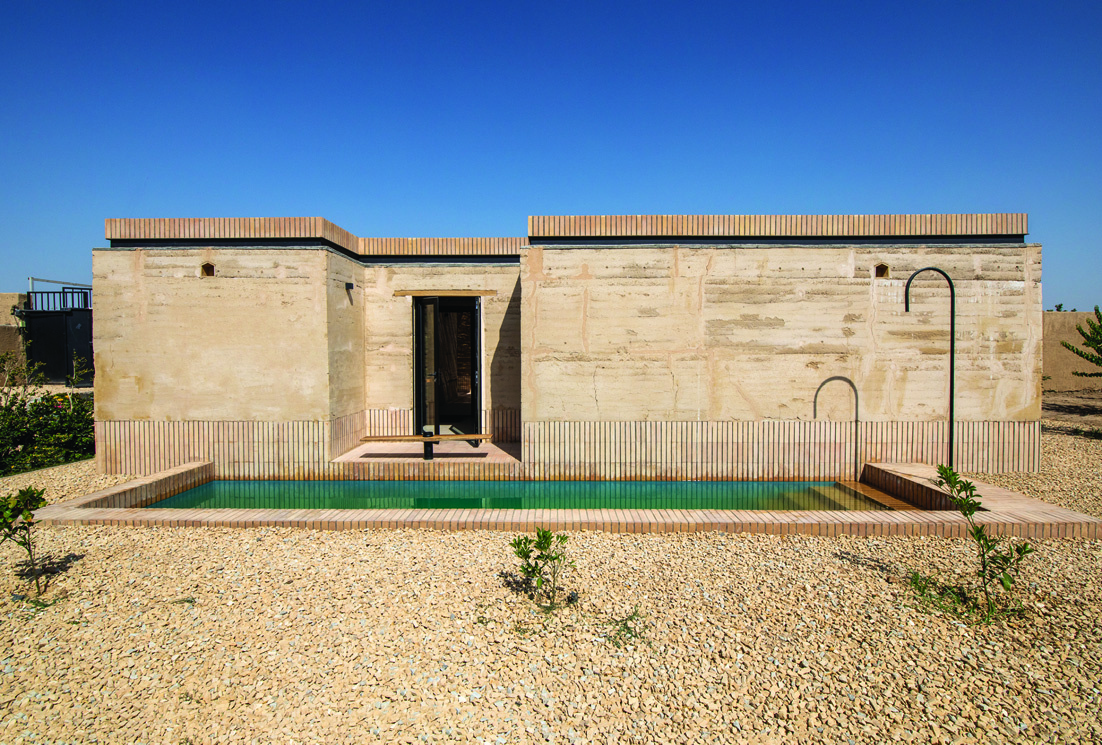
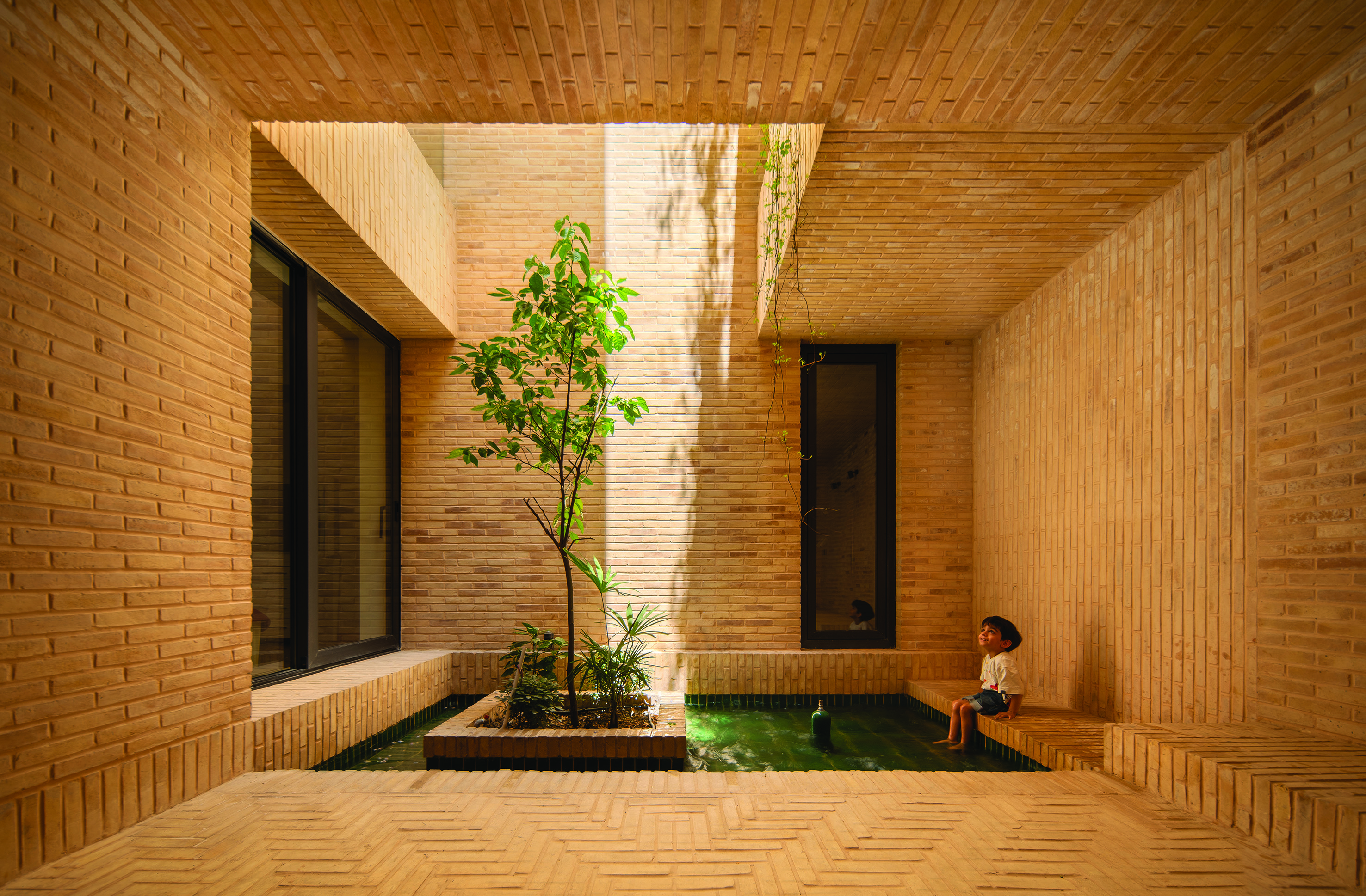
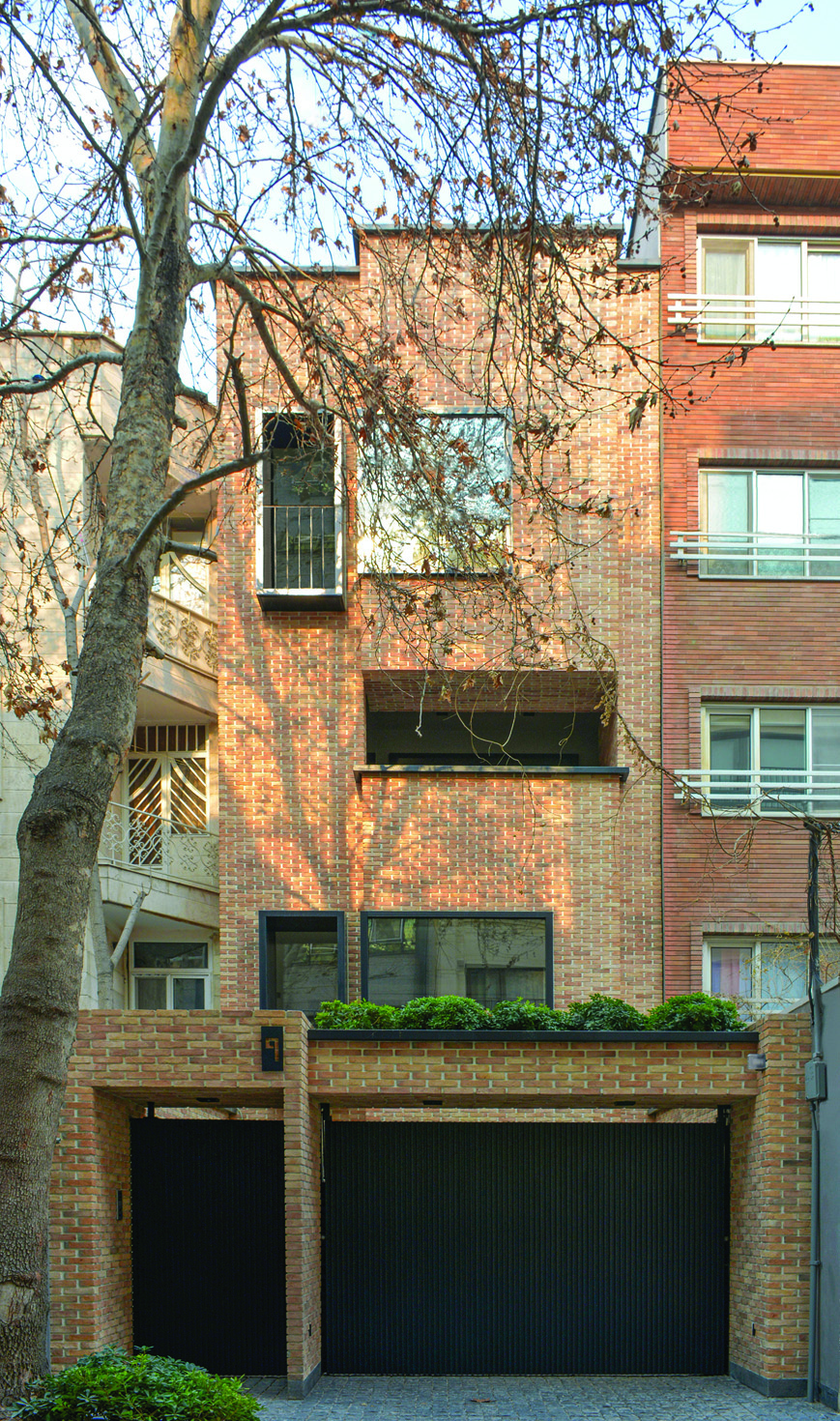
The 23rd Memar Award was held in 2023, with judging conducted in two stages in September and October. From 226 submitted projects across four categories — Individual Dwellings, Apartment Buildings, Renovation, and Public Buildings — 119 advanced to the semifinal round, with two projects withdrawing from the competition. In the final stage, 38 projects became finalists, from which 13 winners were selected. The jury comprised Nasrin Seraji, Faramarz Sharifi, Hossein Sheikhzeineddin, Shamil Mohammadzadeh, and Han Tumertekin from Turkey. As part of the ceremony tradition, the film 'A Conversation with Mehdi Alizadeh' was screened. The winning projects demonstrated the breadth of contemporary Iranian architecture, from the unanimously acclaimed Khuneh Khaki in the Individual Dwellings category to the innovative Once Again Home renovation project.

Statistiques

226Soumissions
119Demi-finalistes
38Finalistes
13Lauréats
Processus de jugement

Judging was conducted in four stages across four categories (Individual Dwellings, Apartment Buildings, Public Buildings, and Renovation): Stage 1 — Elimination: All projects within each category were presented together. Jurors used colored stickers in their designated colors to cast negative votes against projects they wished to eliminate. Even if a single juror voted to keep a project, it was not eliminated. The remaining projects advanced to the semifinal (119 of 226). Stage 2 — Finalist Selection: From the semifinal projects, each juror selected their preferred projects using their sticker as a positive vote, without ranking. Projects receiving no positive votes from any juror were eliminated. The selected projects became finalists (38 projects). Stage 3 — Ranking: Each juror independently selected their first, second, and third choices from among the finalists. 3 points were awarded for first place, 2 points for second place, and 1 point for third place. The sum of all jurors' points determined the final first through third rankings in each category. Stage 4 — Special Commendation: Jurors could designate certain finalists as worthy of special commendation, requiring agreement from the other jurors.