



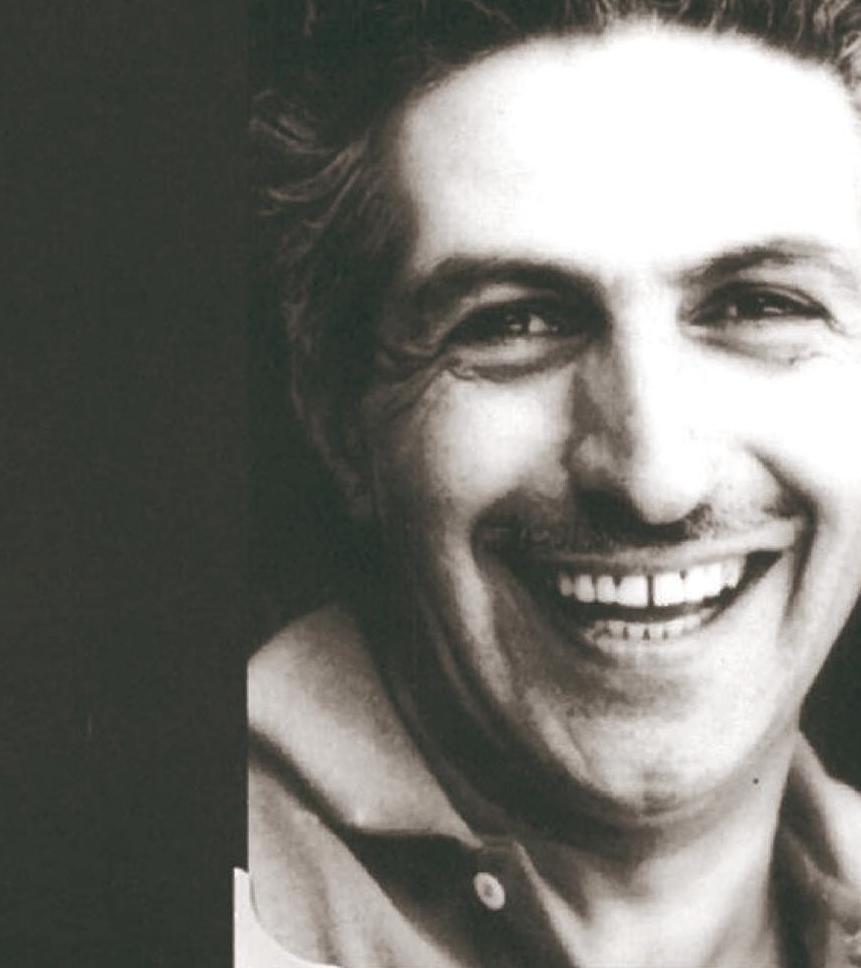
The prizes of the winners of the 5th round of the Grand Me'mar Award were presented on 20 Aban 1384 (11 November 2005), at a ceremony held in the building of the Iranian Organisation of International Congresses. At the ceremony, a film about Abdolaziz Farmanfarmaian was also screened in tribute to him, and was very warmly received by those present.
This year's prizes were devoted to public buildings (excluding healthcare and health buildings and small commercial units). By the deadline for the delivery of works on 11 Aban, 44 works had reached the magazine's office. One work was set aside for being residential and three for being delivered after the announced deadline, and 40 works entered the competition.
This year a council of distinguished architects as well as experts from the fields of construction advised Memar's jury on matters of policy — the first time Memarnashr had drawn on such counsel, in the form of a Council of Senior Advisers. The councillors were the Engineers Nezamedin Nezam-Ameri, Mohsen Mirheidar, Bizhan Kamvari and Kavous Shahinfar, who were introduced in previous issues of Memar. Over two sessions they drafted a policy document for the jury of the fifth round, which reads as follows:
The Senior Advisers' Council's Policy Recommendations to the Jury of the Grand Me'mar Award 2005
1) The issue of identity in architecture has been much debated in Iran from various aspects — including ways and means to reflect the familiar elements of domestic architecture, and fundamental issues such as its particular spatial order. Meanwhile, at the world level, this question has been addressed under the heading of regionalism by architects and architecture critics, with a considerable portion of the architectural literature worldwide devoted to the issue. The councillors maintain that, regardless of the aesthetic and cultural issues of Iranian architecture — which have elevated it to one of mankind's art treasures — other factors, such as climatic and environmental considerations that are among the preoccupations of today's international community, inevitably create distinctive aspects in contemporary Iranian architecture as compared with the contemporary architecture of territories with different environments and climates. In the councillors' view, attention to this matter — which is manifested in the type of spatial organisation, the determination of the building's climatic orientation, the type of materials, and even the inner and outer decorative finishing — can endow our architecture today with a more or less distinct, local character. That is why the jury's appreciation of such considerations can be effective in promoting the importance of this matter, namely attention to particular environmental conditions in architecture.
2) Being home to a rich legacy of historical architecture in diverse domains — service facilities, roads, water-supply installations and so on — this land's works, while precisely suited to their required functions, are also of great artistic value. The senior councillors maintain that it is regrettable that, despite such a precedent, in many of the constructions that could fall within the realm of architecture — and that do so throughout the world — the necessity of the presence of our architects is today not recognised. In the councillors' view, the jury's special attention to these neglected domains can offer a more precise definition of architecture to society and to the clients' community, especially the private sector, reminding them that attention to better and more beautiful architecture for the buildings and facilities they need can be an asset in advancing their professional activity.
3) One of the most conspicuous of the visual anomalies of our cities today — the disorder and disarray of the urban skyline — is caused, among other things, by the inattention of designers, architects and builders to the immediate surroundings of each building, and by the absence of organising codes in this regard. The jury's appreciation of designers' and architects' attention to this matter can, culturally, help to propagate this very important idea.
The Jury
The jurors of the fifth round, who were introduced to Memar's readers in the two previous issues, were (in alphabetical order): Behruz Ahmadi (architect, Iran), Kamran Afshar-Naderi (architect, Iran), Nasrin Seraji (architect, France), Hadi Tehrani (architect, Germany) and Mehdi Alizadeh (architect, Iran).
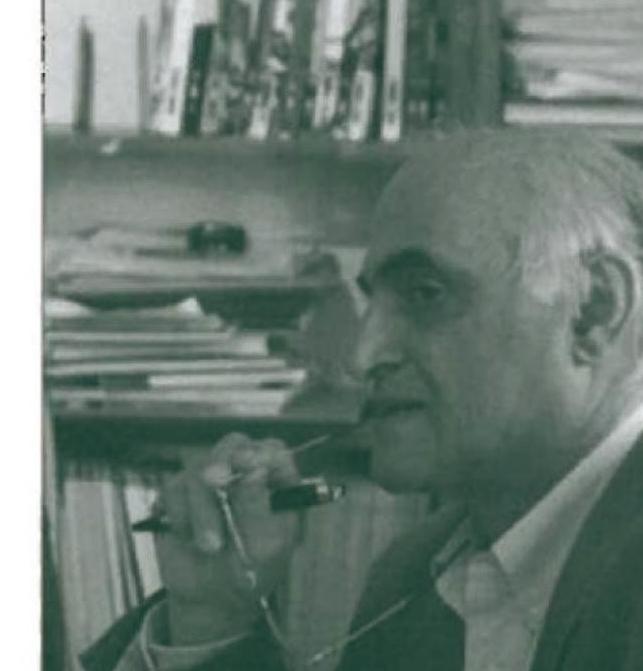
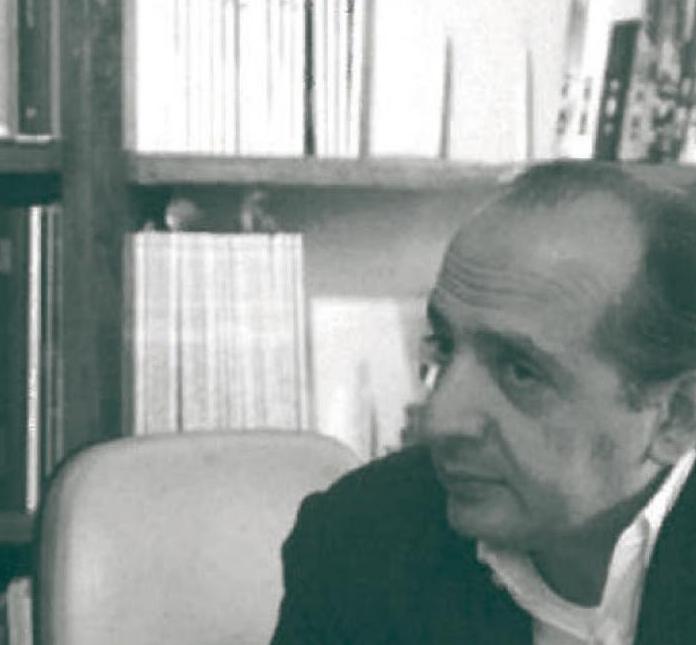
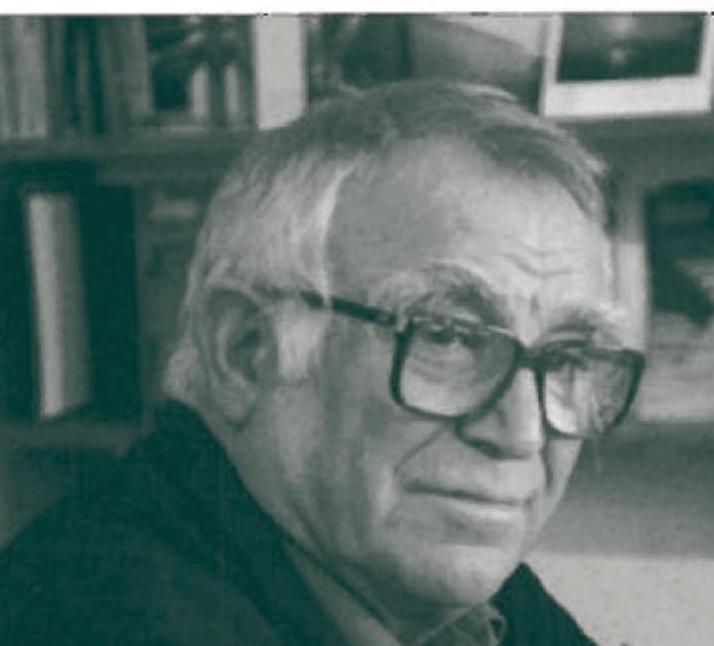
Over two days the jurors reviewed the 40 works that had entered the competition and, after three elimination rounds and two selection rounds — on the basis of the judging regulations and the policy recommendations of the Council of Senior Advisers — finally chose the following 12 works as the jury's selected schemes. (It should be noted that in this round, for the first time, the names of the clients of the selected projects were announced, and a plaque of appreciation was presented to them by the organisers of the Grand Me'mar Award.)
The Jury's Selected Works
- No. 4: Bushehr Cement Factory Mosque — work of Mohammad-Javad Erfanian Jam; client: Bushehr Cement Industries Company.
- No. 6: Golshahr Urban Railway Station — work of Hamgoruh Consulting Engineers; client: Tehran and Suburbs Urban Railway Company.
- No. 11: Urban Railway Station in Mashhad — work of Mehrazan Consulting Engineers; client: Mashhad Urban Railway Company.
- No. 16: Papli Girls' Vocational School — work of Padiavpart Architectural Group; client: Papli Khalatbari Charitable Foundation (London).
- No. 20: Pajang Khodro Headquarters — work of Harirchi & Associates Architectural Office; client: Mehdi Haji-Miri.
- No. 24: Toddy Restaurant — work of Padiavpart Architectural Group; client: Mr. Abolqasemi.
- No. 27: Tehran Water Telemetry and Remote-Control Building — work of Hasteh Tarahi Company; client: Tehran Water and Wastewater Organisation.
- No. 30: Furniture Showroom and Warehouse — work of Bonsar Architectural Office; client: Hossein and Hesam Ghandchi.
- No. 33: Consulate General of Iran in Frankfurt — work of Naqsh-e Jahan-Pars Consulting Engineers; client: Directorate-General of Property, Buildings and Support of the Ministry of Foreign Affairs.
- No. 35: Sports Complex in Sari — designed by Arash Mozafari and Arshia Sho'leh; client: Ministry of Interior.
- No. 36: Nikan Office Building — work of Arash Mozafari; client: Nikan Institute.
- No. 38: Embassy of Iran in Tokyo — work of Bavand Consulting Engineers; client: Directorate-General of Property, Buildings and Support of the Ministry of Foreign Affairs.
The Winners
After renewed discussion of all 12 schemes, the winners were finally determined, according to the final-selection ranking table, as follows:
| Juror | 1st | 2nd | 3rd | 4th | 5th |
|---|---|---|---|---|---|
| Hadi Tehrani | ۳۰ | ۶ | ۲۷ | ۳۶ | ۳۸ |
| Nasrin Seraji | ۳۰ | ۲۰ | ۲۷ | ۳۶ | ۱۶ |
| Behruz Ahmadi | ۳۰ | ۲۷ | ۱۶ | ۳۵ | ۶ |
| Mehdi Alizadeh | ۲۷ | ۳۰ | ۱۶ | ۳۸ | ۶ |
| Kamran Afshar-Naderi | ۳۰ | ۲۷ | ۳۵ | ۳۳ | ۲۰ |
- First place: No. 30, the Furniture Showroom and Warehouse, work of the Bonsar Architectural Office, with 24 points — winner of the Me'mar Medal, 100,000,000 rials and a plaque of appreciation.
- Second place: No. 27, the Tehran Water Telemetry and Remote-Control Building, work of the Hasteh Tarahi Company, with 19 points — winner of 30,000,000 rials and a plaque of appreciation.
- Third place: No. 16, the Papli Girls' School, work of the Padiavpart Architectural Group, with 7 points — winner of 20,000,000 rials and a plaque of appreciation.
- Fourth place: No. 6, the Golshahr Urban Railway Station, work of the Hamgoruh Consulting Engineers, with 6 points — winner of 10,000,000 rials and a plaque of appreciation.
- Fifth place, jointly: No. 20, the Pajang Khodro Headquarters, work of the Harirchi & Associates Architectural Office, with 5 points; and No. 35, the Sports Complex in Sari, work of Arash Mozafari and Arshia Sho'leh, with 5 points.
The jurors' detailed discussion of each of the selected schemes appears alongside the presentation of the individual projects in the following pages.