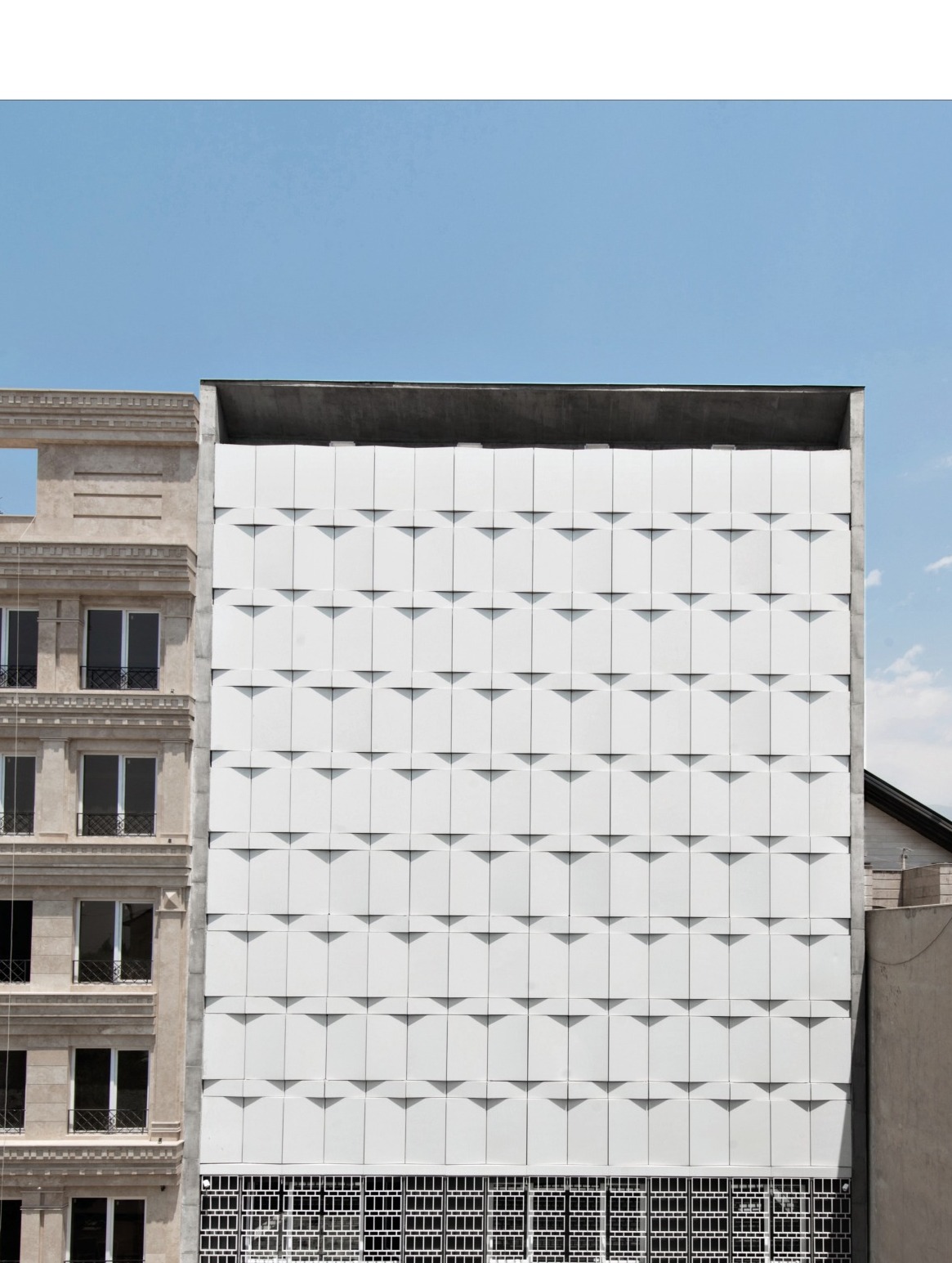
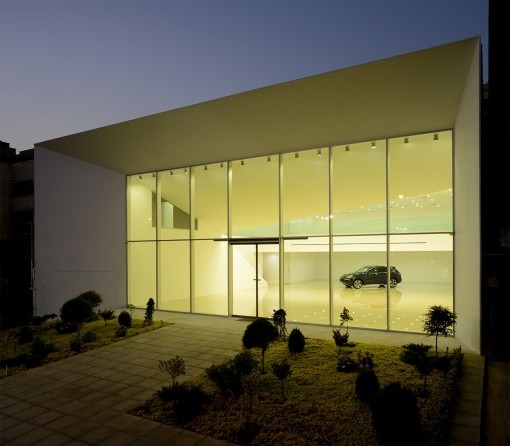
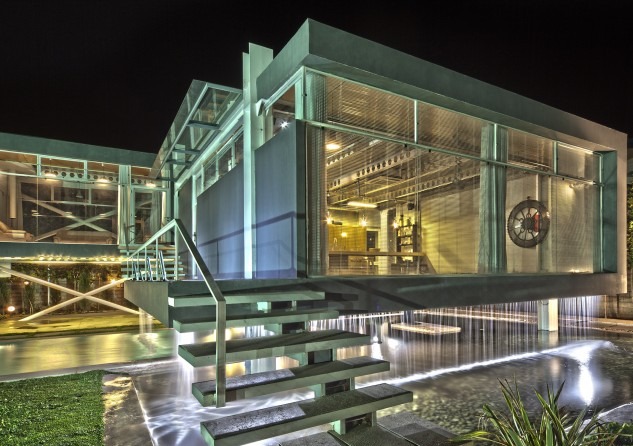
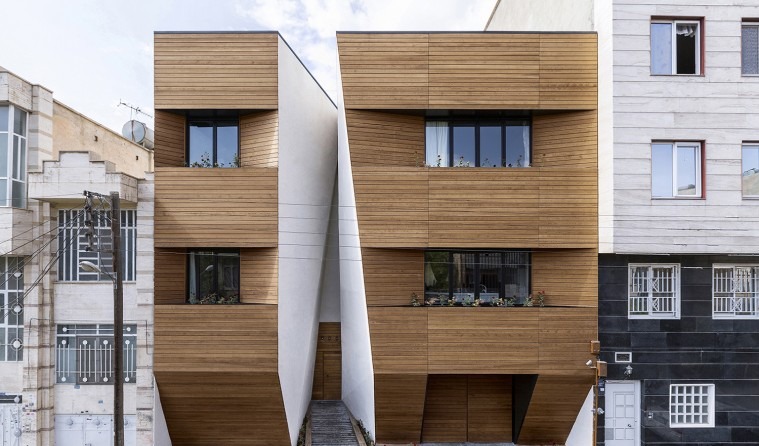
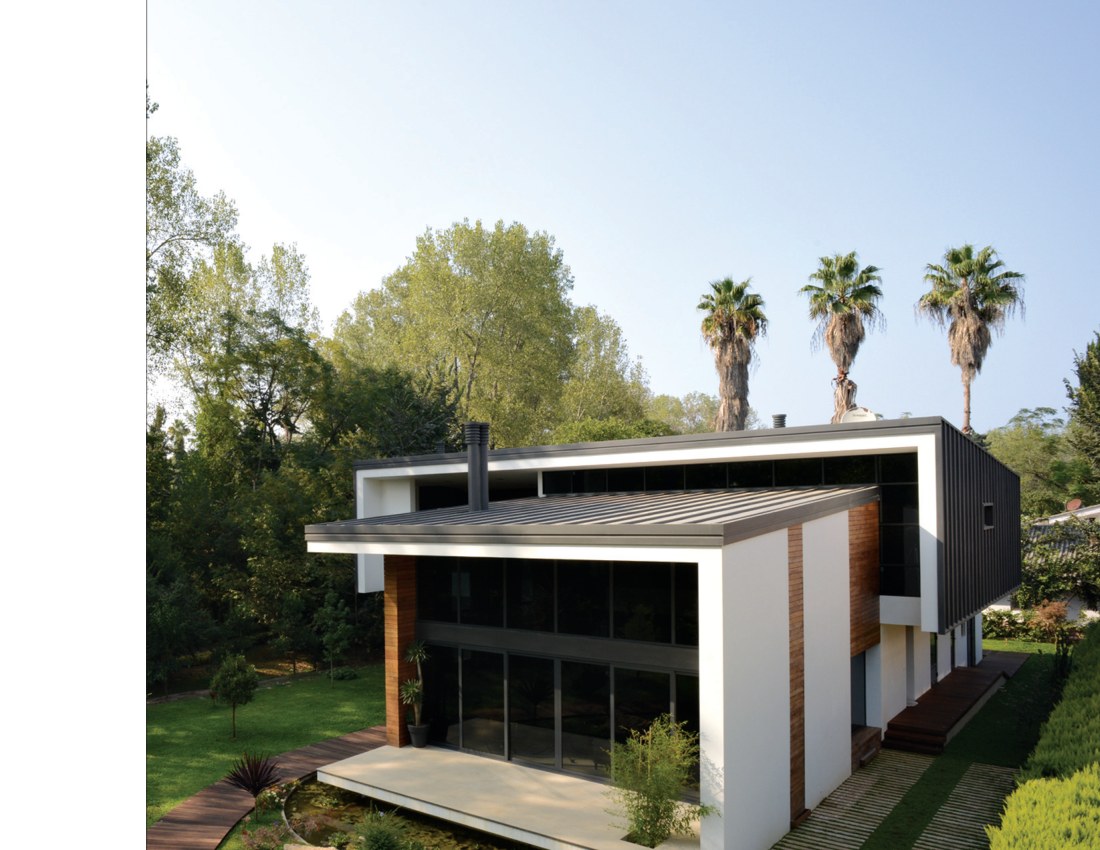
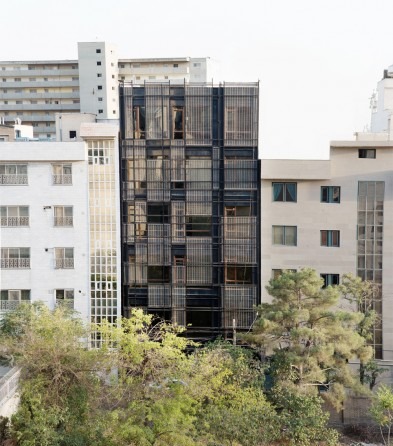
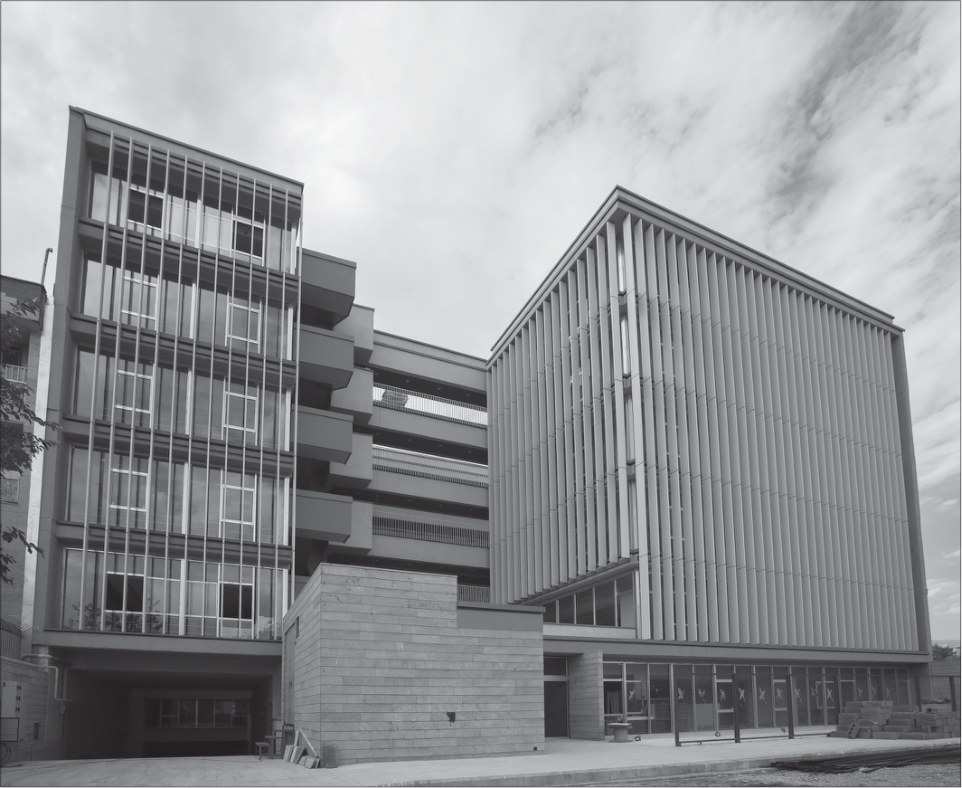
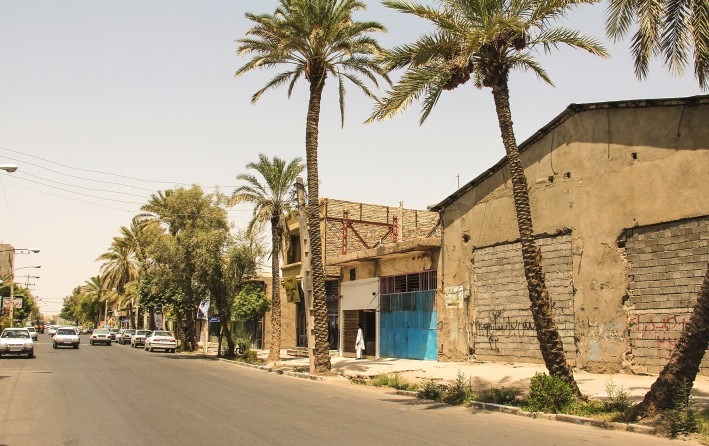
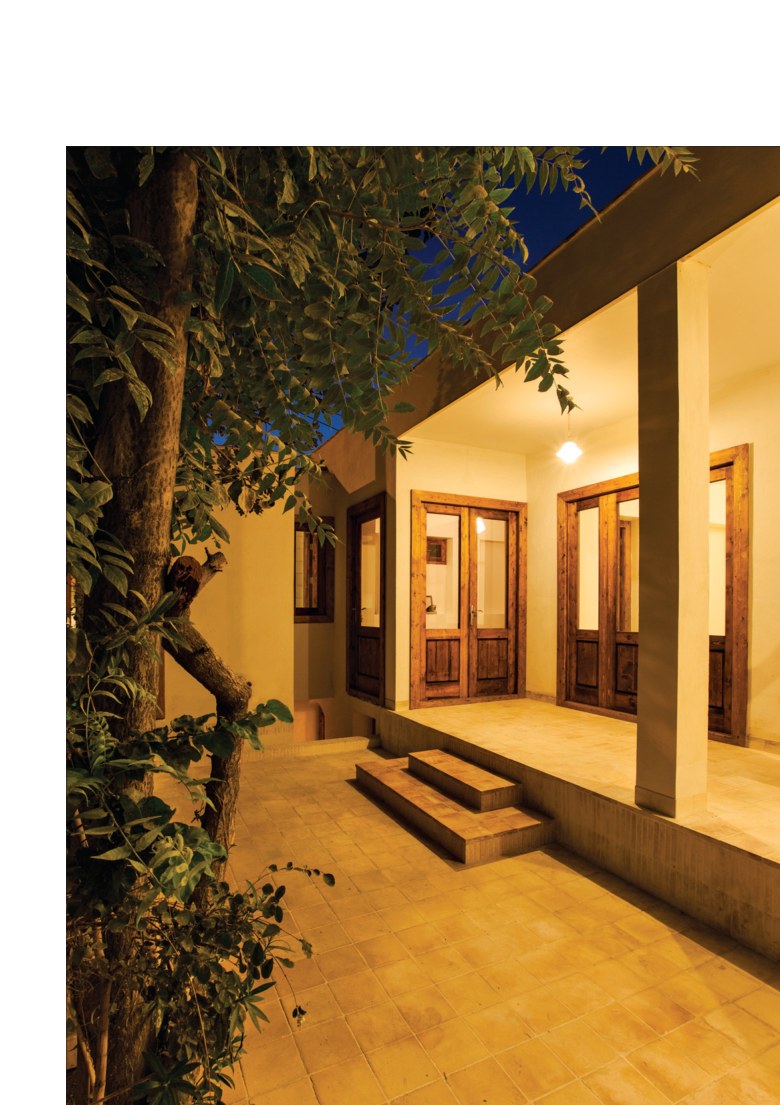
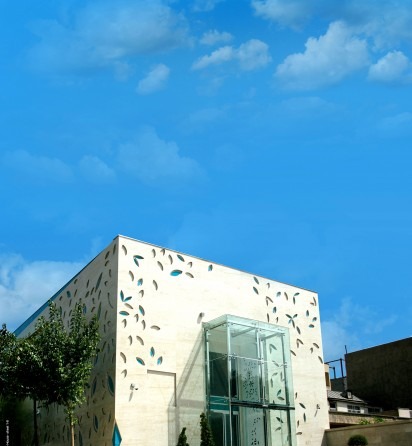
Semifinalists — Public Buildings
The Editor

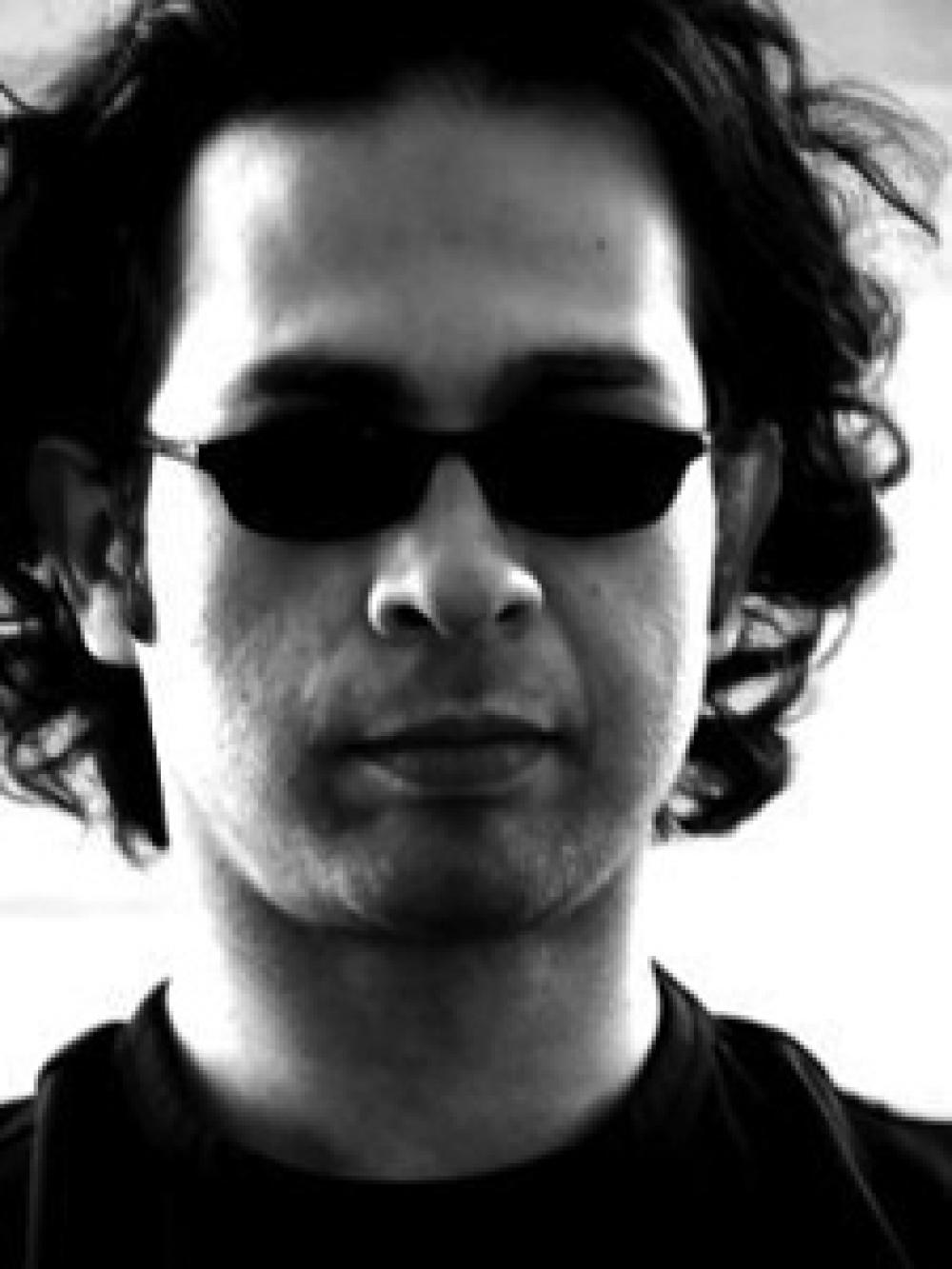
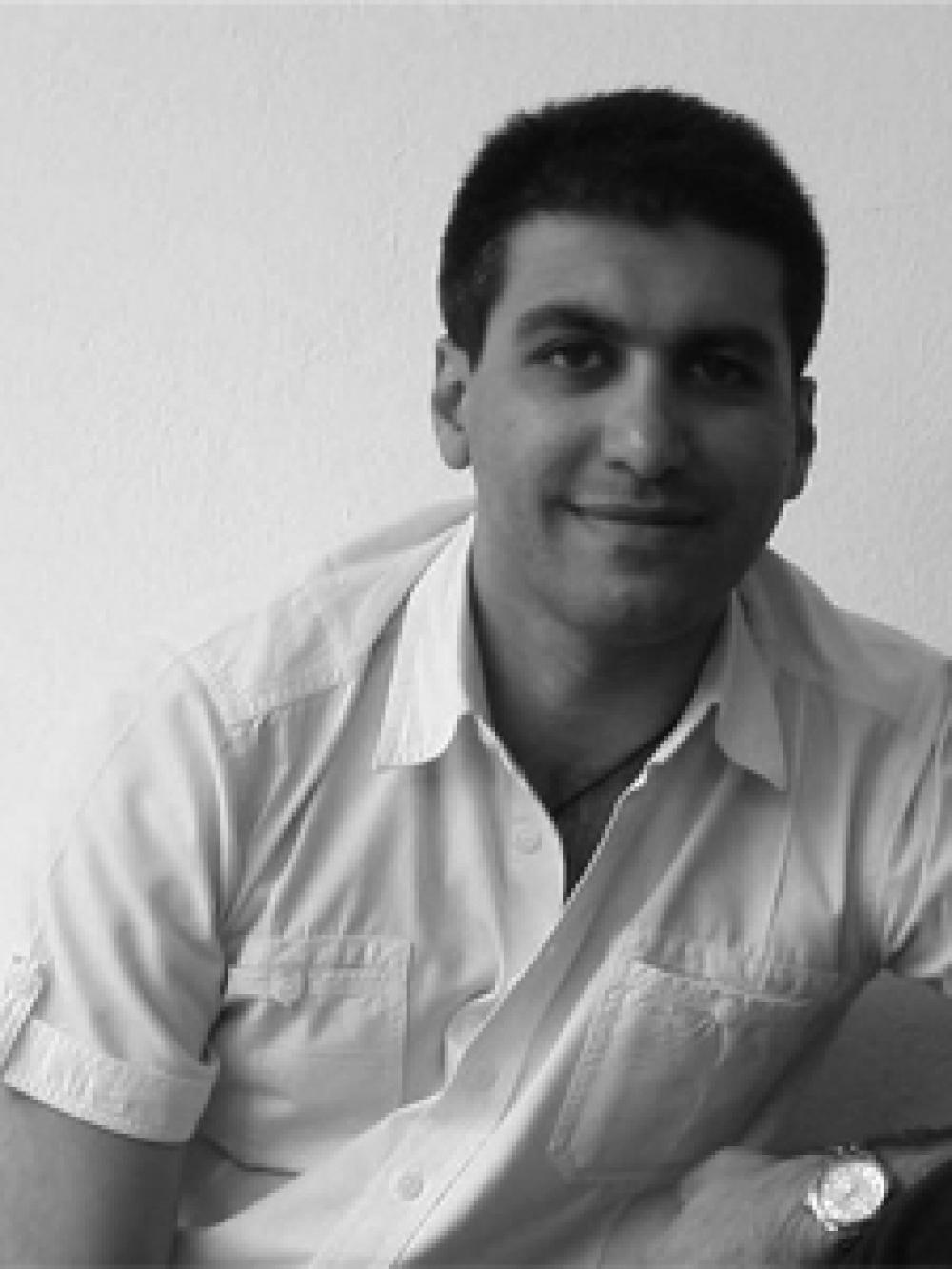
Iranian architect. Projects include Khazar-Abad Sport Hall, Niavaran House, NIPCO Factory, Sport Complex for the Disabled, and Qasr Prison Garden Museum.

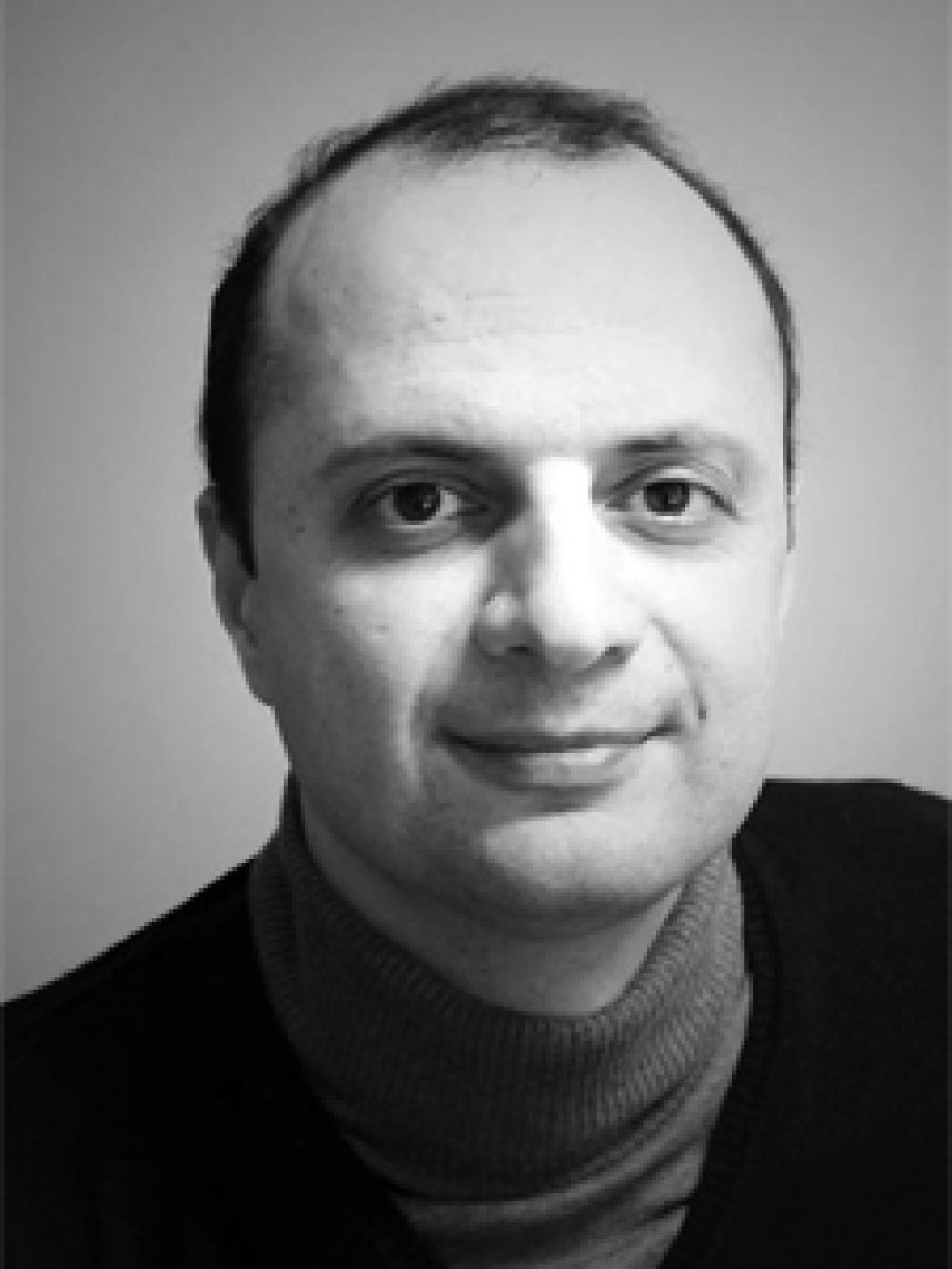
1971 - Born in Tehran,Iran 1996 - MS in Architecture, Melli school of Architecture and Urbanism, Melli University Tehran, Iran 1999 -Established DC[4S] Architecture Company with Qurosh Dabbagh, Sam Tehranchi 2003 - Established ARAD (Architectural Research And Design co.) with Qurosh Dabbagh Competitions &

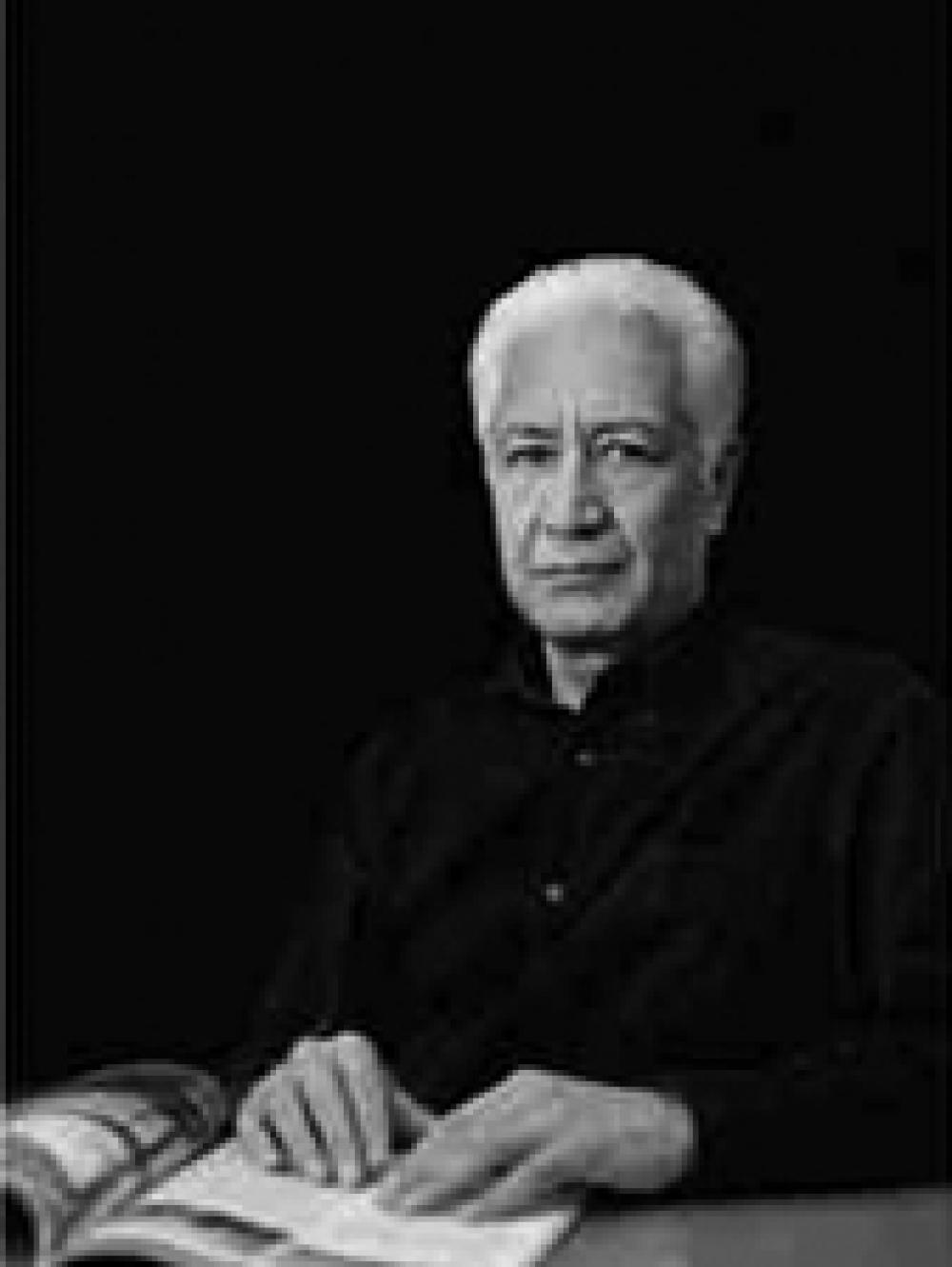
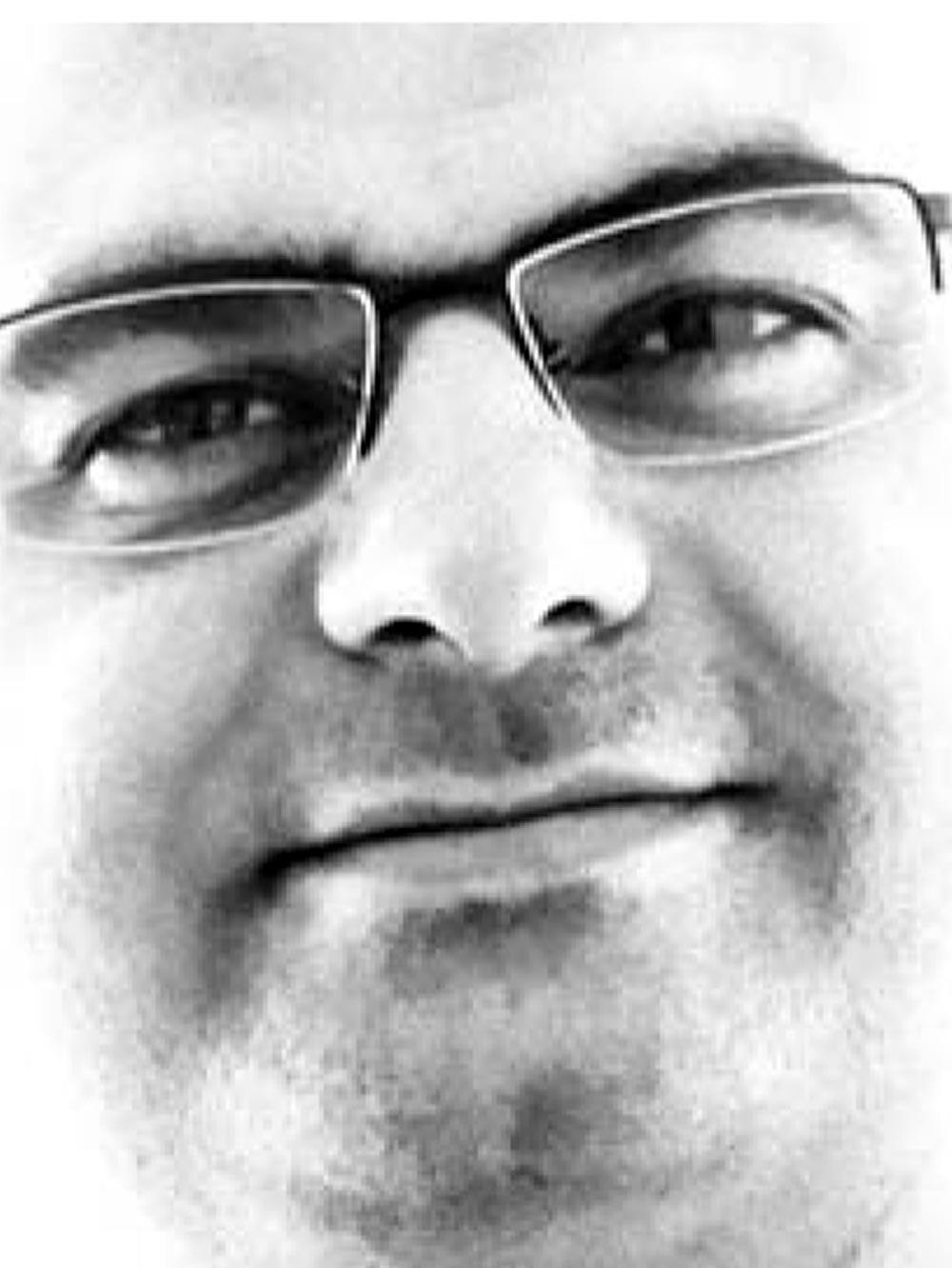
Hossein Sheikh Zeineddin, the managing director of Bavand Consultant, received his Master in Architecture from the School of Fine Arts of Tehran University, in 1967. He joined Bavand in 1974, and became a member of Bavand's Board of Directors in 1982. Throughout his design career at Bavand, he has been responsible for many award winning
The 14th Memar Award competition received 241 submissions judged in two phases. In the second phase, jurors decided to split the residential category into "Individual Dwellings" and "Apartment Buildings" — a first in the award's history. Four restoration projects were excluded from competition due to their specialized nature. Winners were selected across four categories: Individual Dwellings, Apartment Buildings, Renovation, and Public Buildings.

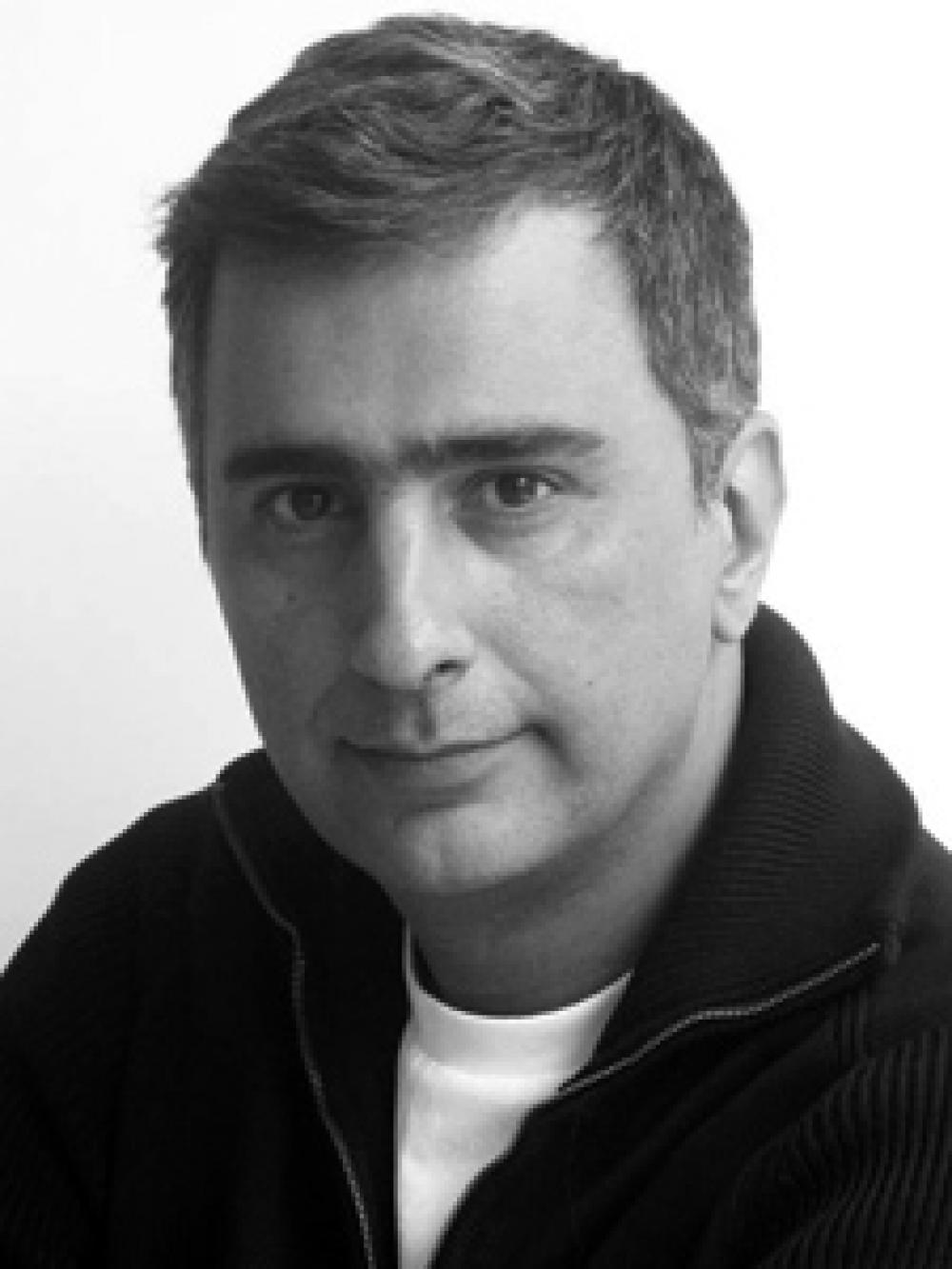
Iranian architect, critic, and editor (b. 1959, Mashhad). Studied at University of Genoa (1985). Worked with Renzo Piano Building Workshop (1986-1993) on projects including Kansai Airport. Co-founded Memar Magazine (1998) — the very publication this database documents. Published ~150 articles and 3 books. Teaching at Azad and Soureh universities since 1993. Co-founded POL Institute, Isfahan.
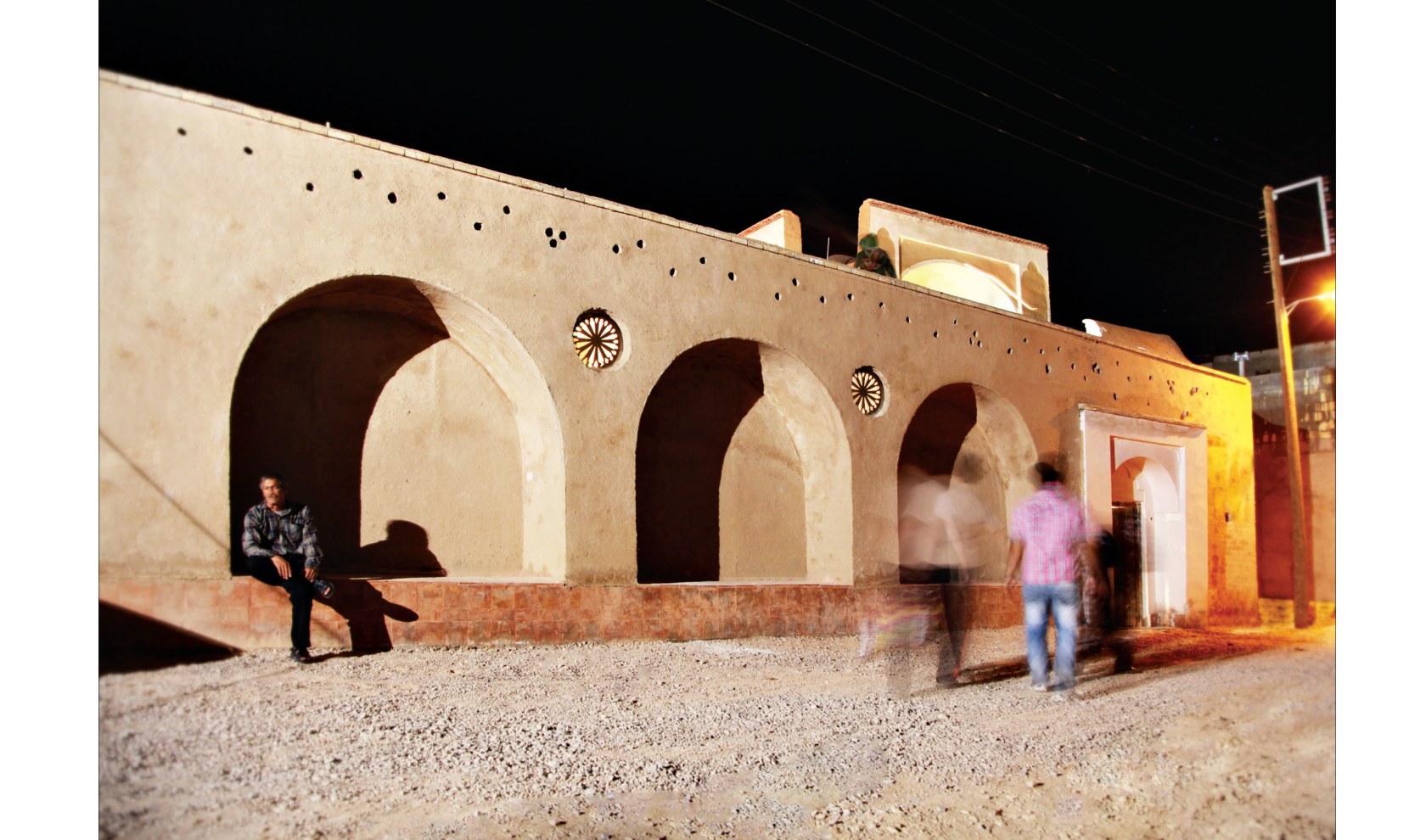
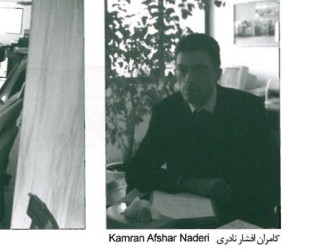
The competition was held in two phases with 241 submissions. In the first phase, semifinalists were selected from all three groups and asked to submit documentation for the second phase. The second phase judging was held on 26 Mehr (October 18) with the addition of Mehrdad Hadighi to the jury panel of Hosein Sheikh Zeinedin, Kamran Afshar Naderi, Bahram Kalantari, and Arash Mozafari. In the second phase, by jury decision, the residential group was split into two sub-groups: Individual Dwellings and Apartment Buildings. The jury excluded four restoration projects due to their specialized nature. Judging criteria included: creativity and innovation in design and materials, creative confrontation with project-specific challenges (economic constraints, site conditions, legal requirements), attention to detail, consideration of surrounding environment and climate, environmental values and social commitments. The final judgment was based on holistic assessment rather than numerical scoring of individual criteria.
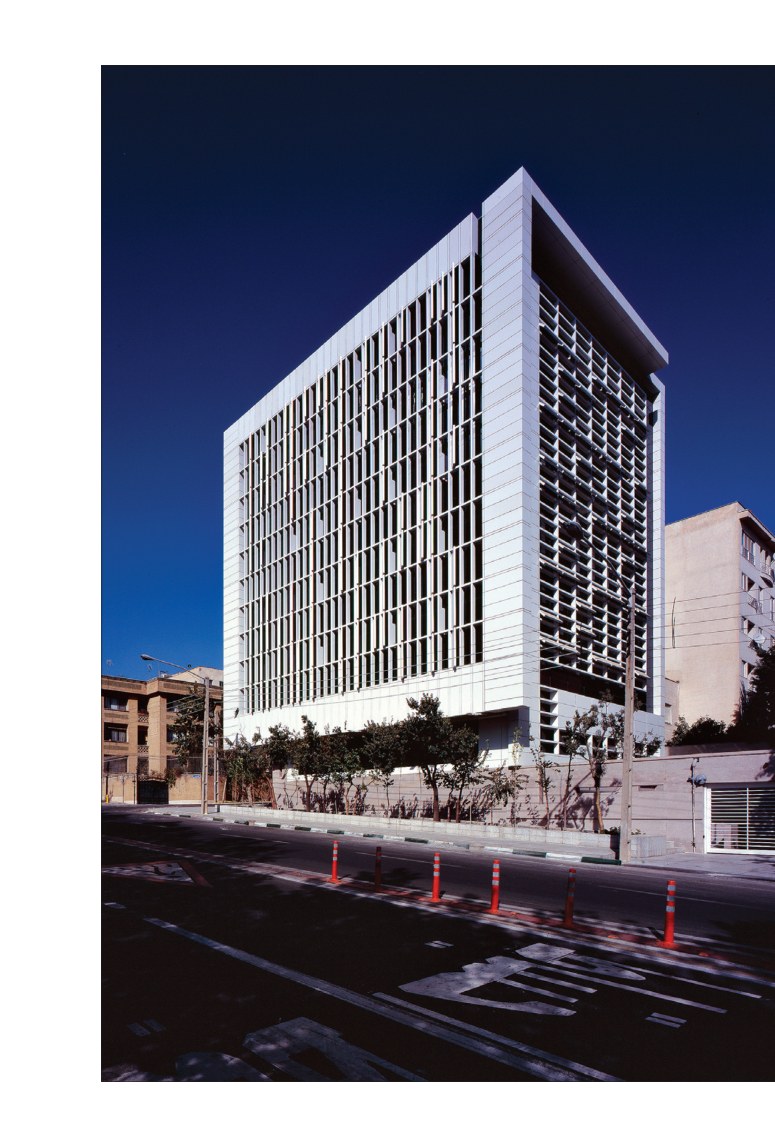
Building Materials
Mehrdad Yousefi · General Manager