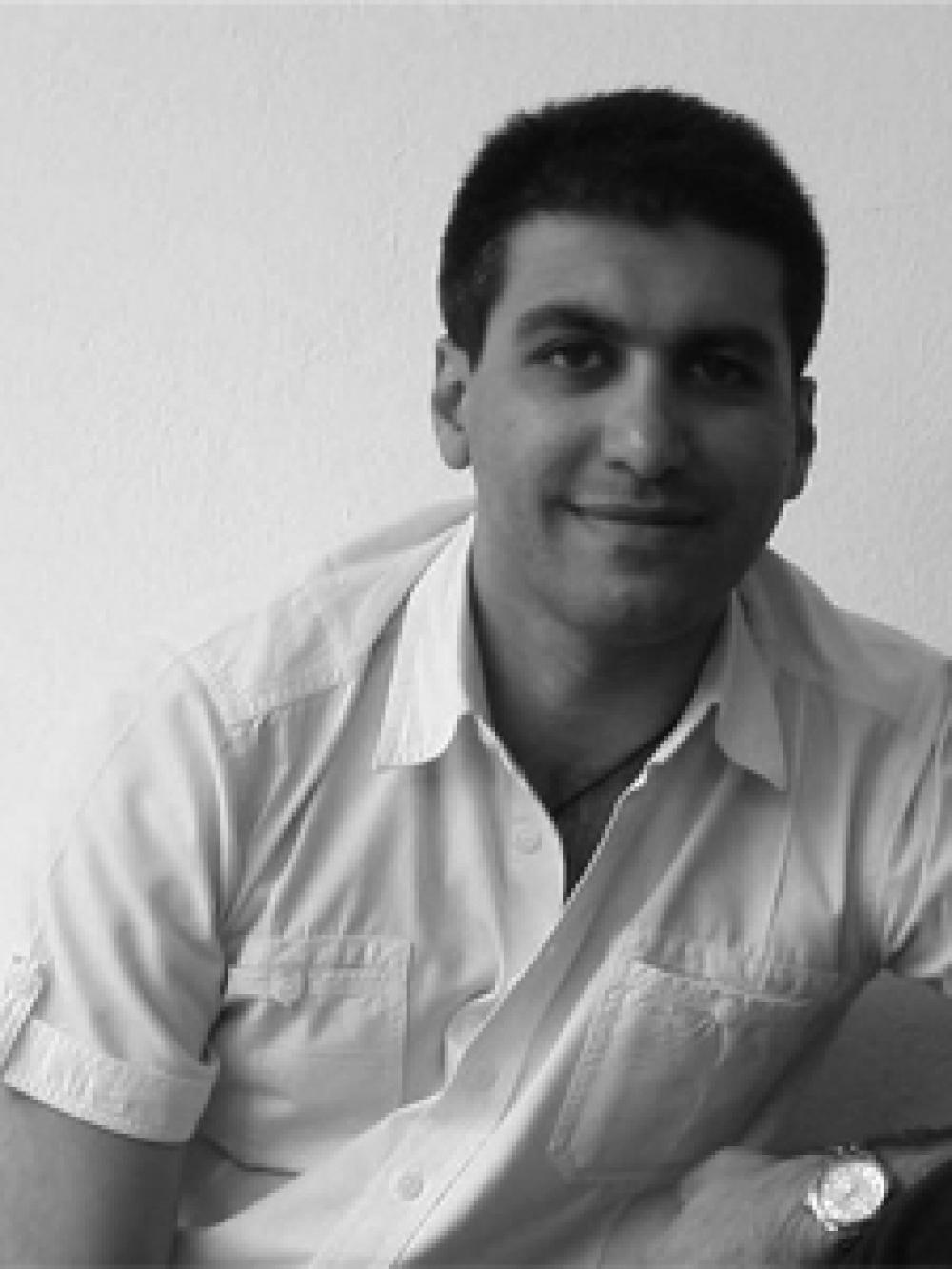
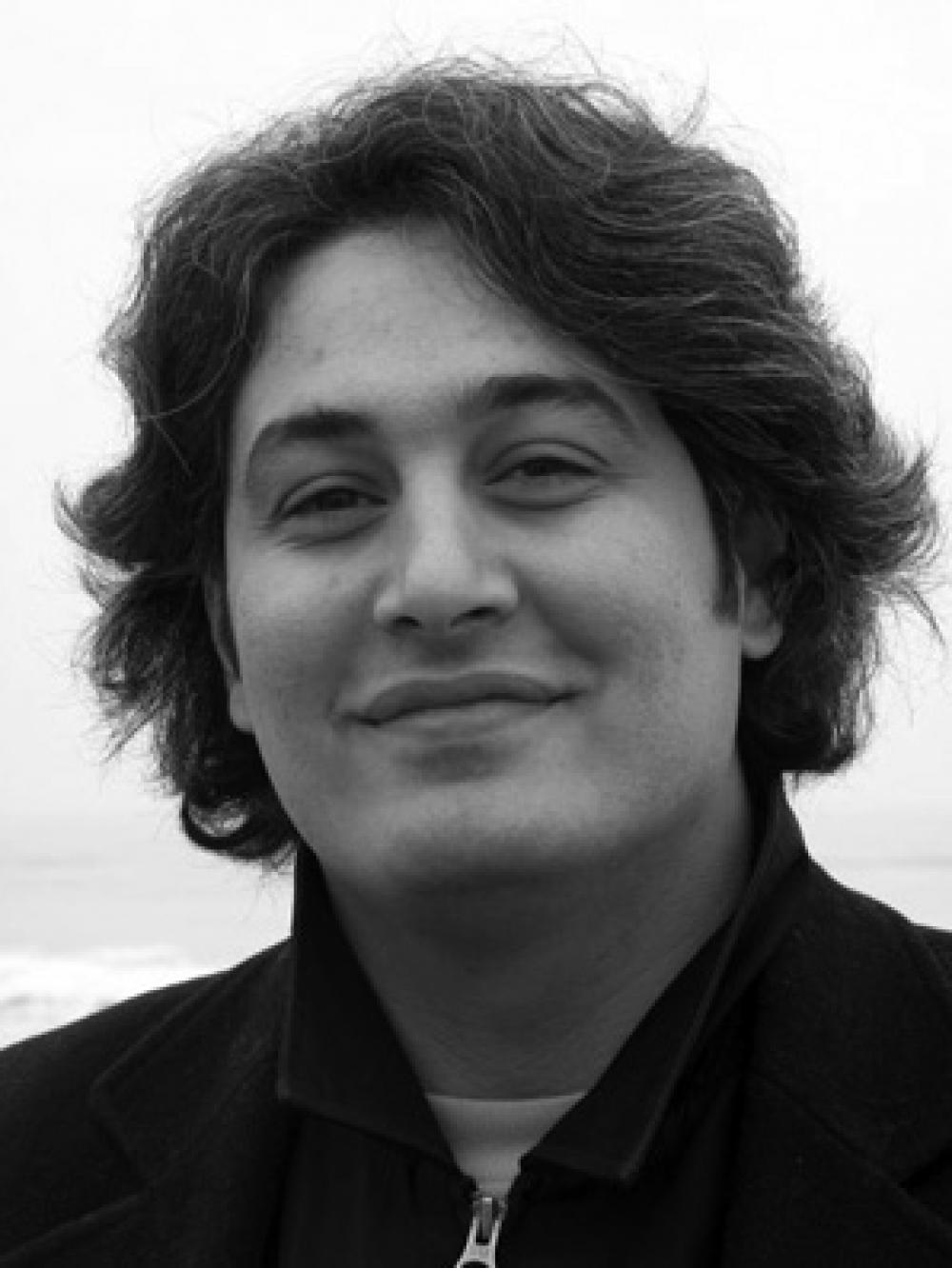
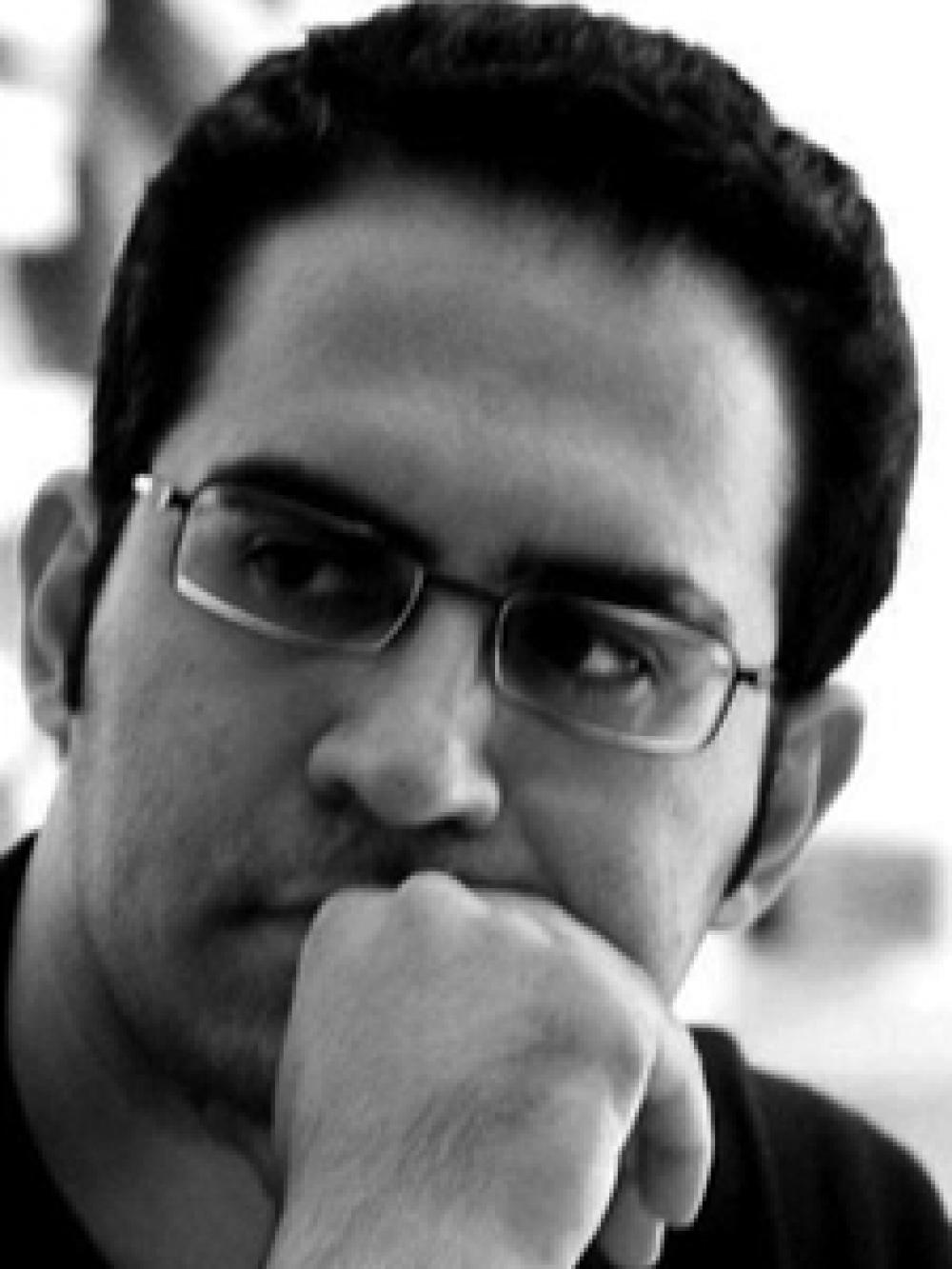
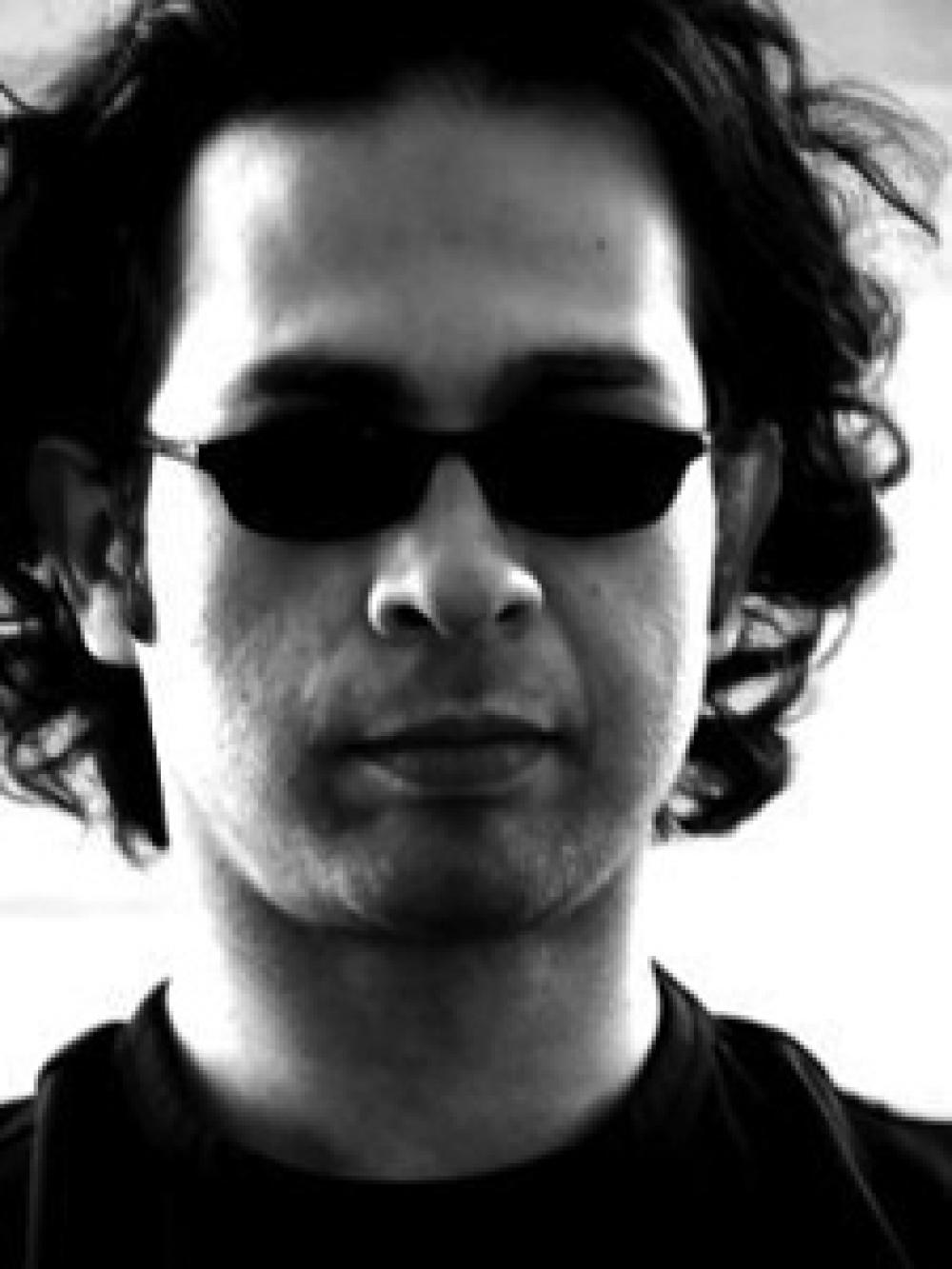
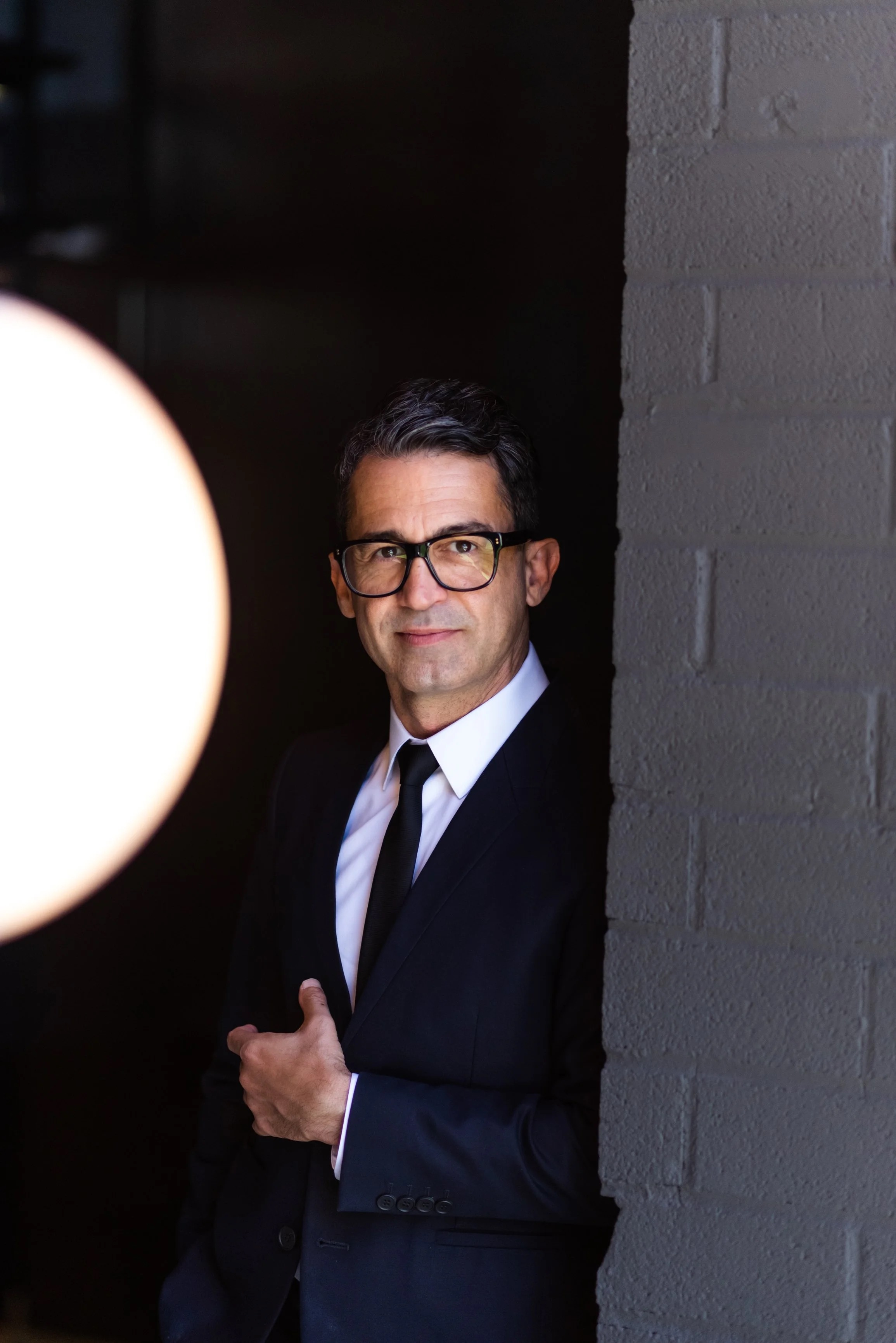
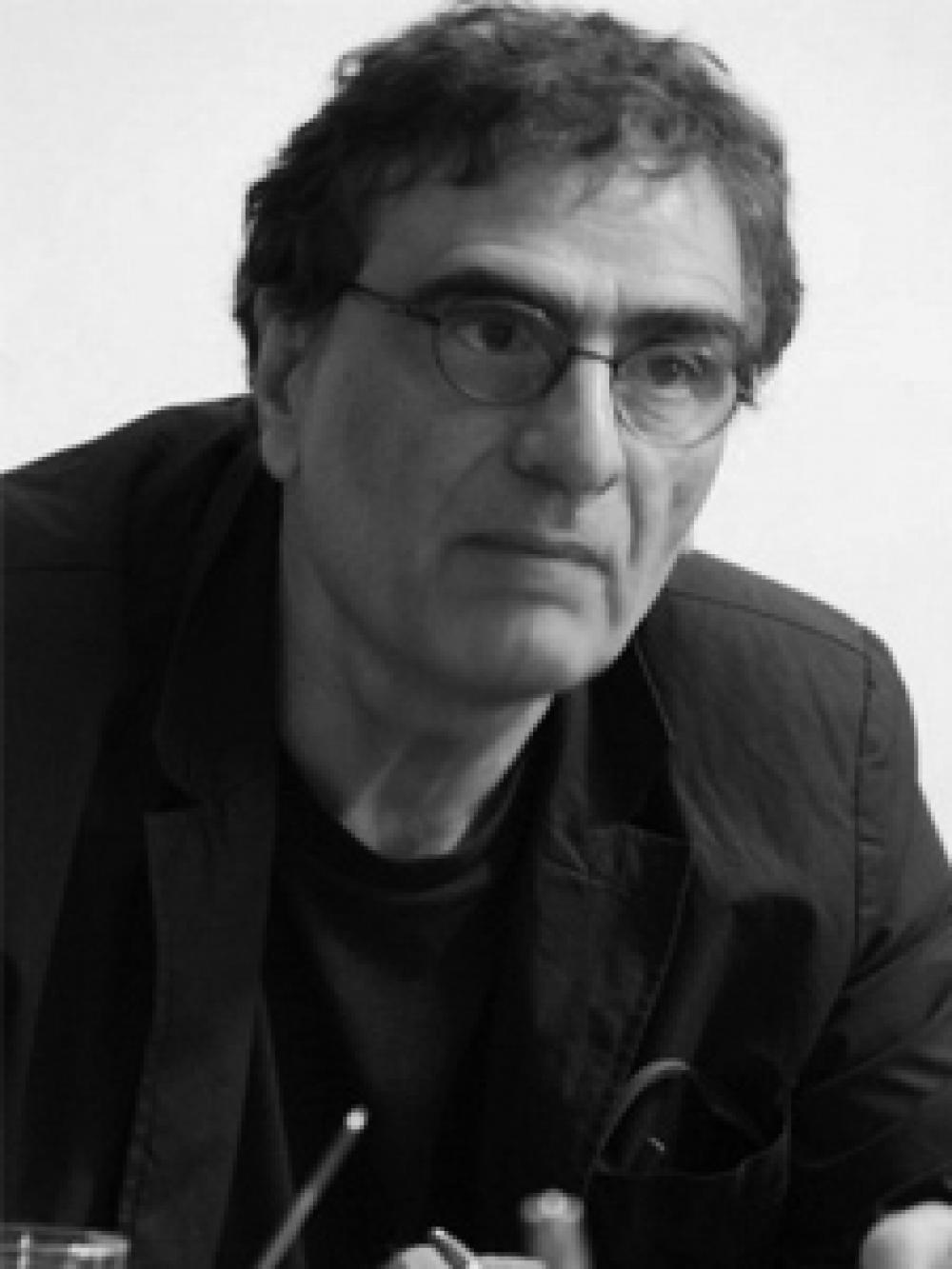
Arshia MahmoudiArshia Mahmoudi is an Iranian architect who served as a juror for the 15th Memar Architecture Award in 2015. He was part of the five-member jury panel that evaluated 164 submissions across four categories.
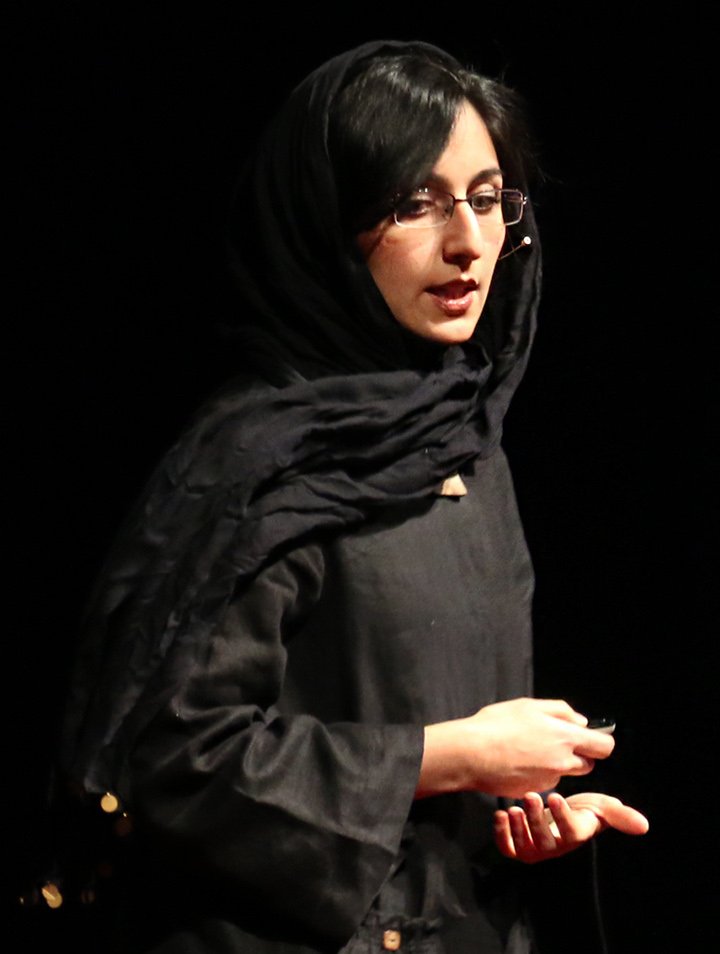
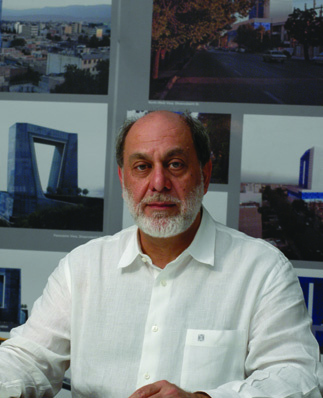
Farhad AhmadiFarhad Ahmadi was Born in 12 January 1951 (22 Dey 1329), Ahmadi graduated with honors from Tehran University in 1977. In addition to various professional achievements, since 1981 he has been a lecturer and syllabus designer for the architecture program at Beheshty University. Ahmadi has participated in various international biennials and was selected Architect from Asia at the Roros biennial in Norway. He has also been a lecturer at Trondheim and Bergen schools of Architecture. Two of his
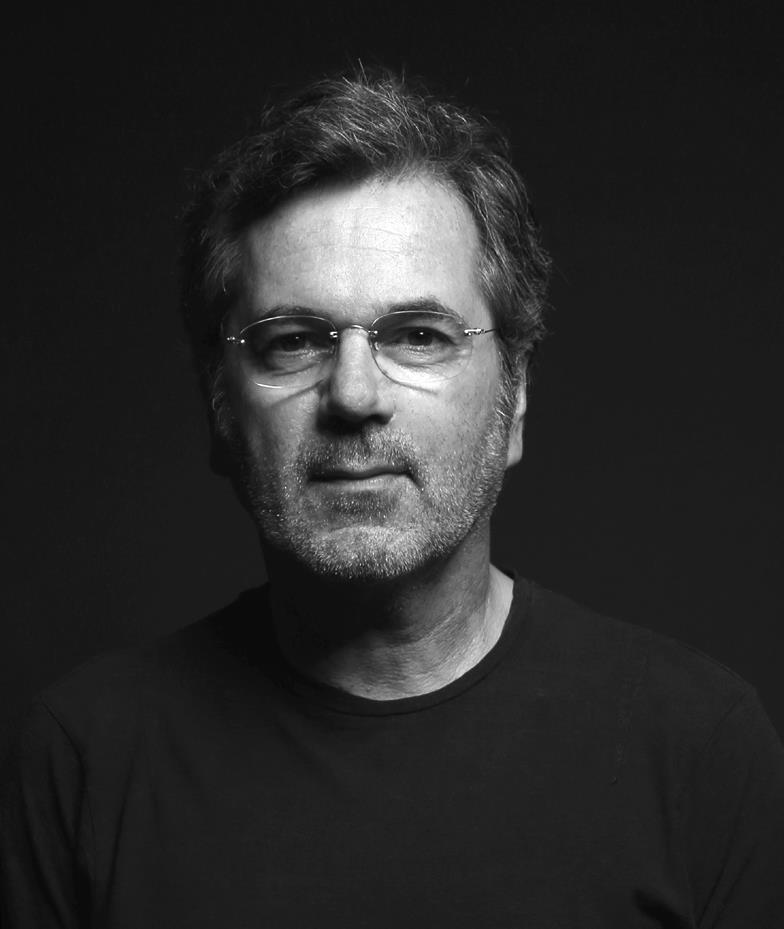
Han TumertekinHan Tumertekin (b. 1958, Istanbul) is a Turkish architect. B.Arch from Istanbul Technical University; M.Arch in historic preservation from the University of Istanbul. Founded Mimarlar ve Han Tumertekin in Istanbul (1986). Notable for adaptive reuse and material-driven design. Won the Aga Khan Award for Architecture (2004) for B2 House in Ayvacik. Major works include SantralIstanbul Energy Museum (2007), SALT Beyoglu and SALT Galata (2011), Catalhoyuk Archaeological Museum (2018), the Maiden's Tower restoration (2021–2023), and Rami Library (2024). First Turkish architect invited to the Venice Architecture Biennale main exhibition (2021). Received the Mimar Sinan Grand Prize (2024). Teaching since 1992 at Istanbul Bilgi University (co-founder of graduate program), Harvard GSD, EPFL Lausanne, and Ecole Speciale d'Architecture Paris. Author of "Han Tumertekin: Recent Work" (Harvard University Press, 2006, edited by Hashim Sarkis). Also established Atelier Han Tumertekin in Strasbourg (2014).




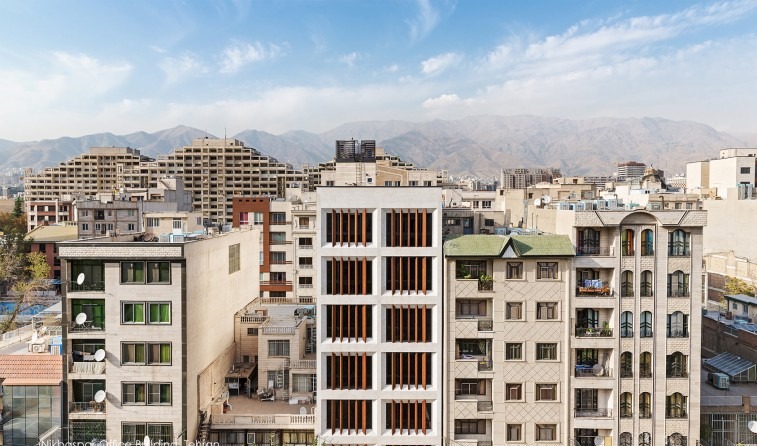
![[BW7]](https://images.memar.io/projects/bw7-tehran/001.jpg)