2005
Memar AwardMembres du jury

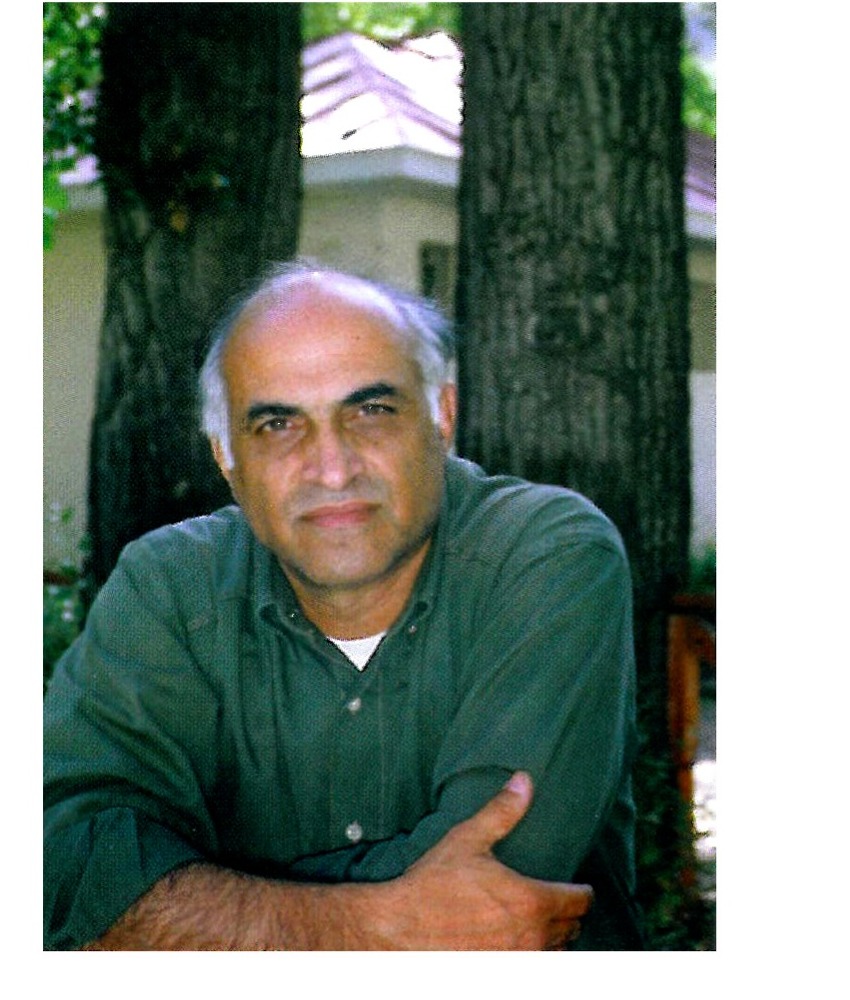
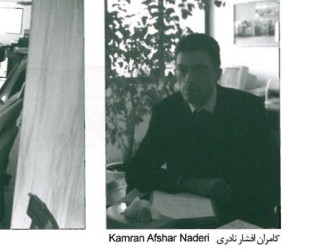
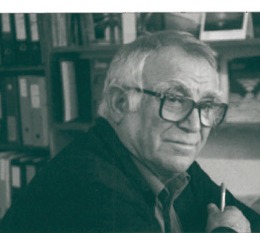
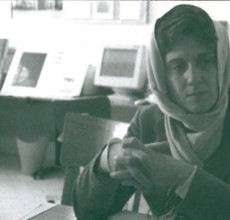
Iranian architect. Graduated from Tehran University (1966). Famous for designing Armita Tower, Kourosh Store Building, Quran Museum in the Presidential Complex, and the Islamic Parliament facade. Participated in approximately 90 projects. Founded Sharestan Consulting Company.

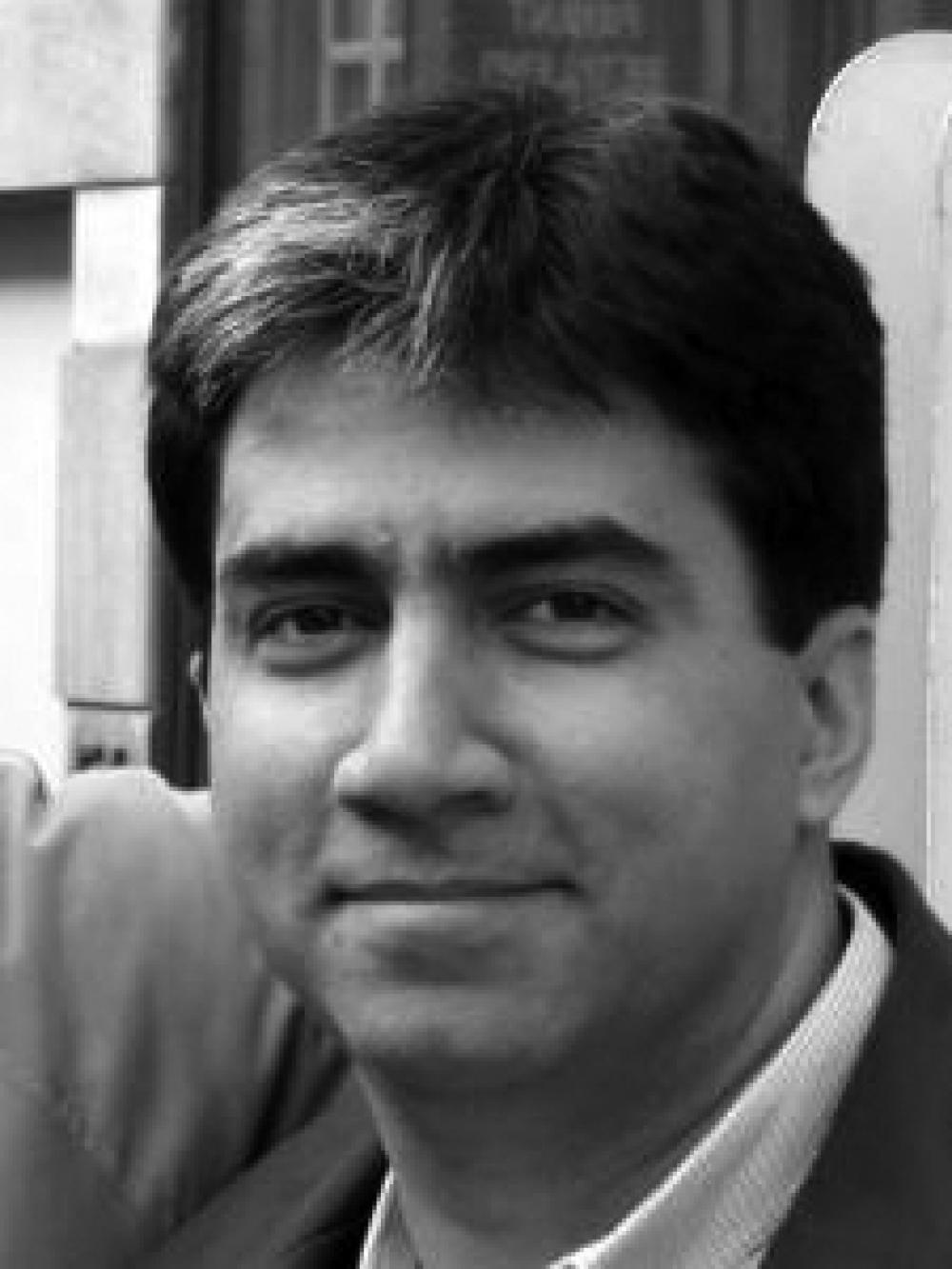
Hadi Tehrani is an Iranian-German architect known for his innovative approach to sustainable design. Based in Germany, he has received numerous international awards for his architectural work combining modern design principles with environmental consciousness. He served as a juror for the 5th Grand Memar Award in 2005.

Iranian architect, critic, and editor (b. 1959, Mashhad). Studied at University of Genoa (1985). Worked with Renzo Piano Building Workshop (1986-1993) on projects including Kansai Airport. Co-founded Memar Magazine (1998) — the very publication this database documents. Published ~150 articles and 3 books. Teaching at Azad and Soureh universities since 1993. Co-founded POL Institute, Isfahan.

Mehdi Alizadeh (born 1935) is one of Iran's most distinguished architects, known for designing some of the country's most iconic public and institutional buildings. He graduated in Architecture from the University of Tehran, Faculty of Fine Arts, and built a remarkable career spanning over four decades. His portfolio includes Hotel Laleh (formerly the Tehran Intercontinental Hotel), one of Tehran's most recognizable modernist landmarks; the Iran Center for Management Studies (now Imam Sadegh University); Shahid Bahonar University of Kerman; the Ararat Sport Complex; the Central Office of Behshahr Industrial Group; and the Conference Center of Toseye Saderat Bank. Alizadeh also served as a technical leader at Ove Arup and Partners in London, bringing international structural engineering expertise to his practice. He served on the jury panels of the 2nd and 3rd Memar Awards (2002–2003), evaluating the best of contemporary Iranian architecture alongside Pritzker laureate Fumihiko Maki and AA School chairman Mohsen Mostafavi.

Nasrine Seraji-Bozorgzad (b. 1957, Tehran) is an Iranian-French-British architect based in Paris. She studied medicine at Isfahan University before graduating from the Architectural Association (AA) in London (1983). Registered RIBA architect (1985), Fellow of RIBA (FRIBA, 2018). Founded Atelier Seraji Architectes & Associes (ASAA) in Paris (1990). Former Chair of Architecture at Cornell University (2001–2005), Dean at Ecole Nationale Superieure d'Architecture Paris-Malaquais, Professor and Head of Institute for Art and Architecture at the Academy of Fine Arts Vienna, and Head of Architecture at the University of Hong Kong. Currently Full Professor of Architectural Design at University College Dublin. Her practice spans cultural, educational, and residential projects across Europe and the Middle East, including the Caverne du Dragon Pavilion (1998), Linzerstrasse Apartments in Vienna (2003), Lille School of Architecture extension (2006), and Les Ateliers Jourdan-Corentin-Issoire housing complex in Paris (2017). Recipient of the Chevalier de la Legion d'Honneur (2011), Officier de l'Ordre National du Merite (2016), and Silver Medal of the French Academy of Architecture (2008). Author of several books including "Logement, Matiere de Nos Villes" (2007) and co-editor of "From Crisis to Crisis" (2019).

À propos de cette édition
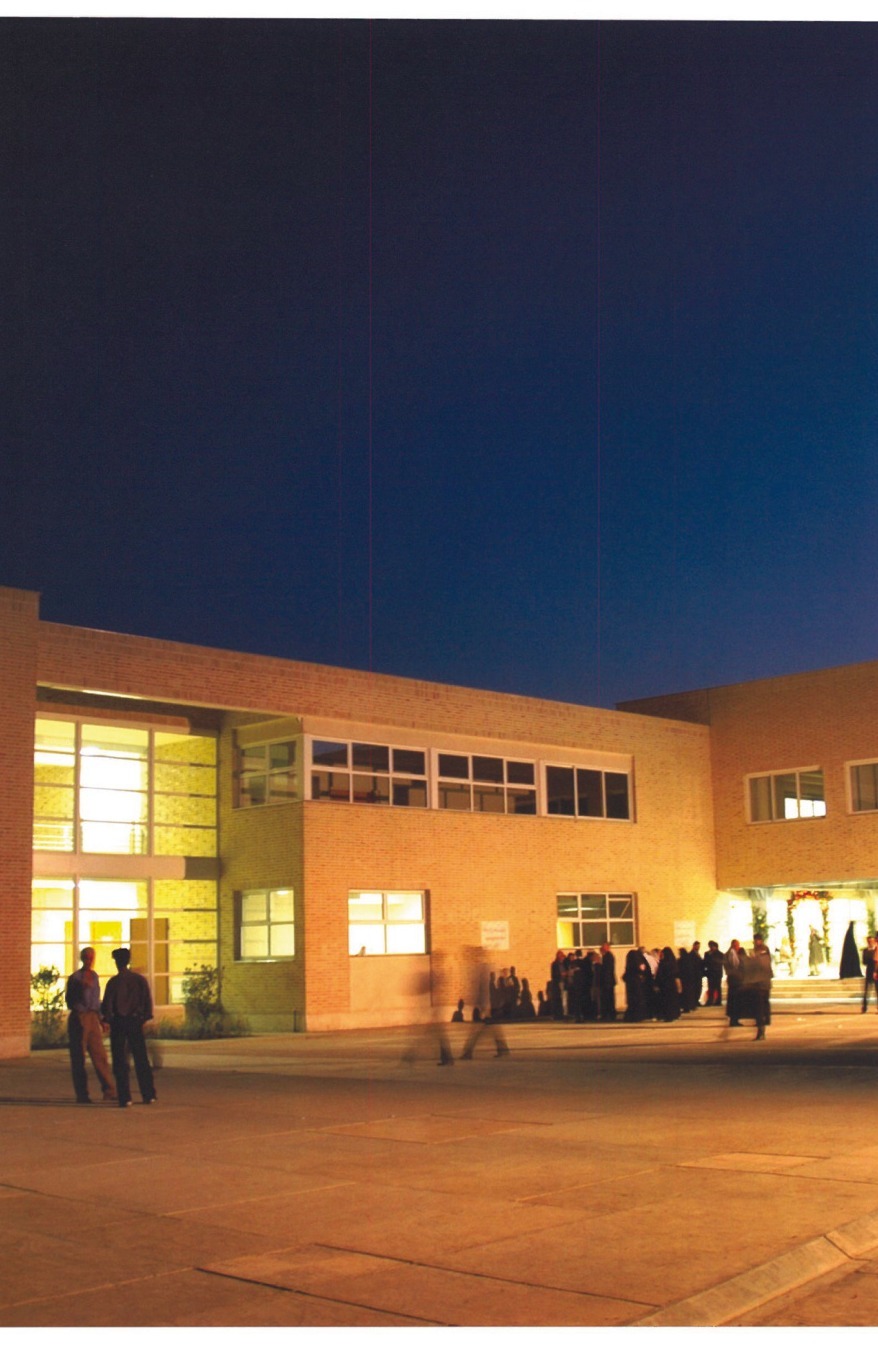
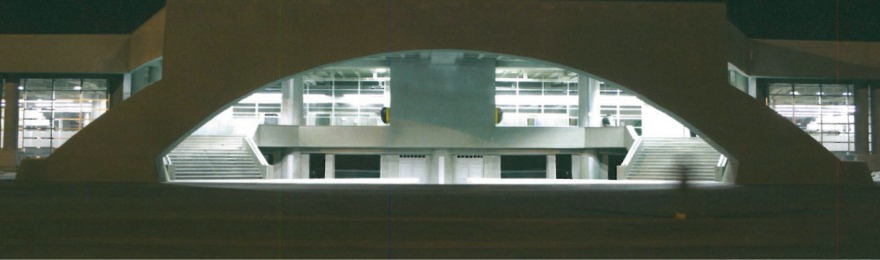
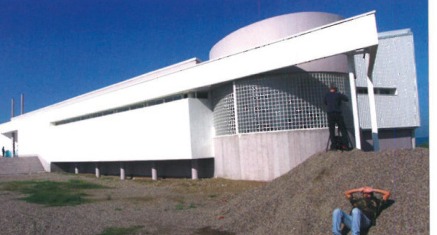
The 5th Grand Memar Award (2005) was dedicated to public buildings, excluding healthcare facilities and small businesses. Forty-four projects competed in this edition. A policy council of distinguished architects — Nezameddin Nizam Ameri, Moises Mahyardad, Behzad Kamrava, and Kavous Shahrotin — advised the jury on evaluation criteria. The council's policy document addressed the importance of architectural identity in Iran, the role of climatic and regional considerations in design, and the relationship between architects, contractors, and the construction industry. After a three-phase elimination process, the jury selected 12 finalists and ranked 5 winners. The ceremony also featured a tribute to the pioneering architect Abdolaziz Farmanfarmaian for his lifetime contributions to Iranian architecture.
Statistiques
Processus de jugement
The judging process consisted of three elimination phases. In the first two phases, jurors independently reviewed all 44 submissions and eliminated 19 projects based on overall quality and adherence to the award criteria. In the third phase, the remaining projects were evaluated more closely through group discussion, with jurors debating the architectural merits, construction quality, and contextual sensitivity of each work. Projects were scored individually by each juror. The five jurors — Behrouz Ahmadi, Kamran Afshar Naderi, Hadi Tehrani, Nasrin Seraji, and Mehdi Alizadeh — then conducted a final ranking session where each juror assigned scores to the shortlisted projects. The final placement was determined by aggregate scores.