Jury Report — 15th Memar Award
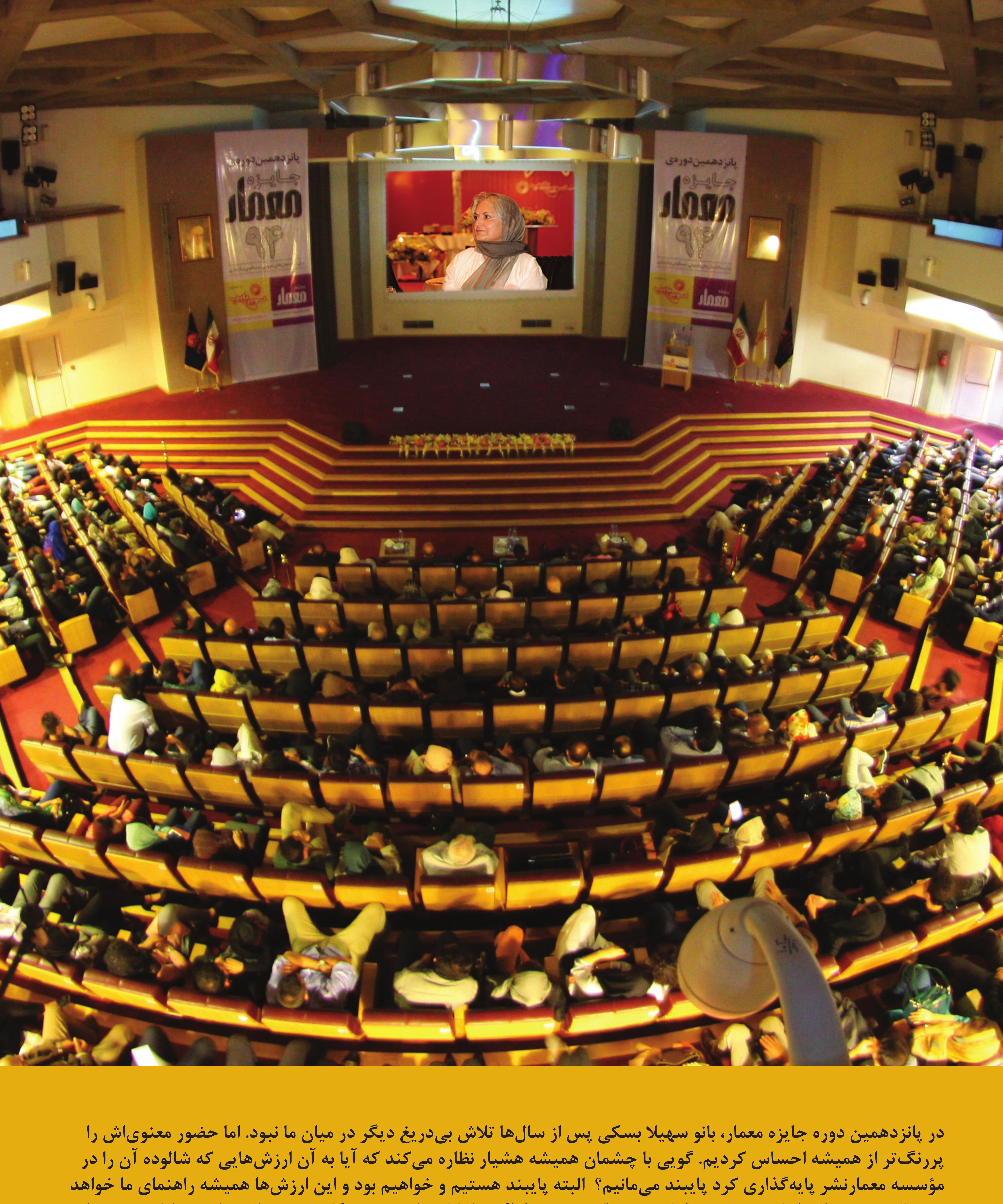
At the 15th Memar Award, Mrs Soheila Beski — after years of tireless effort — was no longer with us. Yet we felt her spiritual presence more strongly than ever. As if with her ever-watchful eyes she were observing whether we remain faithful to the values upon which she founded the Memar Publishing Institute. Indeed we are faithful and will remain so, and these values will always guide us: integrity, defence of professional values at any cost, an inclusive vision (permitting different viewpoints to participate in Memar magazine, the Memar Award and other activities of the Memar Publishing Institute, insofar as they remain within the language of architecture), and a commitment to maximum possible productivity. We strive, in the hope that young architects may once again bring Iranian architecture to its days of brilliance, and that hundreds of flowers may blossom along this path.
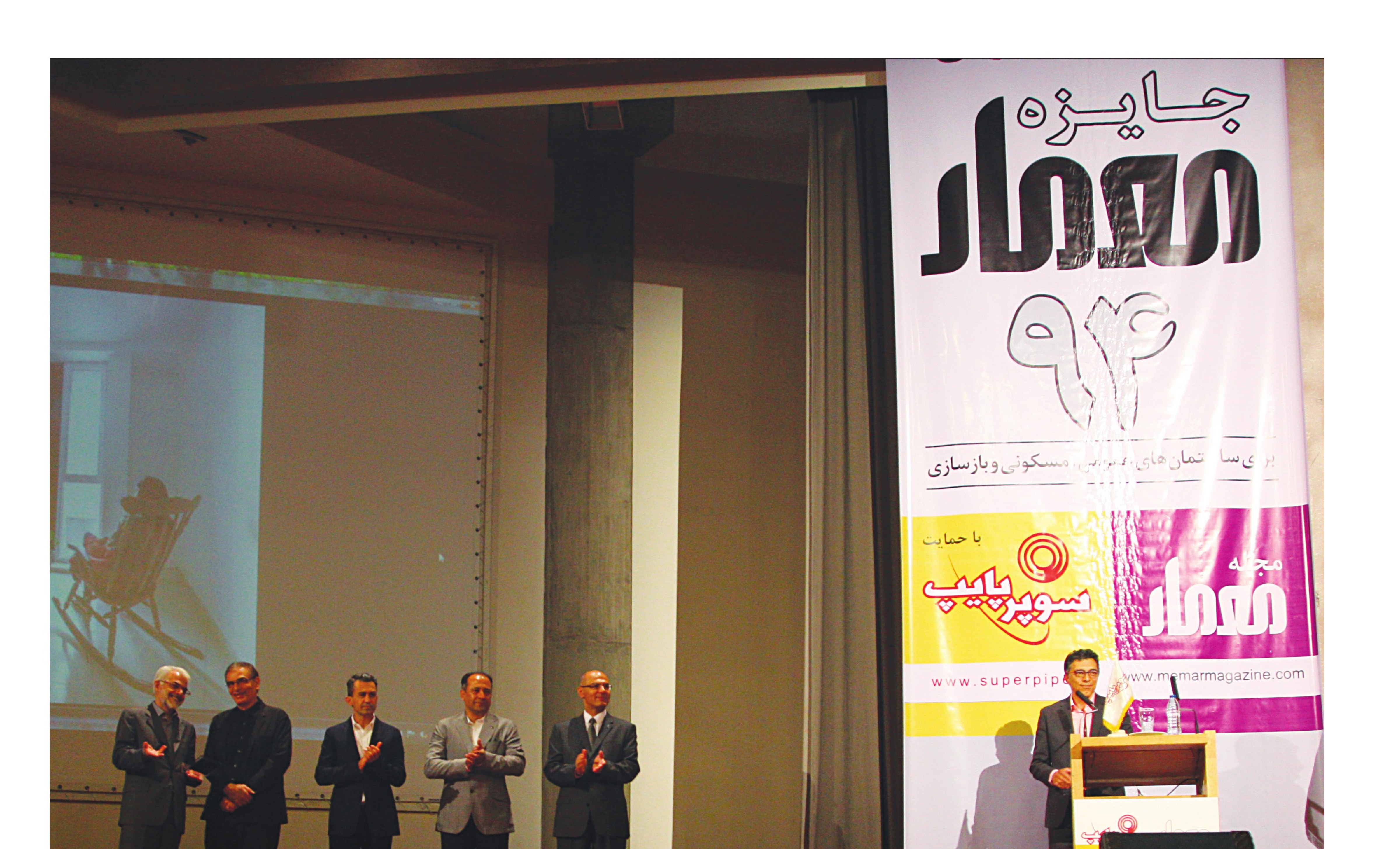
The 15th Memar Award competition was held over two stages, with 164 entries. In the first stage, semifinalists in each of the four categories were chosen from among the projects submitted, and were asked to present further documents for the second stage of jury review.
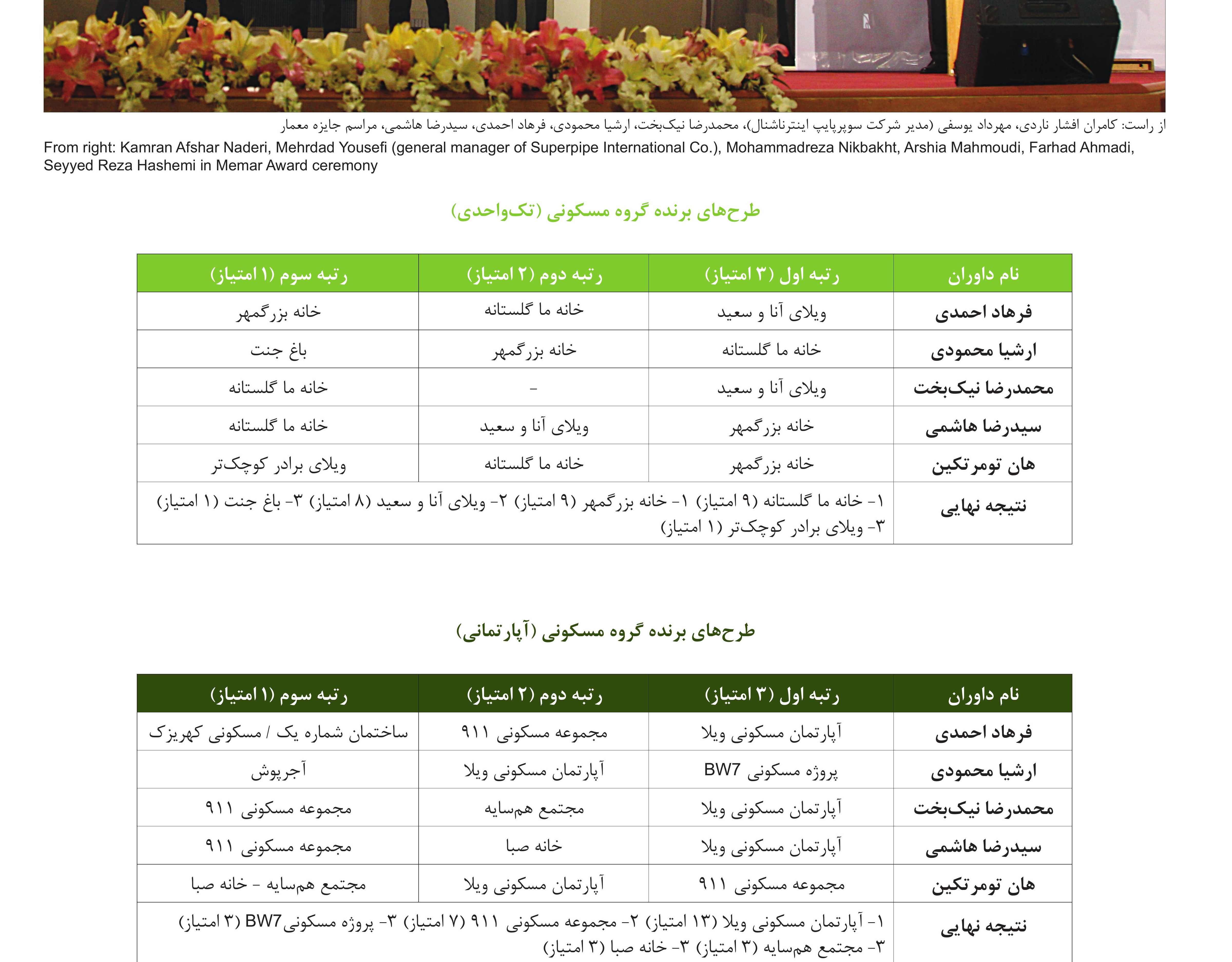
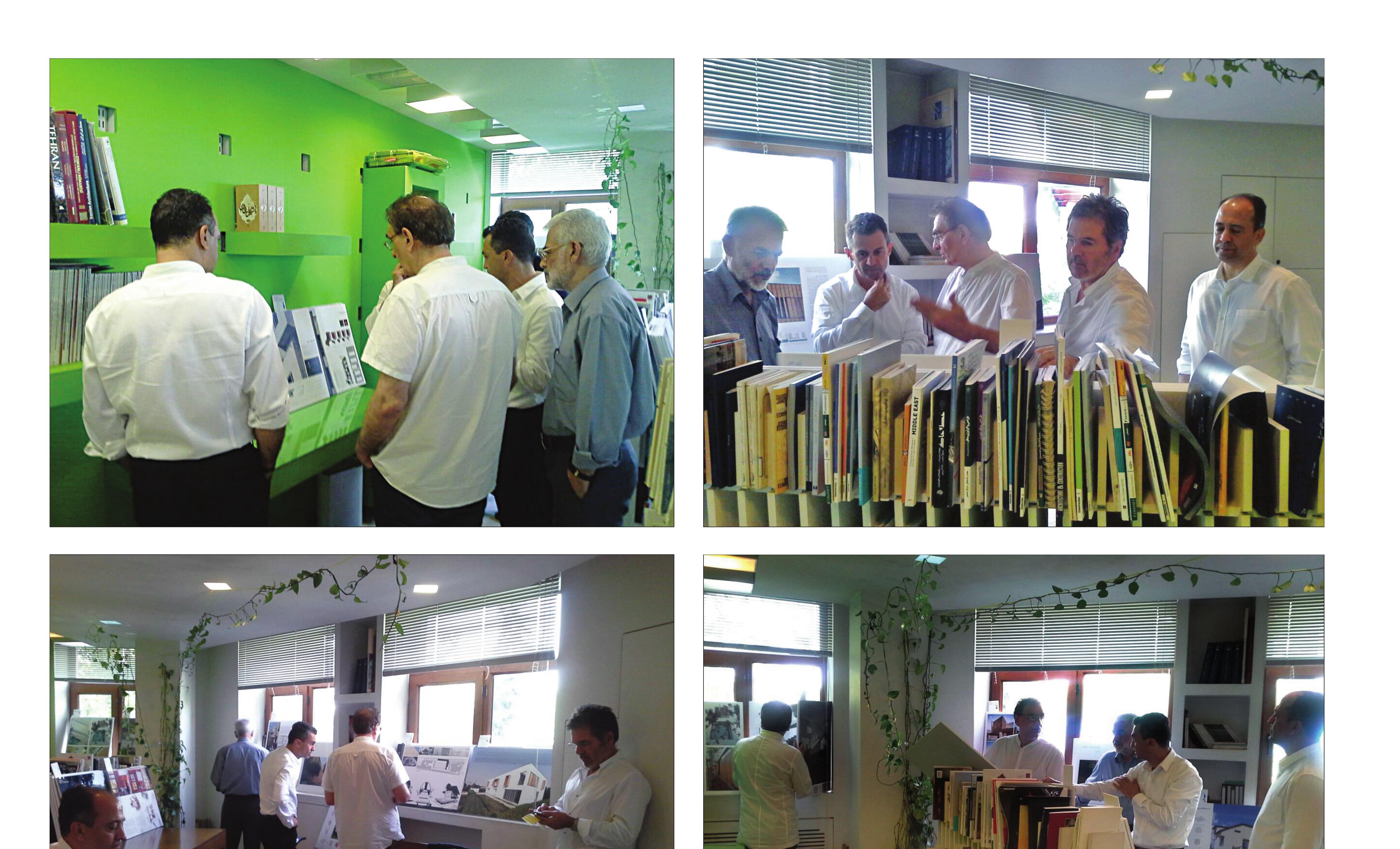
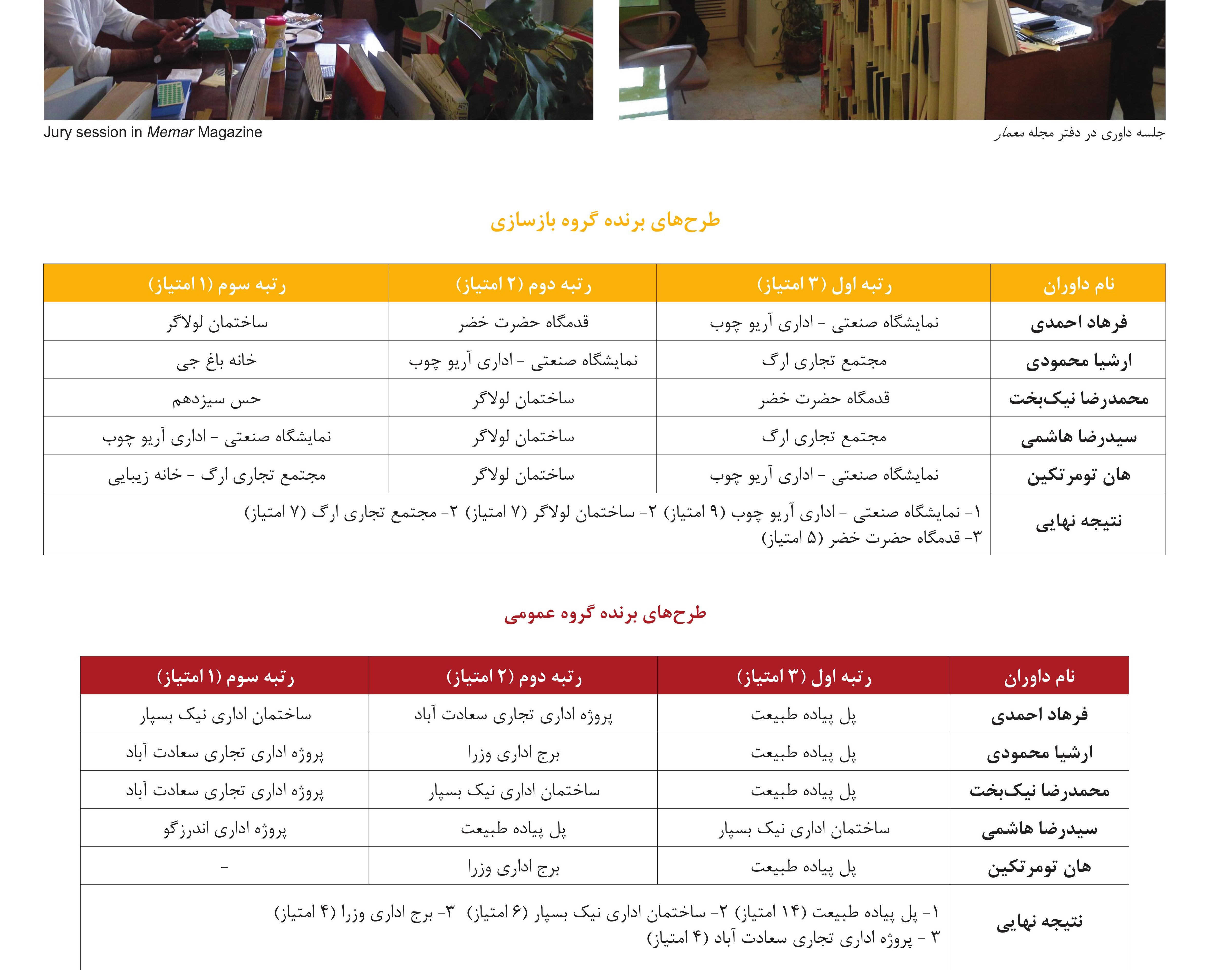
The second stage of jury review was held on 11 Mehr (3 October), with Han Tümertekin and Arshia Mahmoudi joining the existing jurors — Seyyed Reza Hashemi, Mohammadreza Nikbakht and Farhad Ahmadi.
Han Tümertekin, a Turkish architect, replaced Mrs Catherine Falkner, who had earlier been announced as a juror but could not attend due to visa difficulties.
Jury criteria, programme and procedure for the Memar Award projects are as follows:
Jury criteria:
— Creativity and innovation in design, and innovation in the use of materials and building technologies
— Creative response to specific project constraints, including: economic limitations, particular site conditions of dimensions and proportions, regulatory and legal frameworks (especially in cities), technical difficulties, etc.
— Precision and innovation in detail design
— Attention to surrounding context and climatic conditions, environmental values and social commitments
It should be clear that the final judgment on each project is not by scoring each of the above criteria separately and averaging the scores, but by judging the project as a whole.
Programme and procedure of jury review: All projects are divided into four groups — Apartment Buildings, Individual Dwellings, Public Buildings and Renovation — and each group goes through the following stages:
1. All projects within a group are placed simultaneously before the jurors so that, after viewing all of them, any work that all jurors reject is set aside. Even if a single juror argues for keeping a project, it will not be eliminated. Each juror is given a sheet of stickers to use in this process.
2. From the semifinalists, each juror — independently and without ranking — selects their preferred projects using a sticker that this time indicates a positive vote. Any work not selected by any juror as a preferred project is set aside. The selected works become the Finalists.
3. Each juror, separately, chooses their first, second and third place from among the finalists. Three points are awarded to first, two to second and one to third. The sum of points from all jurors determines the first, second and third place.
4. The jurors may, from among the finalists, declare some to be worthy of Honourable Mention. If the others agree, this designation becomes final.