Semifinalists — Public Buildings
The Editor
Post-Revolution Residential Architecture

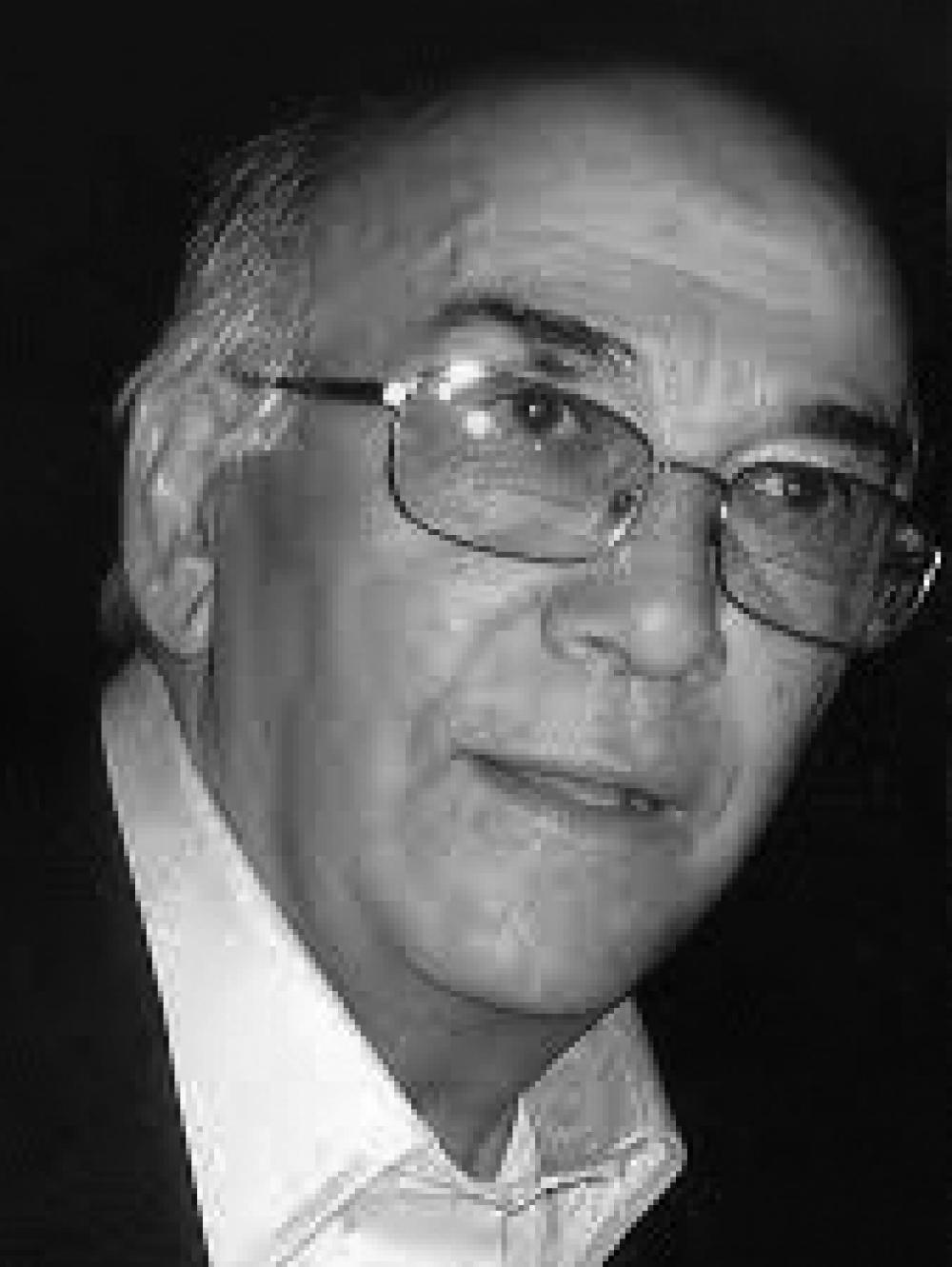
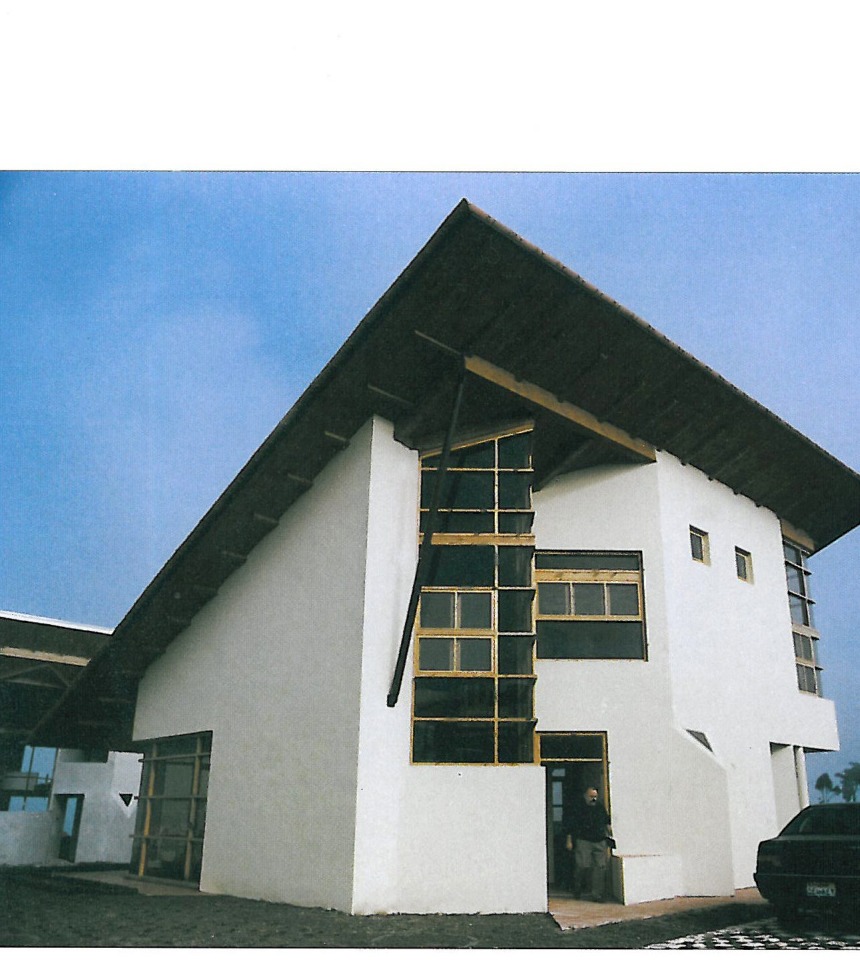
Iranian architect (b. 1943, Zanjan). Masters from Tehran University (1967), doctorate from University of Pennsylvania under Louis Kahn (1976). Known for projects including Shomal House, Afshar House, Performing Art Center, and Iranian Embassy in Albania. Subject of critical review in Memar 03.
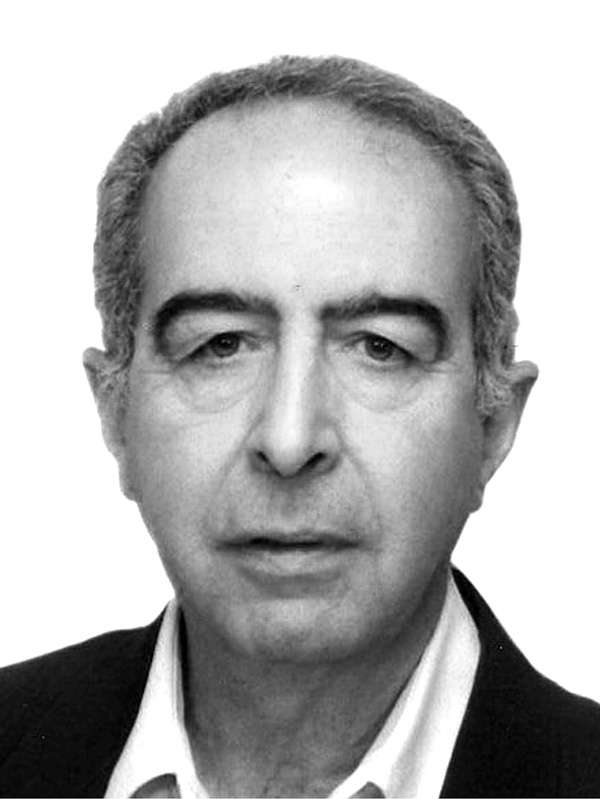
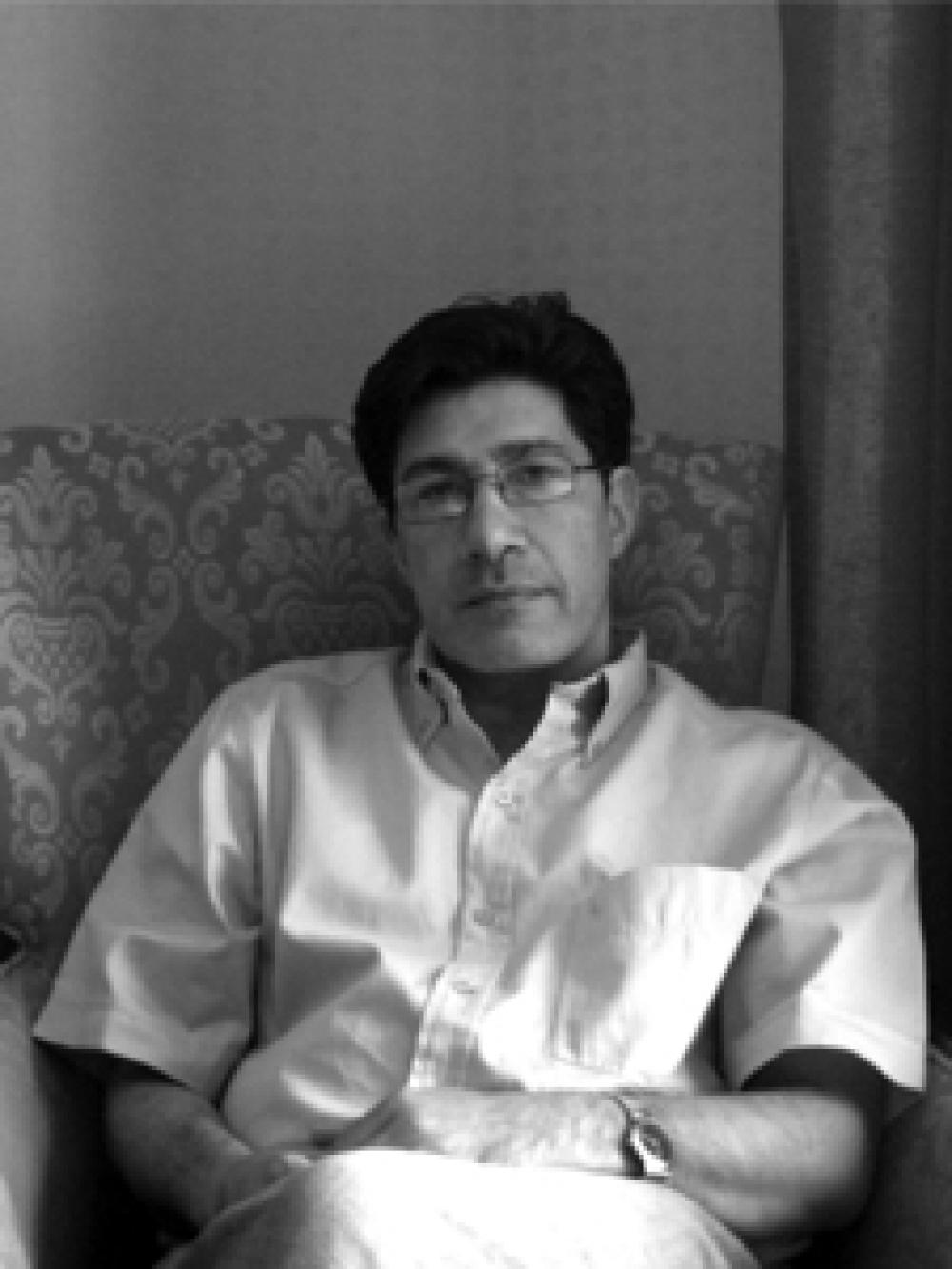
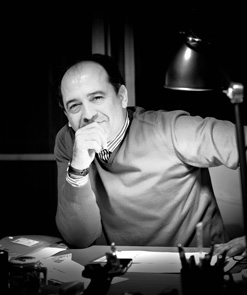
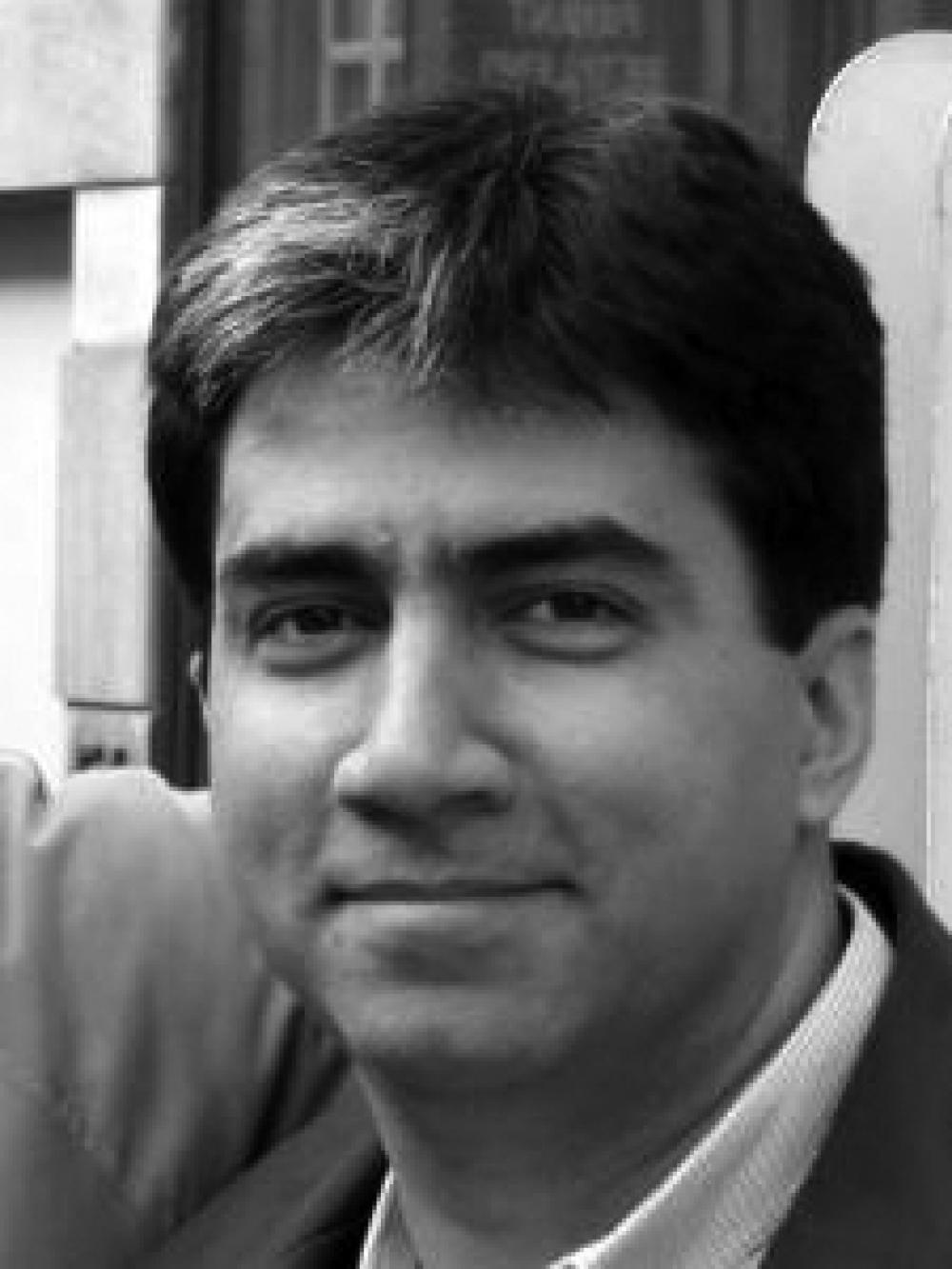
Kambiz Nazeramoo is an Iranian architect and academic. He has been active in both architectural practice and education, contributing to the discourse on contemporary Iranian architecture. He served as a jury member for the 2nd Grand Memar Award in 2002, evaluating post-revolution residential architecture across Iran.

Iranian architect, critic, and editor (b. 1959, Mashhad). Studied at University of Genoa (1985). Worked with Renzo Piano Building Workshop (1986-1993) on projects including Kansai Airport. Co-founded Memar Magazine (1998) — the very publication this database documents. Published ~150 articles and 3 books. Teaching at Azad and Soureh universities since 1993. Co-founded POL Institute, Isfahan.

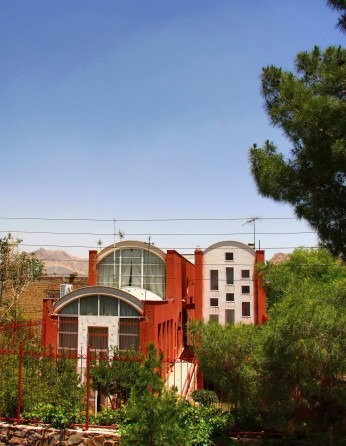
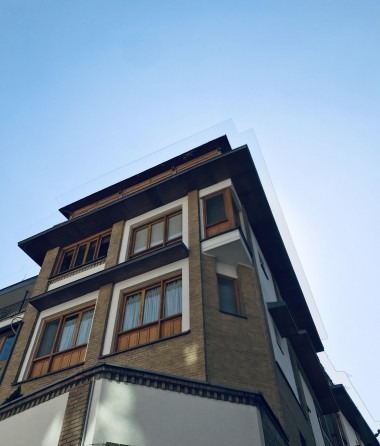
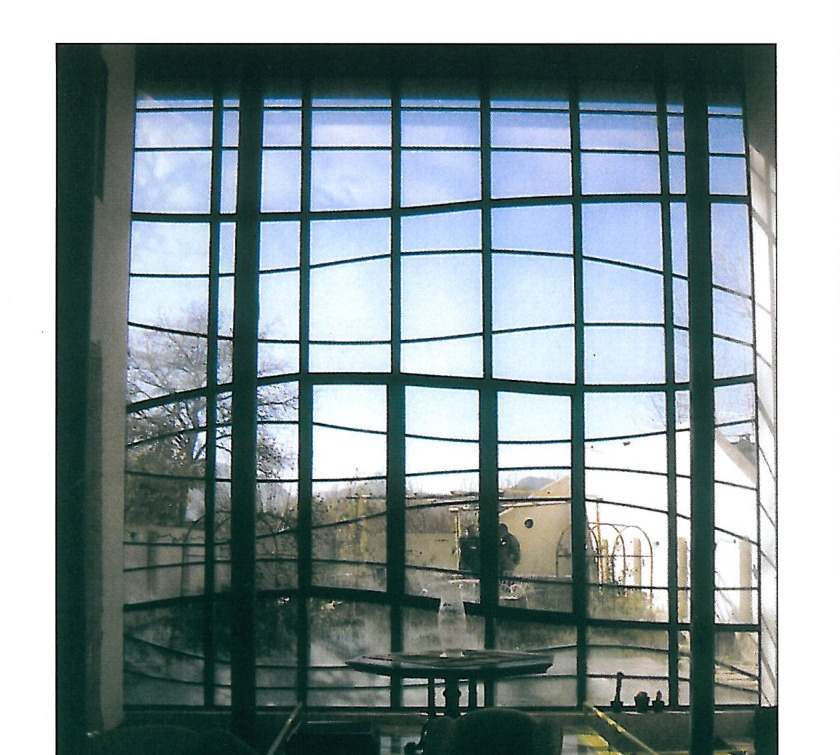
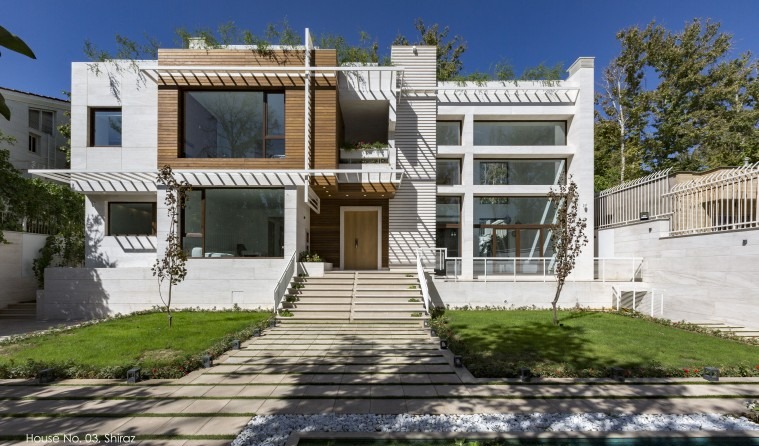
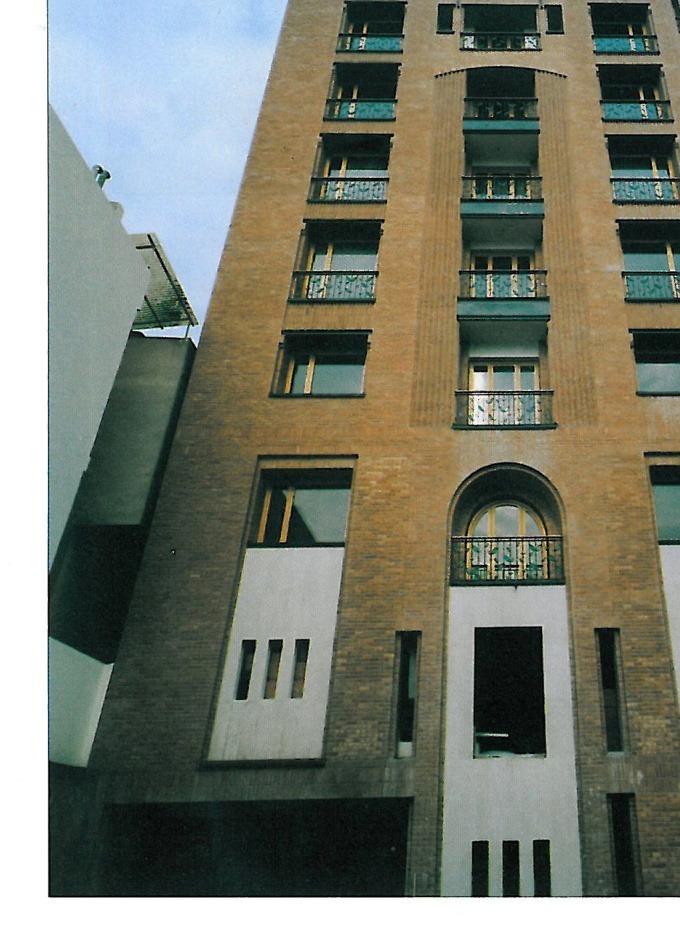
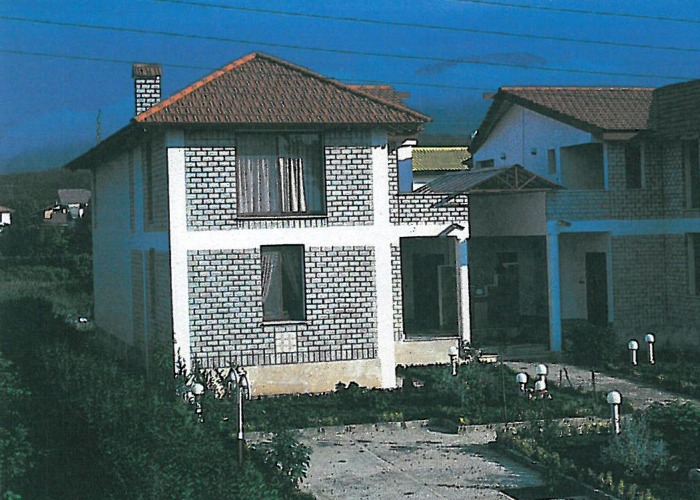
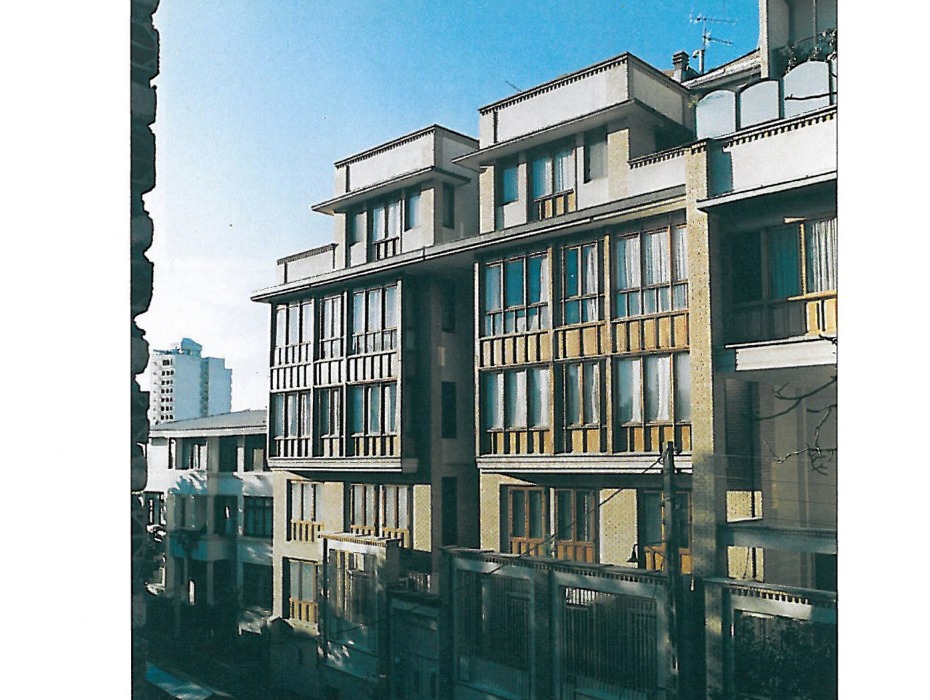
The 2nd Grand Memar Award focused on post-revolution residential architecture in Iran, examining the trajectory and quality of housing design from 1979 onward. Approximately 100 works were submitted for consideration, from which the five-member jury initially identified 200 notable residential projects as works of merit. Through subsequent rounds of deliberation, the panel narrowed this field to 20 selected works representing the finest achievements in three categories: Individual Dwellings, Apartment Buildings, and Residential Complexes. From these 20, the jury ranked the top five projects. The winning projects demonstrated a range of approaches to contemporary Iranian residential design, from the inventive spatial layering of the Sadri Residence in Isfahan to the vernacular sensibility of the Elahiyeh Residential Building in Tehran, and from the renovation-focused Navvab Safavi House to the conceptual experimentalism of House No. 3 in Shiraz. The award highlighted both the vitality and the challenges facing residential architecture in post-revolution Iran.
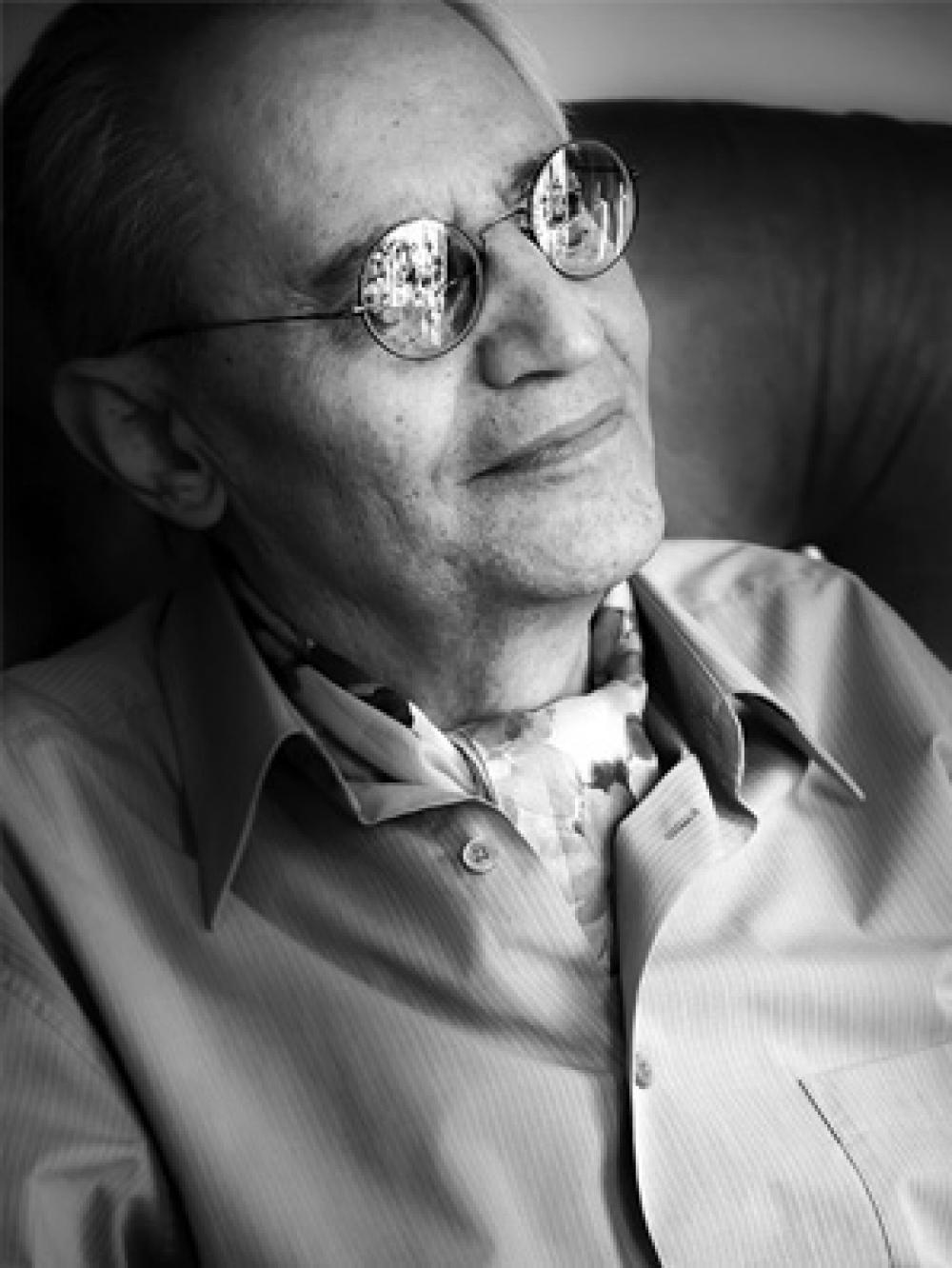
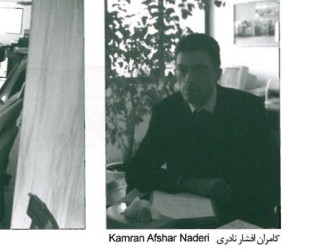
The jury comprised five distinguished architects: Mehdi Alizadeh, Hadi Mirmiran, Ali Akbar Saremi, Kambiz Nazeramoo, and Kamran Afshar Naderi. All submissions were reviewed collectively by the full panel. In the first round, the jury identified approximately 200 works as 'good works' deserving recognition. Through progressive rounds of evaluation and discussion, the jury narrowed these to 20 selected works across three residential categories (Individual Dwellings, Apartment Buildings, and Residential Complexes). Finally, the top five projects were ranked by consensus, with the remaining 15 designated as jury selections.
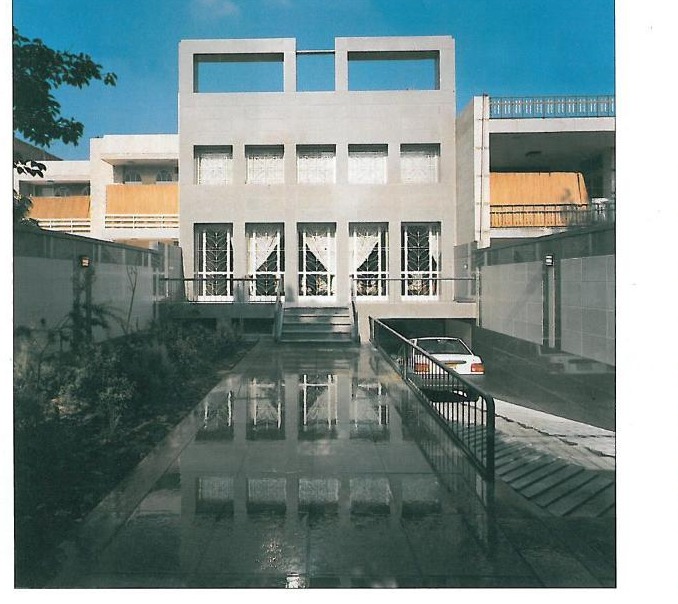

Isfahan · 1997
Building Materials
Mehrdad Yousefi · Managing Director