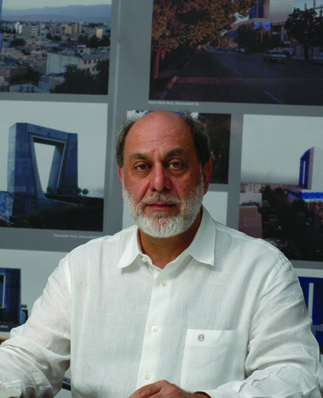
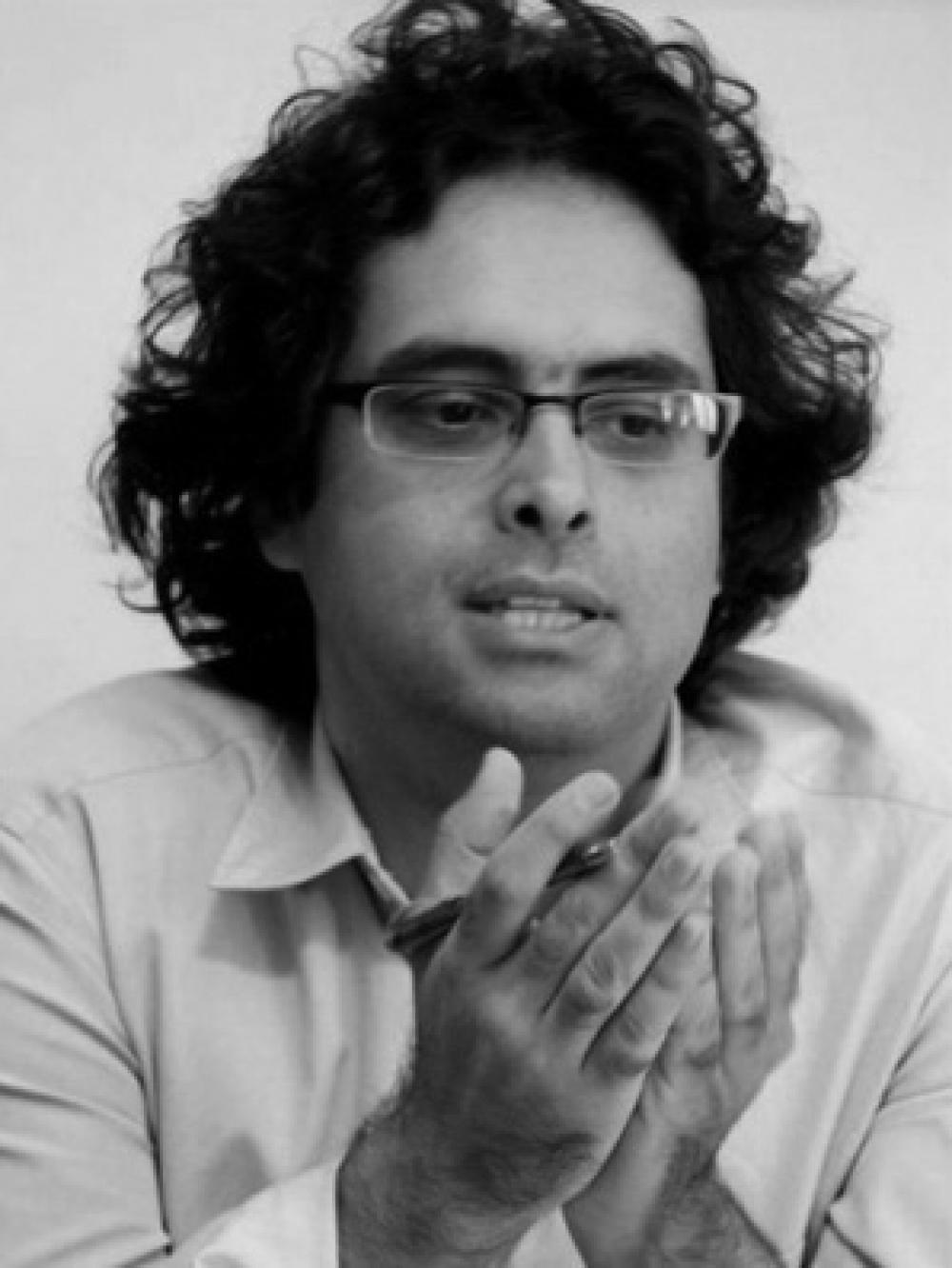
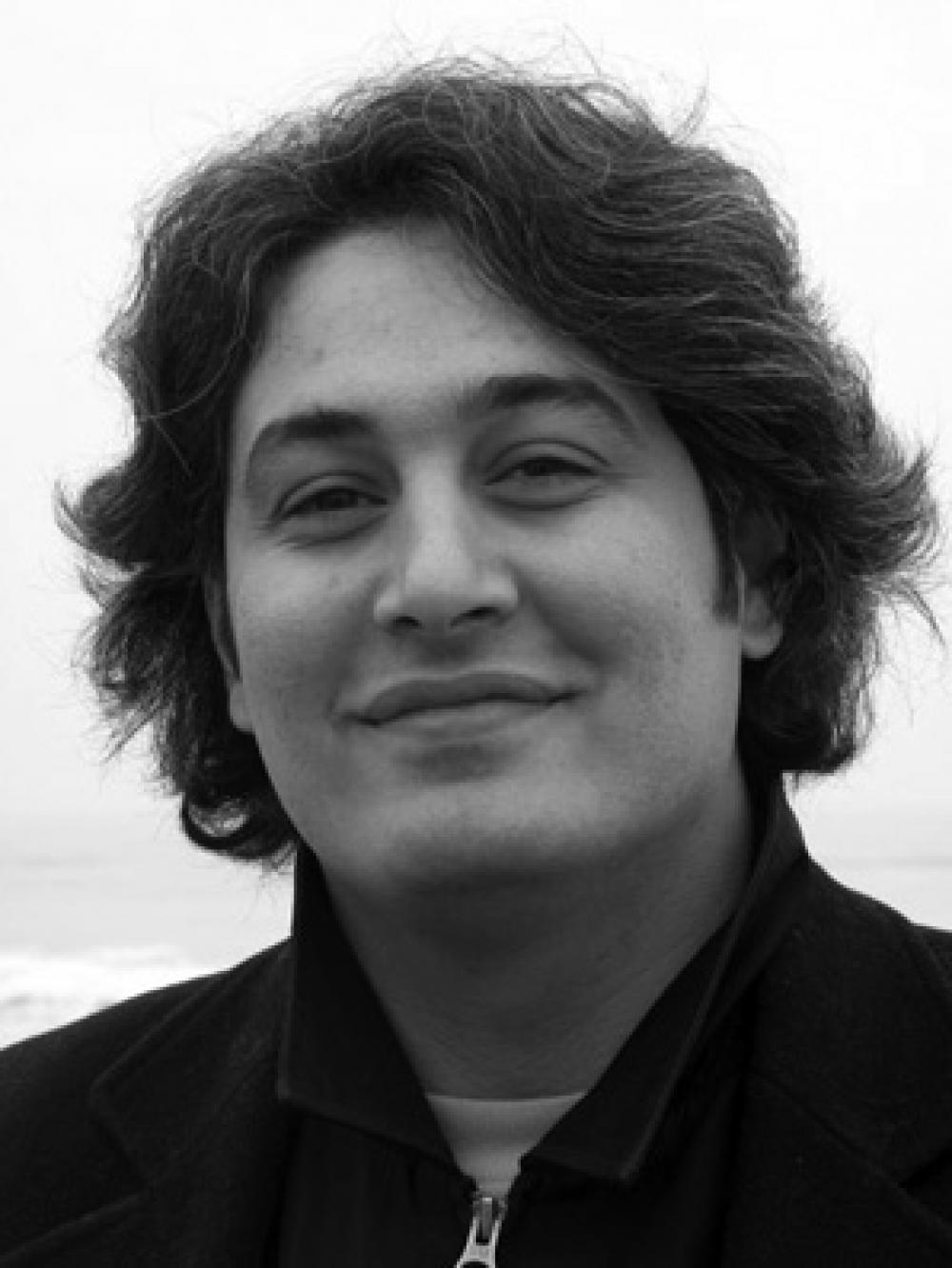
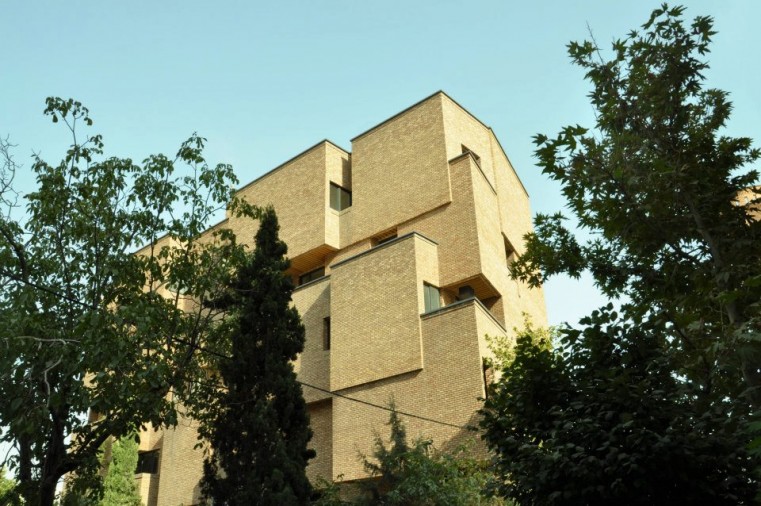
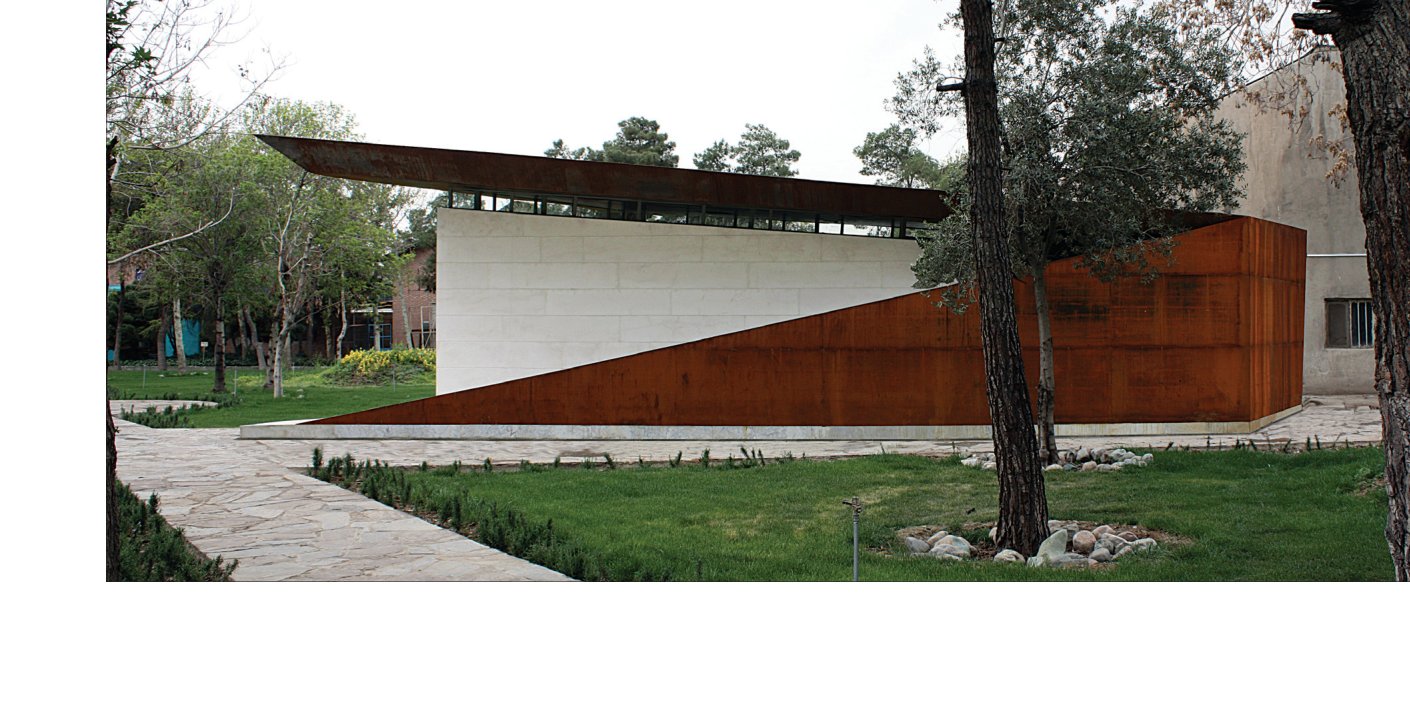
Bahram ShirdelIranian architect (b. 1951) internationally recognized for his work in interdisciplinary architecture and fold/folding architecture. Graduated from the University of Toronto (1978). Has taught at the Architectural Association (London), Harvard GSD, University of Houston, Georgia Tech, University of Chicago, SCI-Arc, and Ohio State University. Founded Shirdel and Partners in Tehran (1997), previously practicing as Shirdel and Kipnis Architects in London and Aks-Runo in Los Angeles. Recipient of the Christopher Wren Medal (Canada) and CGA Gold Medal for city planning (China). Work exhibited at Venice Biennale (1984) and MoMA New York (1992). Notable projects include the Alexandria Library (Egypt), Sara conference hall (Japan), and the National Museum of Water (Iran).
Chris BosseChris Bosse is a German architect and co-founder of LAVA (Laboratory for Visionary Architecture), a global practice with studios in Sydney, Berlin, Stuttgart, and Ho Chi Minh City, known for biomimicry-inspired and digitally fabricated architecture. He first gained international recognition as the lead designer of the Beijing National Aquatics Centre (the "Water Cube") at PTW Architects, the iconic bubble-membrane structure built for the 2008 Summer Olympics, for which he received the RIBA Emerging Architects Prize.
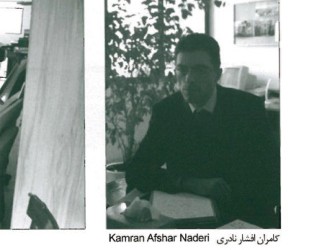
Kamran Afshar NaderiIranian architect, critic, and editor (b. 1959, Mashhad). Studied at University of Genoa (1985). Worked with Renzo Piano Building Workshop (1986-1993) on projects including Kansai Airport. Published ~150 articles and 3 books. Teaching at Azad and Soureh universities since 1993. Co-founded POL Institute, Isfahan.
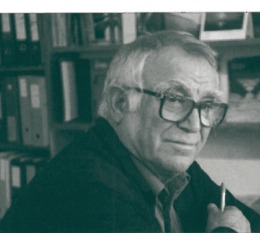
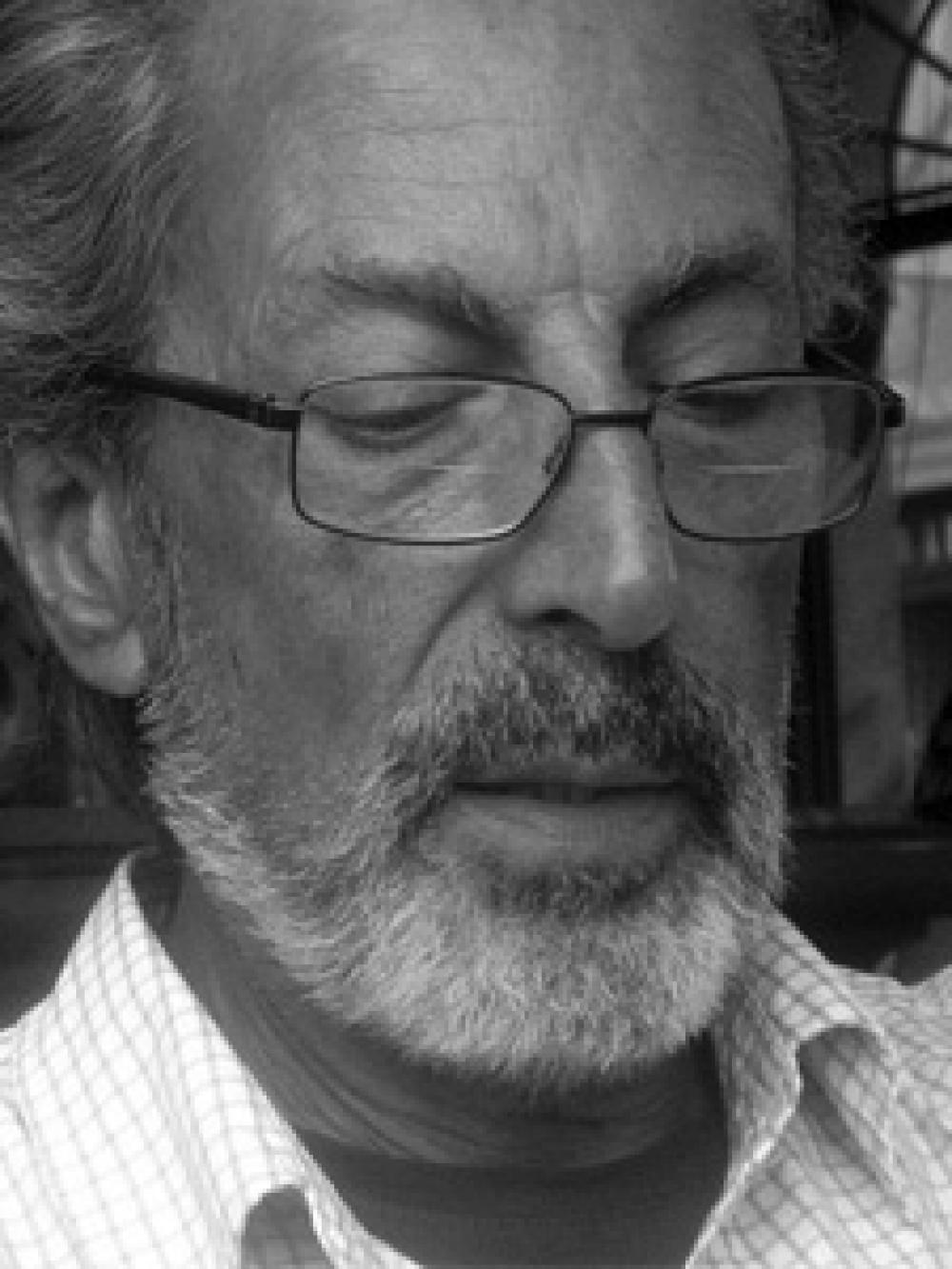
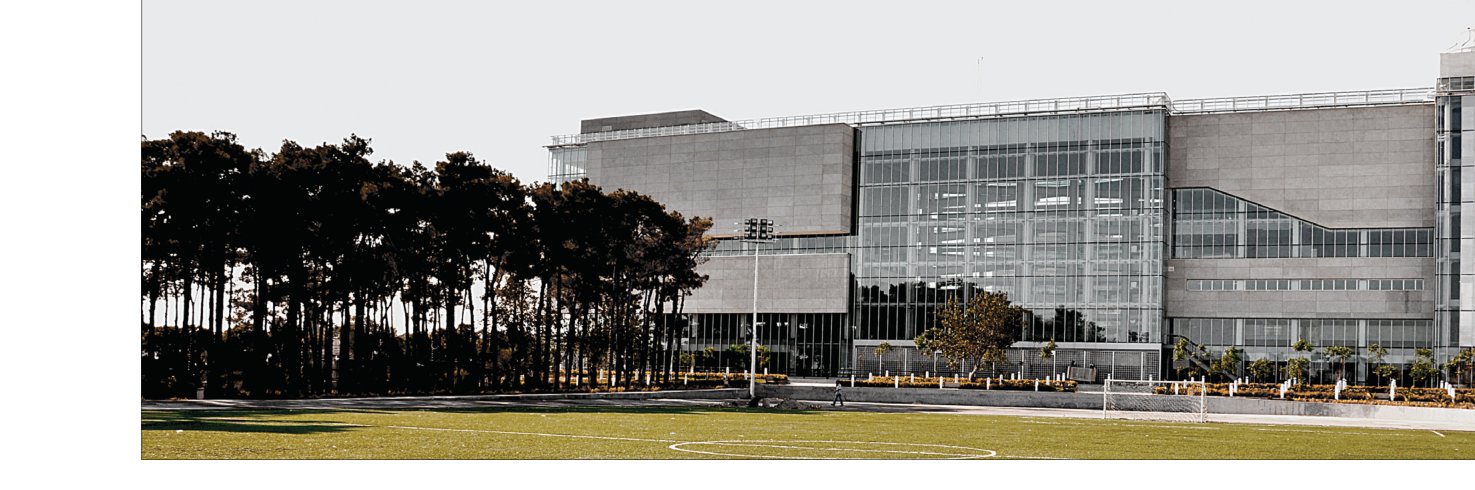
Mehdi AlizadehMehdi Alizadeh (born 1935) is one of Iran's most distinguished architects, known for designing some of the country's most iconic public and institutional buildings. He graduated in Architecture from the University of Tehran, Faculty of Fine Arts, and built a remarkable career spanning over four decades. His portfolio includes Hotel Laleh (formerly the Tehran Intercontinental Hotel), one of Tehran's most recognizable modernist landmarks; the Iran Center for Management Studies (now Imam Sadegh University); Shahid Bahonar University of Kerman; the Ararat Sport Complex; the Central Office of Behshahr Industrial Group; and the Conference Center of Toseye Saderat Bank. Alizadeh also served as a technical leader at Ove Arup and Partners in London, bringing international structural engineering expertise to his practice. He served on the jury panels of the 2nd and 3rd Memar Awards (2002–2003), evaluating the best of contemporary Iranian architecture alongside Pritzker laureate Fumihiko Maki and AA School chairman Mohsen Mostafavi.
Seyyed Reza HashemiSeyyed Reza Hashemi is an Iranian architect, academic, and architecture critic. He served as a juror for the 11th Memar Award in 2011 and authored the analytical essay "Judgement Criterion in Architecture" published in Memar Magazine Issue 70, exploring the theoretical frameworks and practical considerations involved in evaluating architectural merit.